The Göbekli benchmark
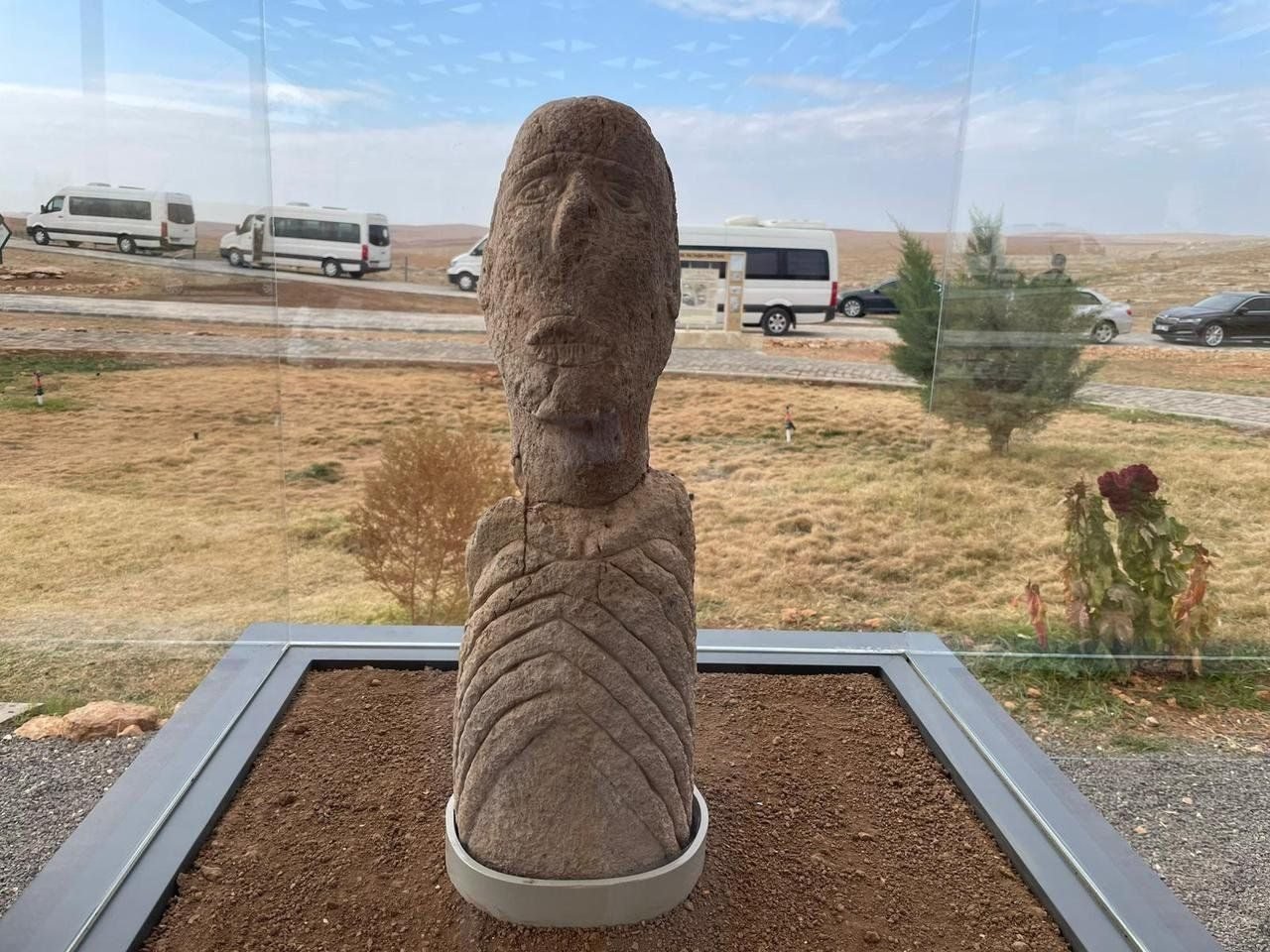
In 2017 the Göbekli Tepe team described something that gave the site a new kind of fame: fragments of human skull bearing deliberate cut marks, deep carved grooves, and in one case a drilled perforation. The excavators read them as skulls that had been defleshed, modified and probably suspended or displayed — a 'skull cult', a way of keeping and showing particular dead.
That finding set a benchmark for the whole region. Wherever human remains turn up at a Taş Tepeler site, the natural question is now: is this the same practice?
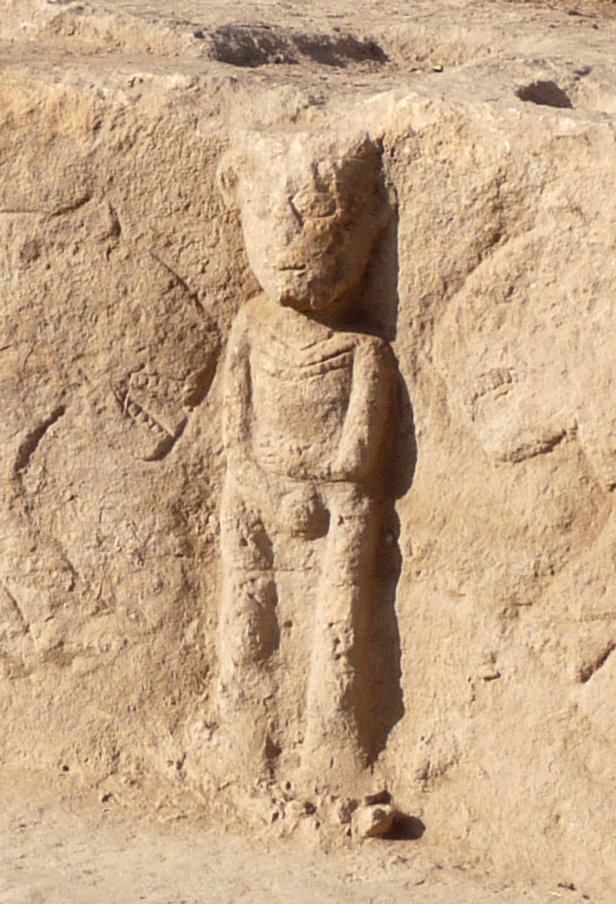
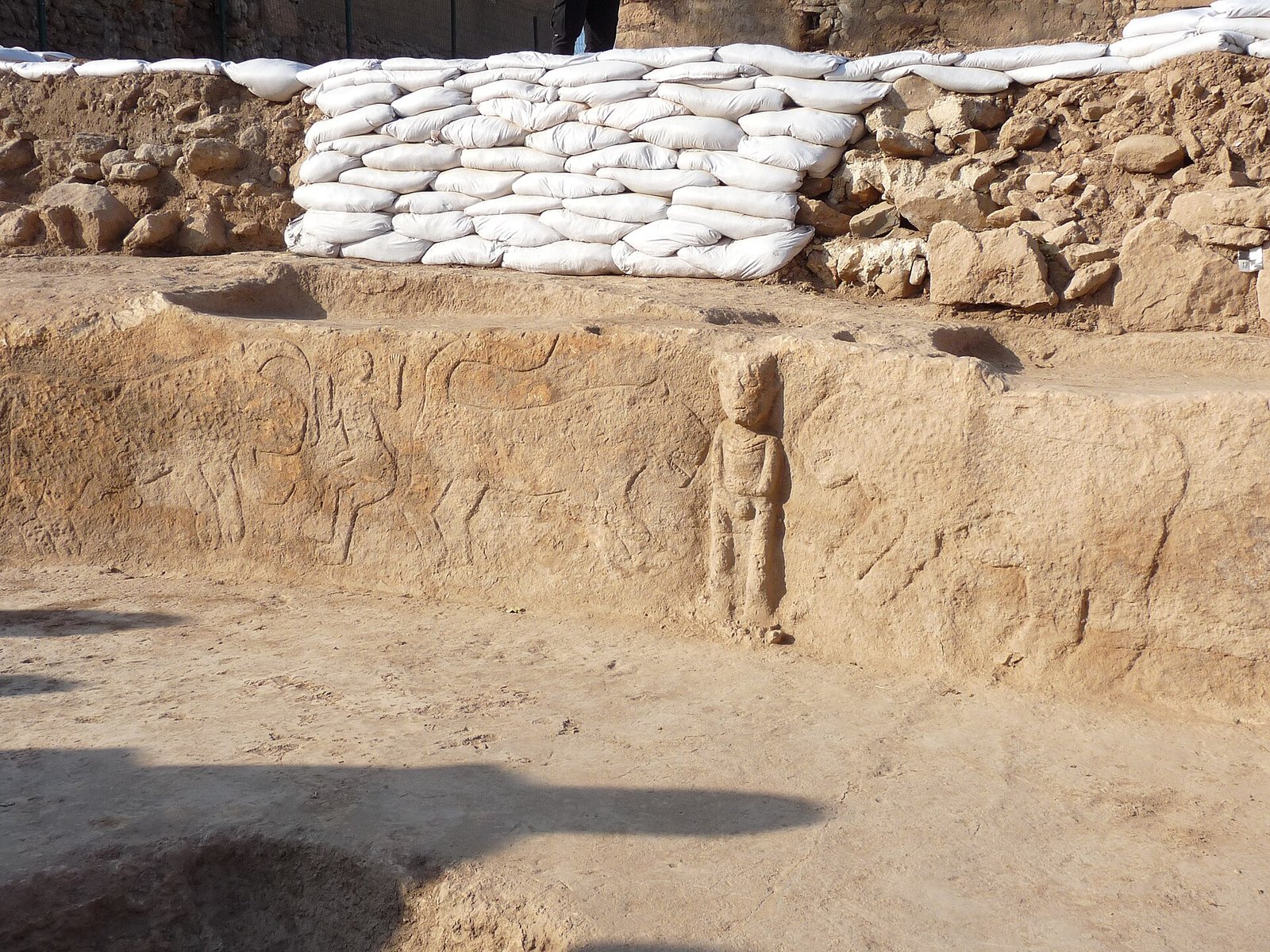
Frantisek Trampota, Sayburç excavation (central figure), CC BY-SA 4.0, via Wikimedia Commons.
What Sayburç's dead show
At Sayburç, the answer is close, but not the same. Dr Eylem Özdoğan, who excavates the site, describes secondary burial: skulls and long bones handled after death, with traces related to defleshing and, in some contexts, burning. The dead here were not simply laid in the ground and left — they were curated, revisited, moved.
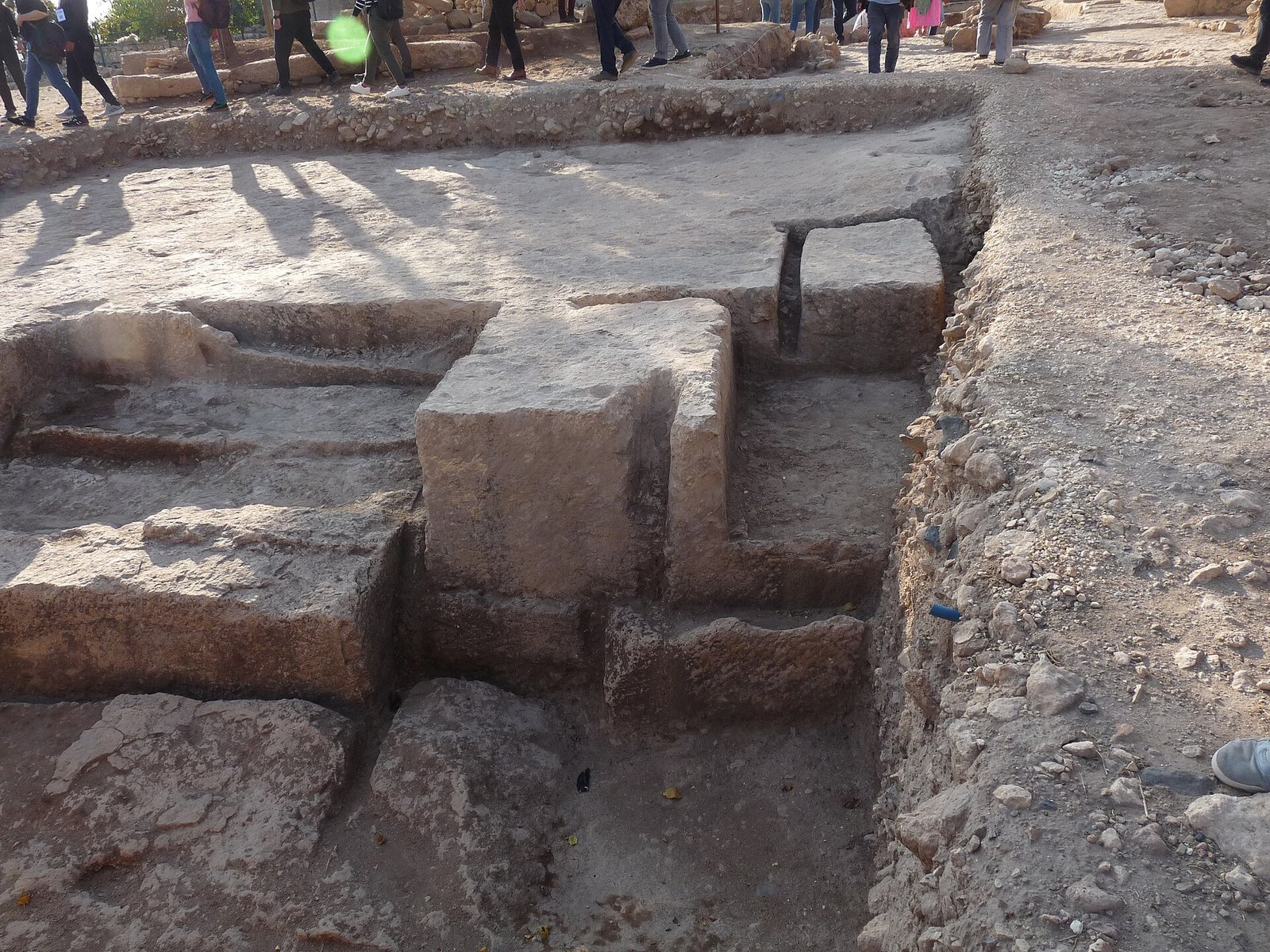
Prof. Necmi Karul adds a specific context from the same site: a wall chamber, or cell, holding skulls and long bones, probably from five or six individuals. So Sayburç clearly belongs to the same regional world in which the dead are worked with after death rather than sealed away.
The precise negative
Here is the contrast worth recording. Özdoğan states that Sayburç has no confirmed evidence of perforated or suspended skulls comparable to the Göbekli Tepe examples. The broad regional theme — postmortem handling of skulls and bones — is present. The specific practice that made Göbekli famous — drilling and hanging a skull — is not attested here, at least not yet.
A recorded negative like this is easy to overlook and valuable. It says the excavator looked for the Göbekli signature and did not find it — which is data, not silence.
Why it matters
It cuts against the temptation to flatten Taş Tepeler into one uniform 'skull cult'. Across these neighbouring sites there is a shared preoccupation with the dead — but expressed in related, not identical, ways. Sayburç curates and defleshes; Göbekli, on current evidence, went a step further and displayed. Same grammar, different sentence.
It also shows how careful excavators build a regional picture: not by assuming every site repeats the headline find, but by noting exactly where the practices overlap and where they diverge.
Same grammar, different sentence
It helps to separate two things a discovery like this can mean. There is the broad regional theme — that across these neighbouring communities the dead were worked with after death rather than simply sealed in the ground — and there is the specific rite, the exact way a given site did that work. Sayburç shares the theme fully: bodies were not laid down and forgotten but curated, revisited and moved, their skulls and bones defleshed and in places burnt.
What Sayburç does not yet show is the particular practice that made Göbekli Tepe famous: a skull defleshed, carved with grooves, drilled and probably hung for display. Özdoğan records that absence deliberately. Sayburç curates and defleshes; Göbekli, on current evidence, went a step further and displayed. Same grammar, a different sentence.
Why a recorded absence is worth having
It is easy to overlook a negative result, but it is exactly how careful excavators build a regional picture. The lazy move is to assume every Taş Tepeler site repeats the headline find; the disciplined one is to note precisely where practices overlap and where they diverge. A stated 'we looked and did not find it here' keeps the map honest.
It also comes with an honest limit built in. Sayburç is a Pre-Pottery Neolithic village in the Şanlıurfa region of southeastern Türkiye, and it is still being actively dug — so 'no hung skulls' means 'not yet attested', not 'proven never to have happened'. The next season could revise it. For now it stands as a genuine contrast between two sites that were plainly preoccupied with the same thing: the dead, and what to do with them.
What is uncertain
'No hung skulls at Sayburç' is a current negative at an actively excavated site — it can change with the next season, and it means not yet attested, not proven never to have happened. The readings of defleshing and burning are provisional interpretations of fragmentary remains.
These positions come from interview and lecture material (Özdoğan on Sayburç's burials; Karul on the skull-and-bone cell) alongside the published record; they may be refined in formal publication. Spoken positions may be refined in print.
Common questions
Did Sayburç have a 'skull cult' like Göbekli Tepe? It shares the broad theme — the dead were curated, defleshed and revisited — but the specific Göbekli practice of drilling and suspending a skull is not attested at Sayburç so far.
How were Sayburç's dead actually treated? Through secondary burial: skulls and long bones handled after death, with traces of defleshing and, in some contexts, burning, plus a wall cell holding the remains of about five or six people.
Why does a 'negative' finding matter? Because the excavator looked for the Göbekli signature and did not find it — that is evidence of real regional variation, not just an absence of information.
Key takeaways
- Göbekli Tepe's 'skull cult' — defleshed, grooved, drilled skulls probably hung or displayed — set a benchmark for the whole region.
- Sayburç clearly handled its dead too: secondary burial, curated and defleshed skulls and long bones, some burnt, and a wall cell holding five or six individuals.
- But its excavator records a careful negative: no confirmed hung or perforated skulls of the Göbekli kind, at least not yet.
- That recorded absence is data, not silence — the shared preoccupation with the dead was expressed in related, not identical, ways.
Sources
- Science Advances (Gresky, Haelm & Clare 2017) — Modified human crania from Göbekli Tepe: a new form of Neolithic skull cult
- Antiquity 96(390), 2022 — Eylem Özdoğan, 'The Sayburç reliefs: a narrative scene from the Neolithic' (Cambridge Core)
This article is written from the primary literature and excavators' reports cited above. Interpretations are attributed; uncertainties are stated in the text.