The find
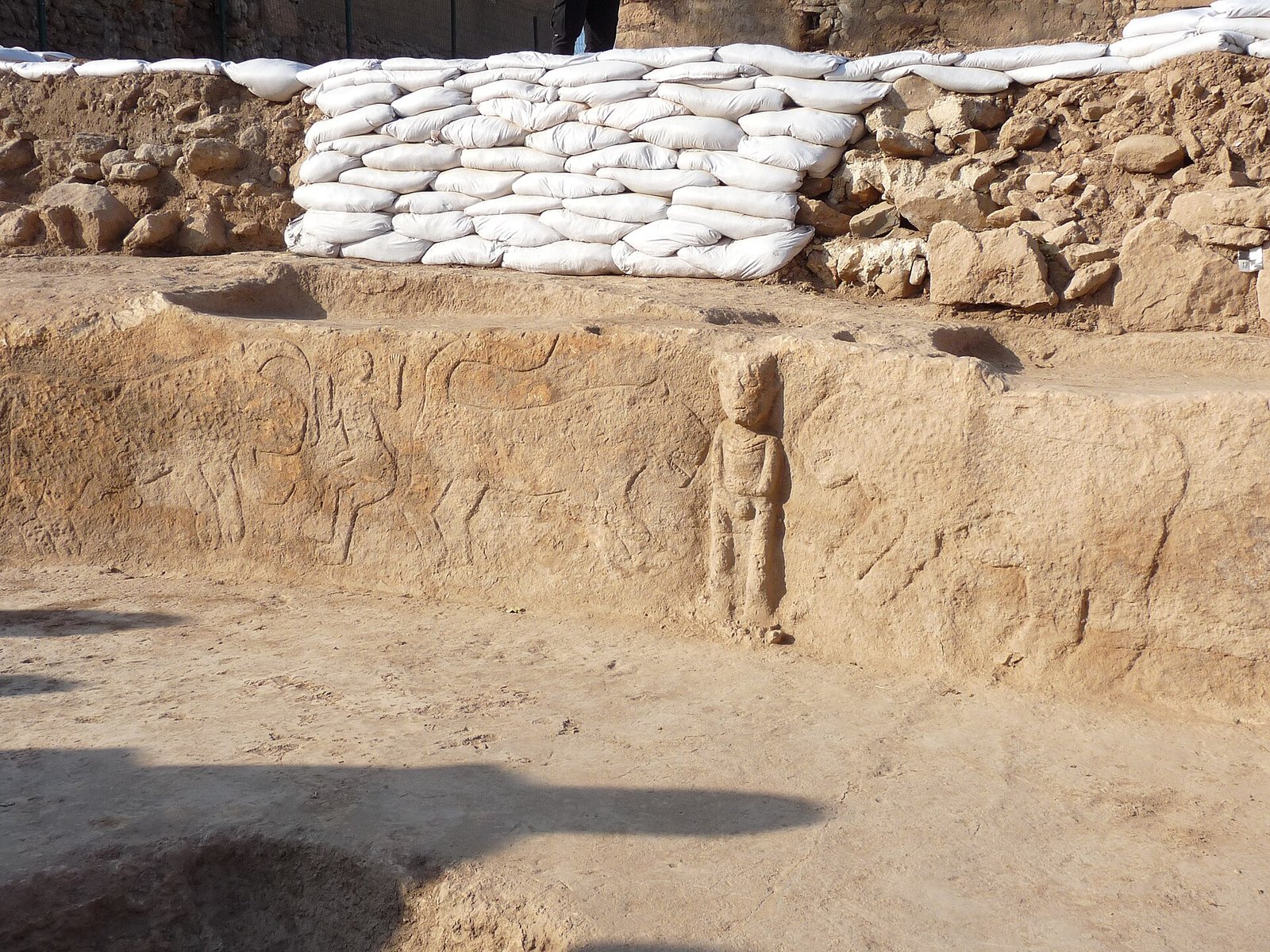
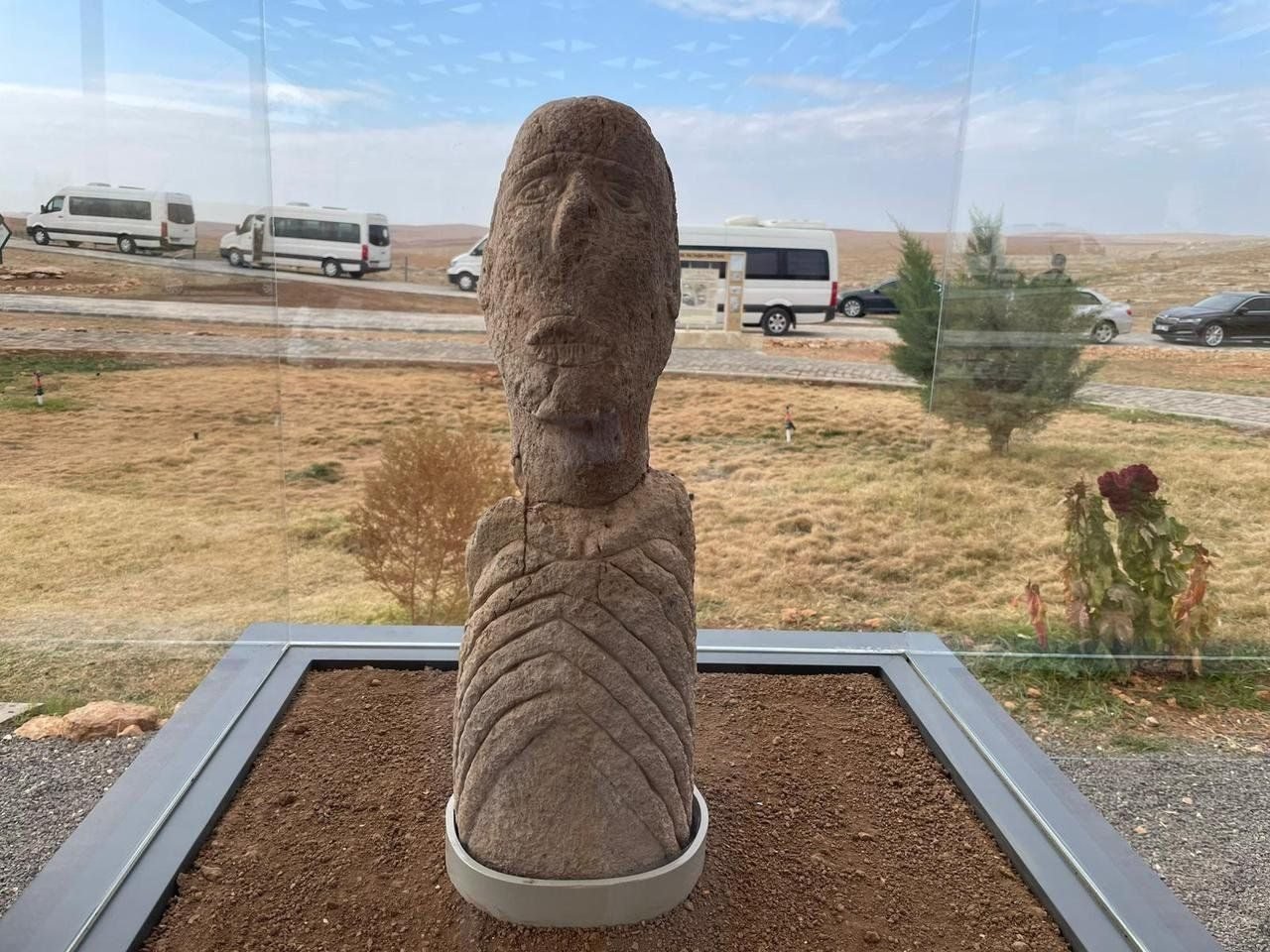
A statue uncovered at Sayburç in 2025 shows a human figure with rib markings, apparent shell-inlaid eyes, and — most strikingly — a mouth that appears deliberately stitched or sewn shut. It was found in a domestic setting, among burials, and is read as an image of the dead.
The figure gives Sayburç a clearer place in the region's symbolic network: this is not a hilltop sanctuary but a lived-in settlement, and its people were carving the dead too.
Why it matters
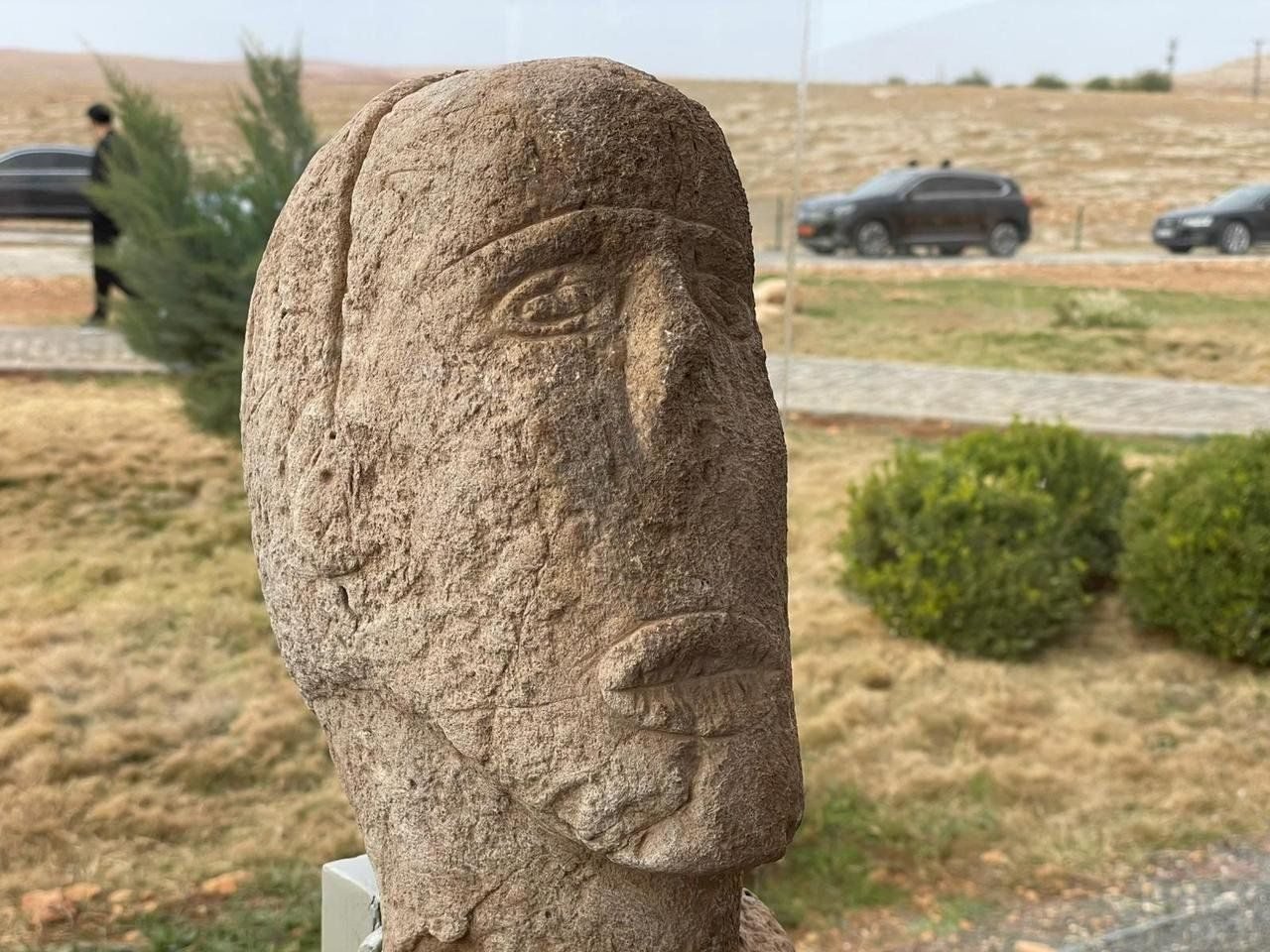
The sealed mouth is the point. Across this world, the head and face were treated as the seat of the person, and the dead were handled with elaborate care. A mouth deliberately sewn shut reads as a symbolic act — silencing, protecting, or marking the dead in some way we can't yet name.
It lets researchers reassess Neolithic ideas about death from a new angle — not only through buried bodies and worked skulls, but through a made image of a dead person. What exactly it meant remains open.
Where it fits
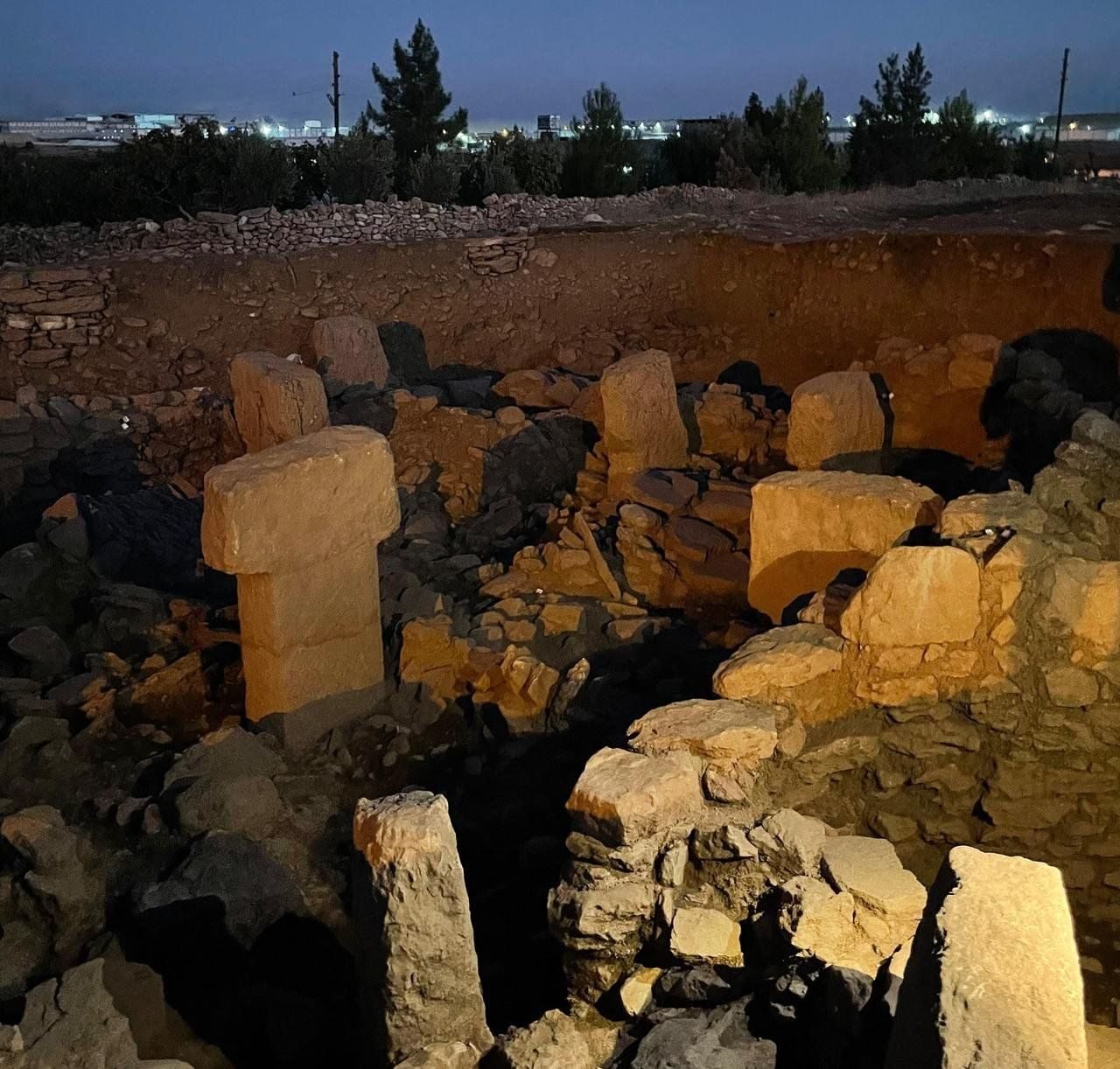
Sayburç matters because it is a lived-in settlement, not a hilltop sanctuary — and the statue was found in a domestic area, among burials, rather than in a special enclosure. That setting is part of the argument: the community's ideas about the dead were carried in an object kept close to where people lived, alongside the actual graves.
The figure also joins a wider run of Taş Tepeler human sculpture — Karahan Tepe's faced pillar and seated statues, Göbekli Tepe's wall-set figure, Sefertepe's carved faces. Each handles the human head and face differently, and Sayburç's contribution is a face that has been deliberately closed up: ribs marked on the body, shell-like eyes, and the sewn mouth.
A face deliberately closed up
What gives the statue its power is a single choice by its maker: the mouth is not simply left out or stylised but rendered with cross-hatched lines that read as stitching, as if sewn shut. Across the Neolithic world of this region the head and face were treated as the seat of the person, and the dead were handled with elaborate care. Against that background a sealed mouth looks like a deliberate statement rather than a quirk of style — a silencing, a protecting, or a marking of the dead that we can sense but not yet translate.
The rest of the figure carries the same funerary charge. Ribs are marked down the body, the eyes appear inlaid with shell, and the whole object was found among burials. Read together, the details point one way: this is an image of the dead, made and kept by the living.
Why a lived-in settlement changes the picture
Sayburç is a Pre-Pottery Neolithic village in the Şanlıurfa region of southeastern Türkiye — a lived-in settlement, not a hilltop sanctuary — and that setting is part of the argument. The statue turned up in a damaged domestic area right beside a large public building with T-shaped pillars, among the actual graves. So the community's ideas about death were not quarantined in a special enclosure; they were carried in an object kept close to home.
The figure also joins a wider run of Taş Tepeler human sculpture: Karahan Tepe's faced pillar and seated statues, Göbekli Tepe's wall-set figure, Sefertepe's carved faces. Each handles the human head differently, and Sayburç's contribution is distinctive — a face that has been deliberately closed up. What the sealed mouth was meant to do is left honestly open, but it widens the ways we can study how these people pictured death: not only through bodies and worked skulls, but through a made image of a dead person.
What is uncertain
The description of the mouth as stitched or sewn shut rests on reading cross-hatched carved lines as stitching — a vivid interpretation, but the marks could render a beard, a covering, or a stylised mouth rather than literal sewing. The 'shell-inlaid eyes' are likewise an identification that full study may confirm or revise.
That the statue represents the dead is inference from its findspot among burials and from the closed mouth, not a certainty; and 'reshaping our understanding of death rituals' is a press framing around a single object reported ahead of publication. What the sealed mouth was meant to do — silence, protect, or mark — is explicitly left open.
Common questions
What is the 'stitched-mouth statue'? A carved human figure found at Sayburç in 2025, with rib markings, apparent shell-inlaid eyes, and a mouth rendered with cross-hatched lines that read as stitching — as if sewn shut.
What might the sewn mouth mean? Across this world the head and face were treated as the seat of the person; a deliberately closed mouth reads as a symbolic act — silencing, protecting or marking the dead — though what exactly it meant remains open.
Why does its findspot matter? It came from a domestic area among burials rather than a special enclosure, so the community's ideas about the dead were carried in an object kept close to where people actually lived.
Key takeaways
- A statue from Sayburç shows a human figure with rib markings, shell-like eyes and, most strikingly, a mouth that appears sewn shut.
- Found in a domestic area among burials, it is read as an image of the dead — carved in a lived-in settlement, not a hilltop sanctuary.
- The sealed mouth reads as a symbolic act — silencing, protecting or marking the dead in a way we cannot yet name.
- It lets researchers approach Neolithic death from a new angle: a made image of a dead person, alongside the buried bodies and worked skulls.
Sources
- Türkiye Today — Stitched-mouth Neolithic statue from Sayburç reshapes understanding of death rituals
- Anatolian Archaeology — Mysterious 'death mask' sculpture unveiled in southeastern Türkiye
This article is written from the primary literature and excavators' reports cited above. Interpretations are attributed; uncertainties are stated in the text.