What was found
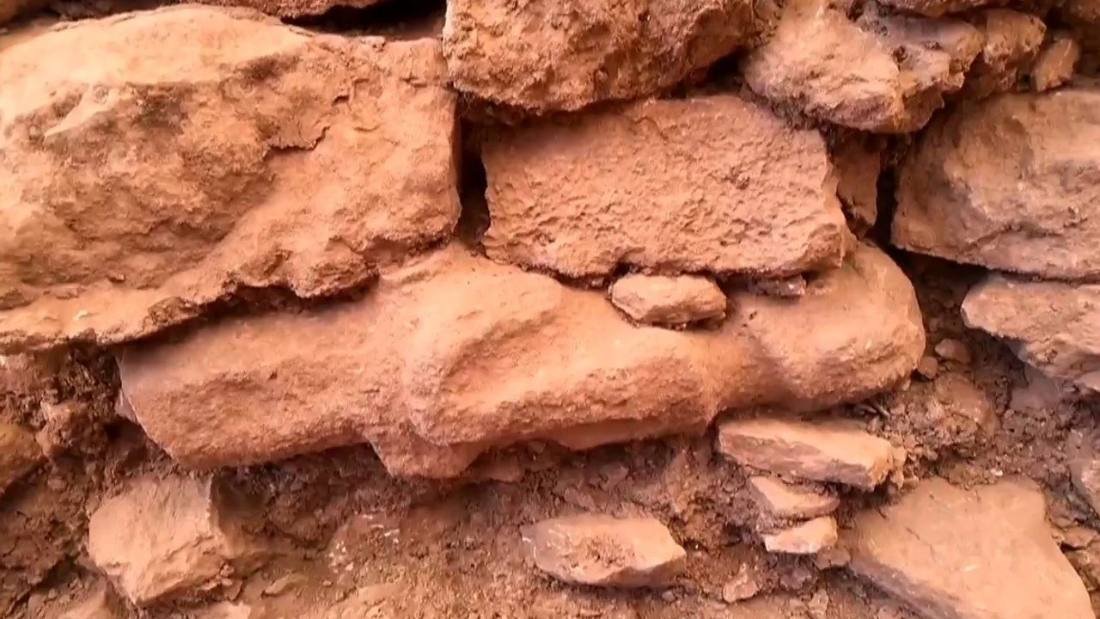
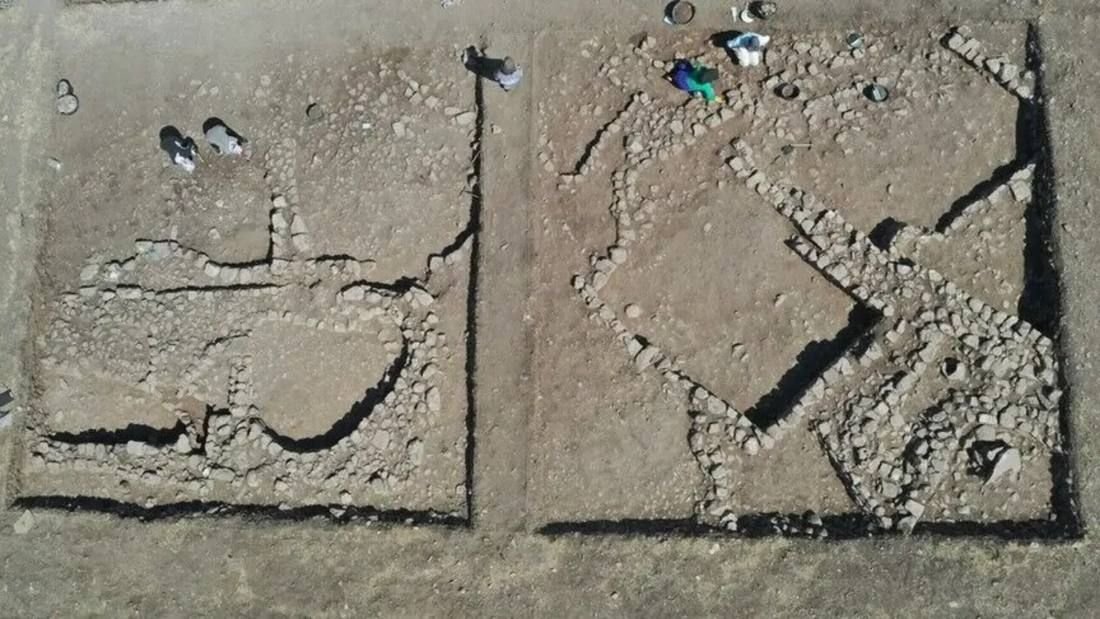
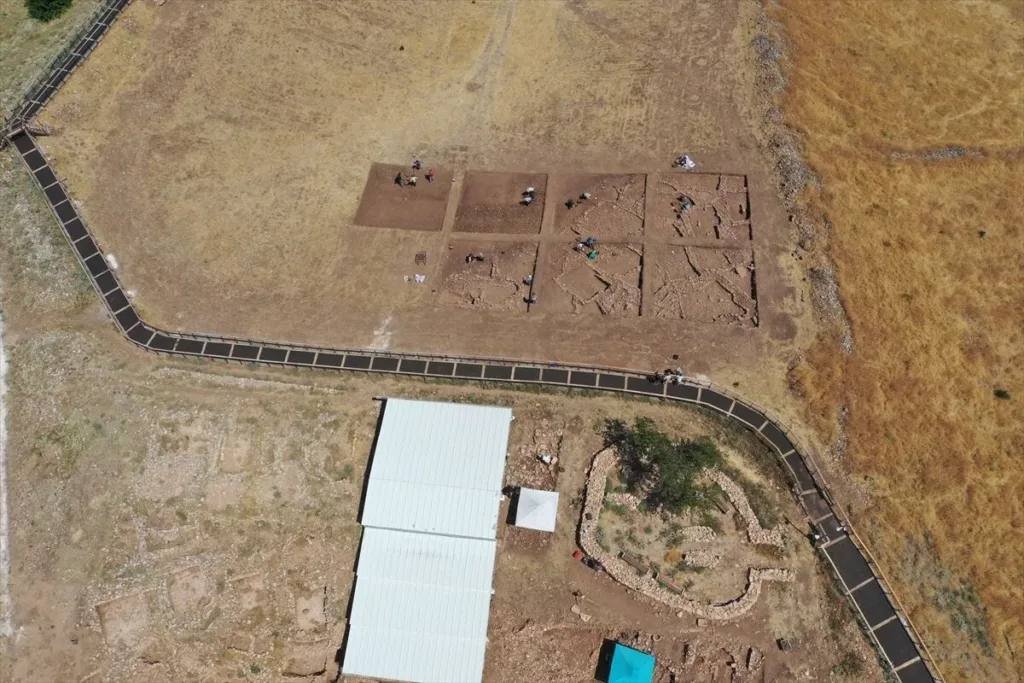
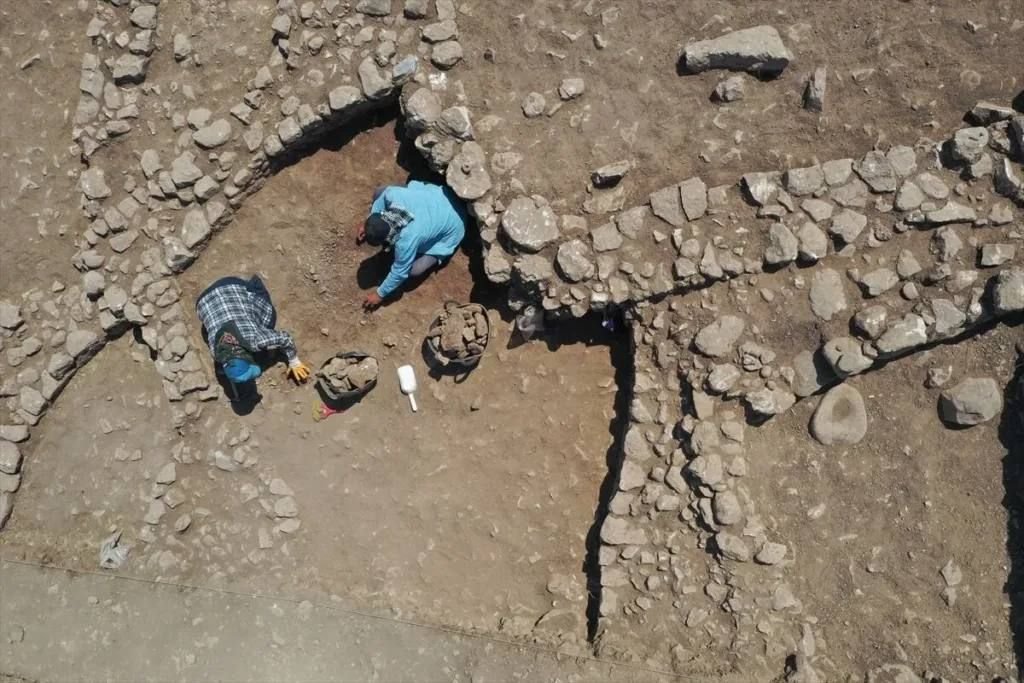
On the eastern and southern slopes of the Göbekli Tepe mound, excavators have exposed rectangular-planned buildings — a different shape from the great round enclosures with their T-shaped pillars. They belong to the site's later phase and sit just below the modern surface, where erosion had already stripped the tops of the walls, so plans and in places floor levels came up quickly.
These structures hold fewer standing pillars than the monumental buildings, and their layout looks more like somewhere people lived than somewhere they only gathered. Excavation director Prof. Necmi Karul put it carefully: 'Our first impression is that they were used as residences' — while stressing that walls alone cannot prove what a building was for.
Why it is a big question
For most of its modern life, Göbekli Tepe has been read as a gathering place, not a village — a sanctuary people travelled to and then left. The apparent absence of ordinary houses was central to that picture.
Rectangular buildings that look domestic complicate it. If floor analysis confirms everyday activity — cooking, tools, refuse — then ritual architecture and ordinary life may have stood side by side at Göbekli Tepe, and the old sharp line between 'temple' and 'home' softens.
This is the same debate our own page on whether people lived at Göbekli Tepe lays out. The new buildings are the strongest physical prompt yet to revisit it.
Why houses would matter here
For most of its modern life Göbekli Tepe has been read as a gathering place rather than a village — a sanctuary people travelled to and then left. The apparent absence of ordinary houses was central to that picture, and it is exactly what these rectangular buildings put in question.
The buildings sit just below the modern surface on the eastern and southern slopes, where erosion had already stripped the tops of the walls, so plans and in places floor levels came up quickly. They hold fewer standing pillars than the monumental enclosures, and their layout looks more like somewhere people lived than somewhere they only gathered. If that holds, ritual architecture and everyday life may have stood side by side at Göbekli Tepe, and the sharp old line between 'temple' and 'home' begins to soften.
A hint, not a verdict
Karul has been careful about how far to push it. 'Our first impression is that they were used as residences,' he said — while stressing that walls alone cannot prove what a building was for. Everything hinges on the floor samples, which the team is still analysing: confirm cooking, tools and refuse, and the domestic reading strengthens; without that, a rectangular plan remains only a hint.
The new zone was opened over roughly 1,500 square metres, after olive trees growing on the plot were relocated. Prof. Barbara Horejs of the Austrian Archaeological Institute, whose team ran the geophysical survey, said the work will continue the following year to refine the data and guide excavation strategy. For now this is best read as a strong lead in an active investigation rather than a closed case.
If the reading holds, it reshapes the old picture of Göbekli Tepe as a place people only visited, and nudges it toward somewhere people also lived.
What is uncertain
Everything hinges on the floor samples, which the team is still analysing. Karul is explicit that a rectangular plan is a hint, not a verdict. Prof. Barbara Horejs of the Austrian Archaeological Institute, whose team ran the geophysical survey, said the work 'will continue next year to refine the data and guide excavation strategy.'
Treat this as a promising lead in an active investigation, not a settled reversal of the sanctuary reading.
Common questions
Did people live at Göbekli Tepe? Newly found rectangular buildings look domestic, and director Necmi Karul's first impression is that they were residences. But he stresses that walls alone cannot prove what a building was for — the floor samples are still being analysed.
How are these buildings different from the famous enclosures? They are rectangular rather than round, hold far fewer T-shaped pillars, belong to the site's later phase, and have interiors that look more suited to everyday domestic life than to communal gathering.
Does this overturn the idea of Göbekli Tepe as a sanctuary? Not yet. It is a promising lead in an active investigation, not a settled reversal — everything depends on whether floor analysis confirms everyday activity like cooking, tools and refuse.
Key takeaways
- Newly exposed rectangular buildings on Göbekli Tepe's eastern and southern slopes look more like homes than the great round enclosures do.
- They hold fewer standing pillars and belong to the site's later phase; director Necmi Karul's 'first impression is that they were used as residences.'
- If confirmed, they would soften the old sharp line between 'temple' and 'home' — ritual architecture and everyday life side by side.
- Everything hinges on floor samples the team is still analysing; a rectangular plan is a hint, not a verdict.
Sources
- Türkiye Today — Göbeklitepe reveals traces of rectangular dwellings (8 October 2025)
- Arkeonews — 10,000-year-old rectangular buildings unearthed at Göbeklitepe may have been homes
This article is written from the primary literature and excavators' reports cited above. Interpretations are attributed; uncertainties are stated in the text.