The ceremony
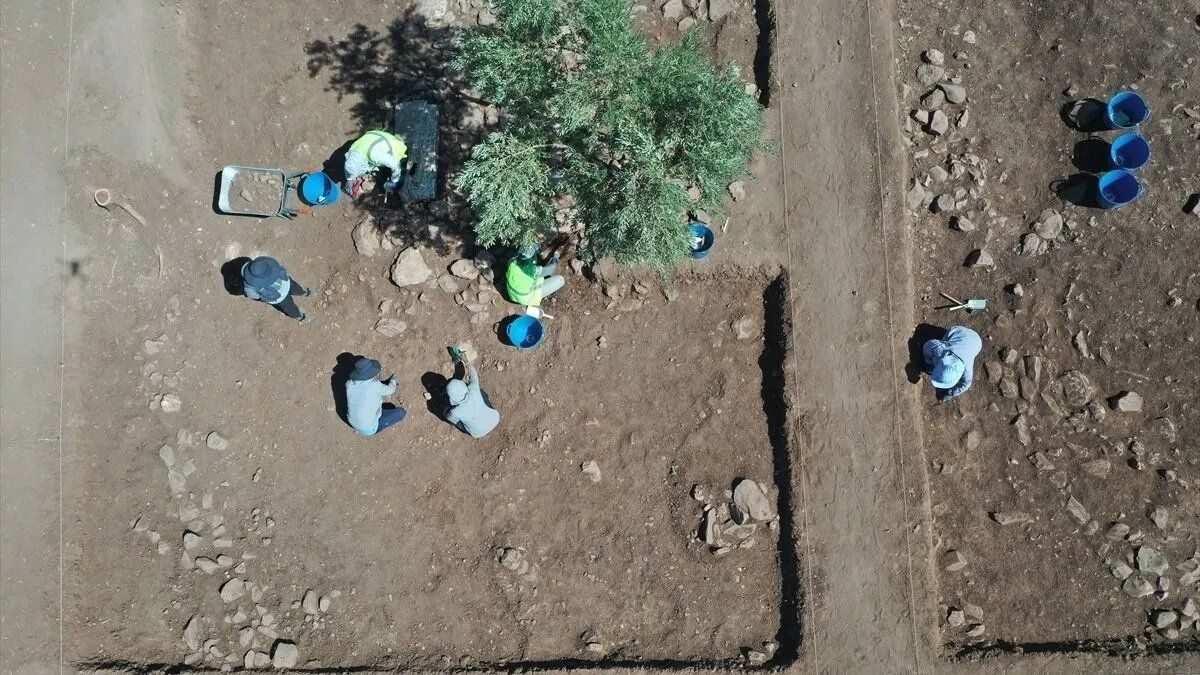
In September 2025, excavations formally began at Ayanlar Höyük, west of Şanlıurfa, with a symbolic first strike of the shovel by Türkiye's Minister of Culture and Tourism, Mehmet Nuri Ersoy, and Her Imperial Highness Princess Akiko of Mikasa of Japan. The event brought one of the Taş Tepeler program's developing sites into the spotlight.
The hoe her grandfather used
The detail that carries the story is a garden tool.
The ceremonial hoe Princess Akiko used to break ground at Ayanlar was the same hoe her grandfather held at the groundbreaking of Kaman-Kalehöyük, the long-running excavation conducted by the Japanese Institute of Anatolian Archaeology in central Türkiye.
Her grandfather was Prince Takahito, Prince Mikasa — younger brother of Emperor Hirohito, and a serious scholar of the ancient Near East rather than a ceremonial patron. He studied Semitic languages and Orientalism, founded and led Japanese societies for Near Eastern studies, and spent decades building the academic relationship between Japan and the archaeology of Anatolia and the Levant.
So the same object has now opened two digs, two generations and roughly forty years apart, in the same country. That is not a photo opportunity. It is a deliberate piece of continuity, and it says something about how long Japan has been serious about this region.
Who is actually behind it
The Ayanlar excavation is carried out with the full support of the Chiba Institute of Technology, which makes this a university-backed research commitment rather than a diplomatic gesture.
Princess Akiko is honorary president of the Prince Mikasa Foundation, established in 2017 to support the Japanese Institute of Anatolian Archaeology — the institution her grandfather's work created the conditions for.
The wider Taş Tepeler programme now runs with 36 academic institutions: 15 Turkish and 21 from abroad, with 219 researchers across all twelve sites. Japan is one of the larger foreign contributors, and it also works at Harbetsuvan Tepesi, where a Turkish–Japanese team has excavated since 2022.
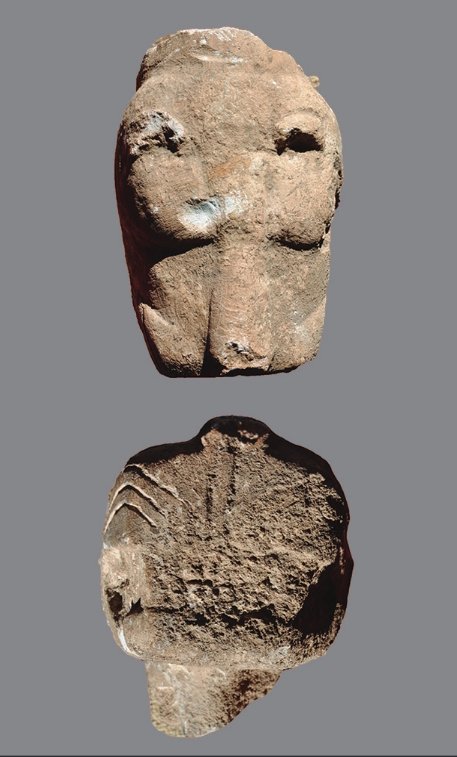
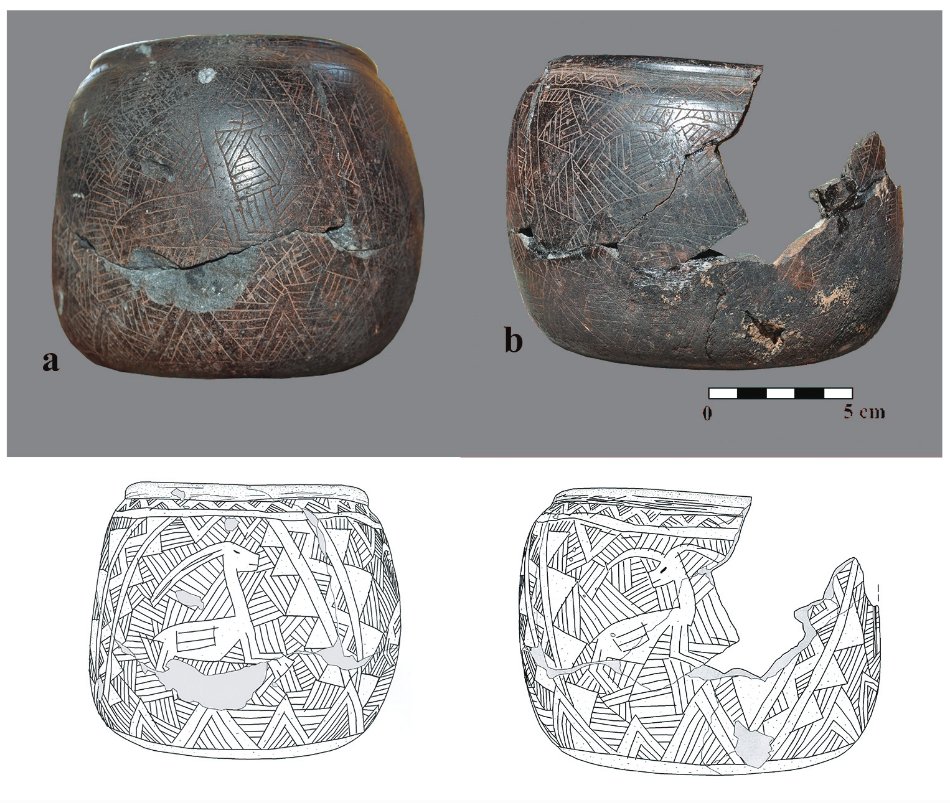
2017 Bahattin Celik, Fragment of sculpturedepicting the head of a leopard from Ayanlar Höyük, CC BY-SA 4.0, via Wikimedia Commons.
A Türkiye–Japan partnership
The dig marks a new international partnership, extending a cultural relationship that began nearly forty years ago when Japanese archaeologists started long-term excavations at Kalehöyük in Kırşehir in 1985. During her visit, Princess Akiko also toured the Harbetsuvan excavation area, Karahan Tepe, and the Şanlıurfa Archaeology Museum.
For Ayanlar Höyük — until now one of the quieter, less-published sites in the network — sustained excavation and an international team could quickly change how much we know.
Why it matters
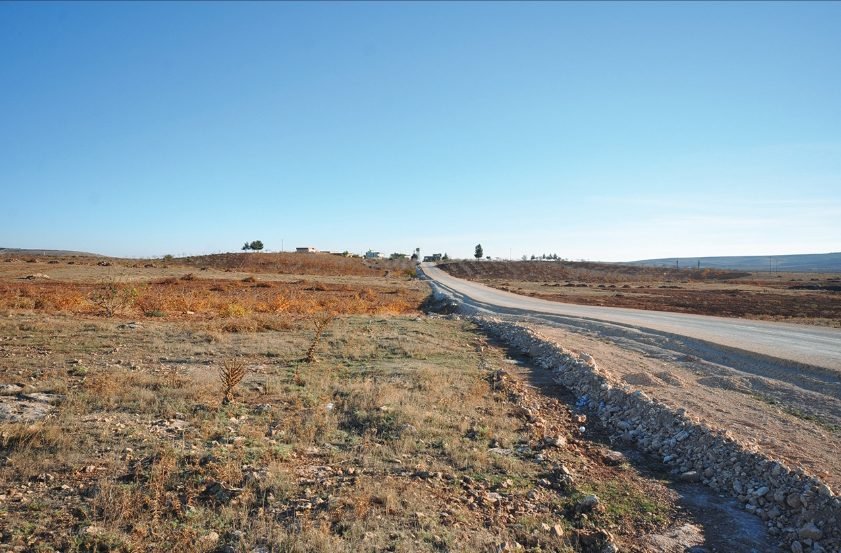
Ayanlar sits on the western edge of the Taş Tepeler world, and pushing serious excavation into that ground helps map how far these early Neolithic communities really spread. It's a reminder that Taş Tepeler is not a finished story but an actively growing one — with new hands, new partners, and new trenches opening each season.
A forty-year relationship, in one tool
The detail that carries the story is a garden tool. The ceremonial hoe Princess Akiko used to break ground at Ayanlar was the same hoe her grandfather held at the groundbreaking of Kaman-Kalehöyük, the long-running Japanese excavation in central Türkiye. The same object has now opened two digs, two generations and roughly forty years apart, in the same country.
Her grandfather was Prince Takahito, Prince Mikasa — a serious scholar of the ancient Near East rather than a ceremonial patron, who spent decades building the academic relationship between Japan and the archaeology of Anatolia and the Levant. Princess Akiko is honorary president of the Prince Mikasa Foundation, established in 2017 to support the institute his work made possible.
What Ayanlar could become
The Ayanlar excavation is carried out with the full support of the Chiba Institute of Technology, which makes it a university-backed research commitment rather than a diplomatic gesture. Japan is one of the larger foreign contributors to Taş Tepeler and also works at Harbetsuvan Tepesi, where a Turkish–Japanese team has excavated since 2022.
For Ayanlar Höyük — until now one of the quieter, less-published sites in the network, on the western edge of the Taş Tepeler world — sustained excavation and an international team could quickly change how much we know. Pushing serious work into that ground helps map how far these early Neolithic communities really spread.
What is uncertain
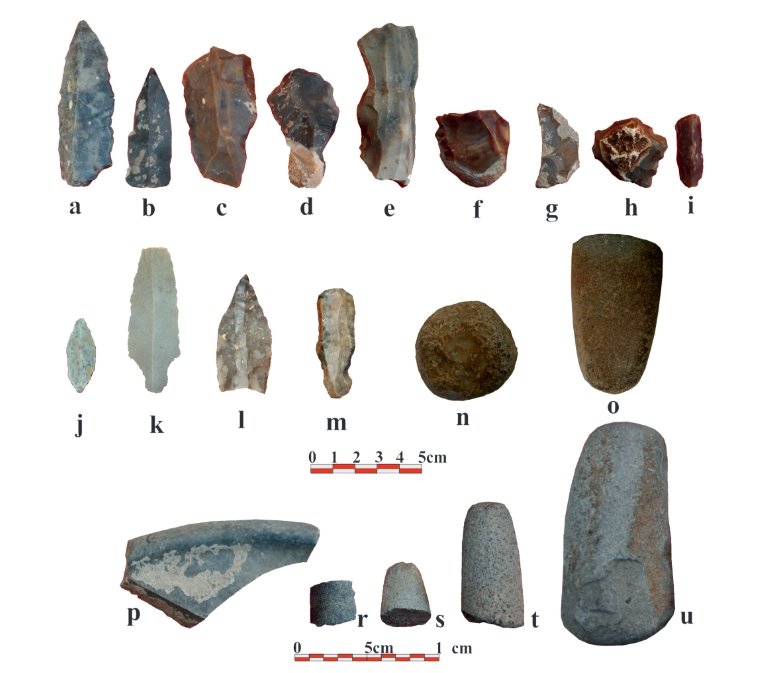
This is a groundbreaking, not a season of results: the ceremony marks the start of sustained work at Ayanlar Höyük, so what the site will actually yield — its date range, plan and place within the network — is still to be dug. The finds pictured here are earlier survey and museum material, not products of the new excavation.
The institutional figures (36 institutions, 219 researchers, twelve sites) come from programme announcements and shift year to year as teams join or projects close; read them as a snapshot of the 2025 season rather than fixed totals.
Common questions
What happened at Ayanlar Höyük? In September 2025 Princess Akiko of Mikasa and Türkiye's culture minister formally opened excavations, launching a new Türkiye–Japan partnership.
Why is the hoe significant? It is the same tool her grandfather, Prince Mikasa, used to break ground at Kaman-Kalehöyük — a deliberate link between two Japanese-led digs a generation apart.
Who is running the excavation? It is carried out with the full support of the Chiba Institute of Technology, making it a university-backed research project.
Key takeaways
- Princess Akiko of Mikasa and Türkiye's culture minister broke ground at Ayanlar Höyük in September 2025.
- She used the same ceremonial hoe her grandfather held at Kaman-Kalehöyük — two digs, forty years apart.
- The dig is backed by the Chiba Institute of Technology — a research commitment, not a diplomatic gesture.
- Taş Tepeler now runs with 36 institutions and 219 researchers across twelve sites.
Sources
- Anatolian Archaeology — Japanese Princess Akiko launches excavations at Ayanlar Höyük
- Şanlıurfa Valiliği (Governorship of Şanlıurfa) — official visit notice
This article is written from the primary literature and excavators' reports cited above. Interpretations are attributed; uncertainties are stated in the text.