A new area, on a side never dug before
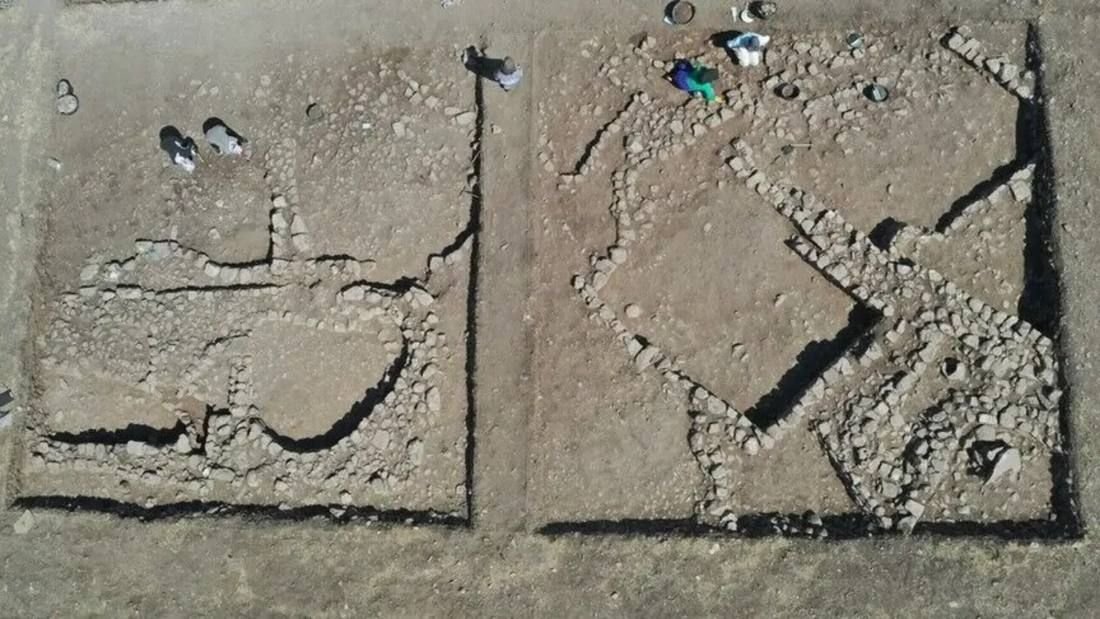
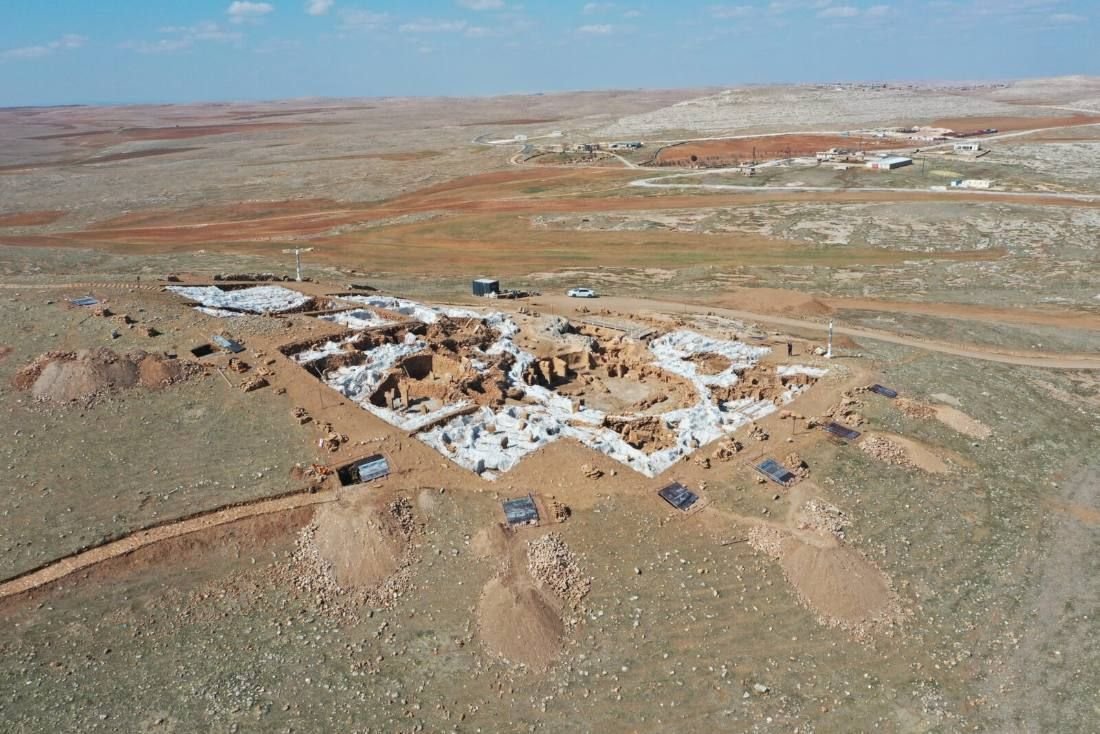
For most of Göbekli Tepe's modern excavation, work has concentrated on the southern and western parts of the mound. In the 2026 season, for the first time, a team opened ground on the northern side — an area roughly 80 by 70 metres.
Before a trowel went in, surface survey and geomagnetic measurements mapped what lies buried there. The readings point to a mix of large public buildings alongside rectangular structures and huts — the same pairing of the monumental and the everyday that is reshaping how the whole site is read. Work continues in parallel in the established GT1 and GT2 zones, where rectangular buildings of the 8th millennium BCE (the site's later phase) are being exposed.
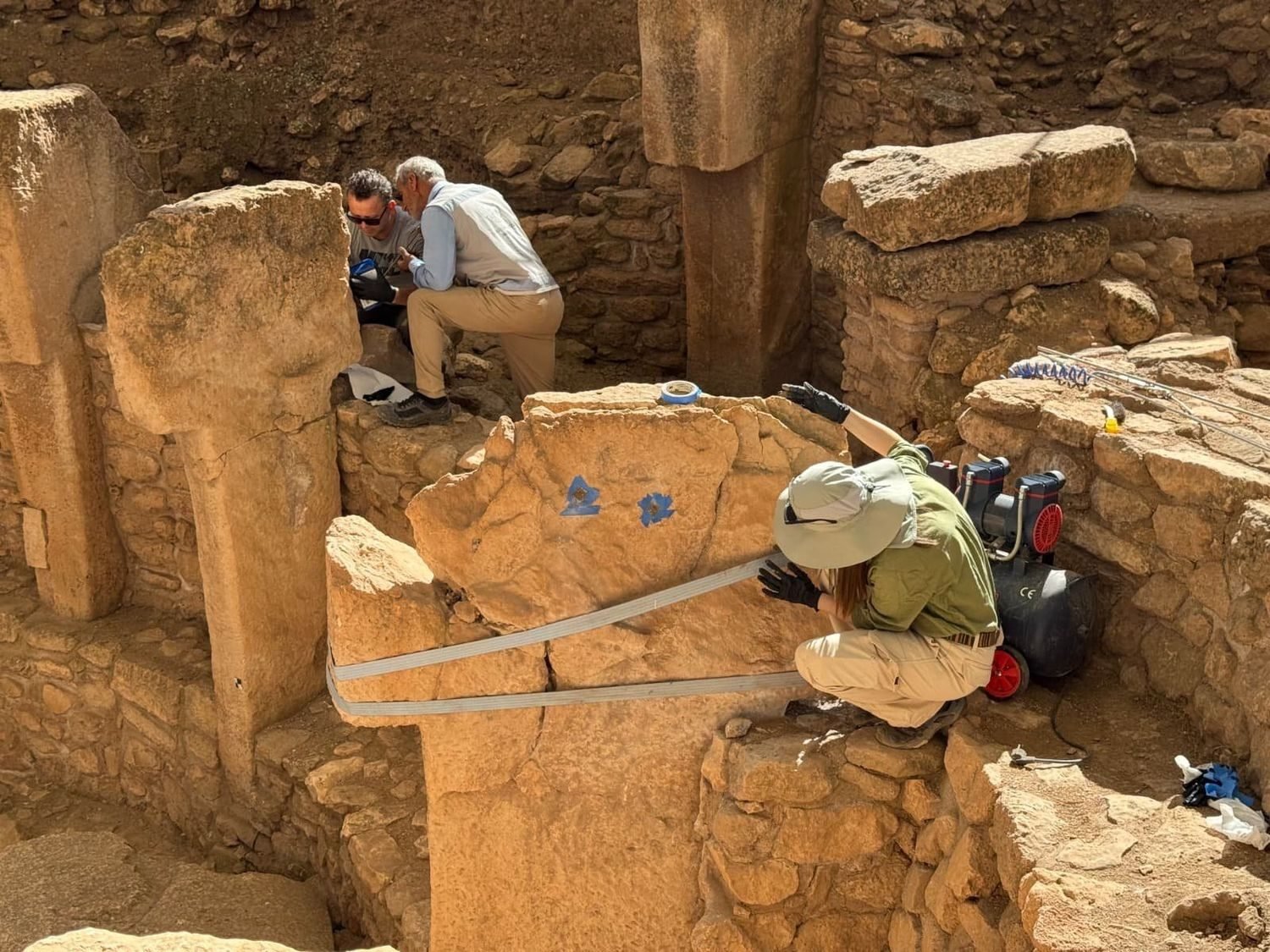
Steel cables on the oldest monuments
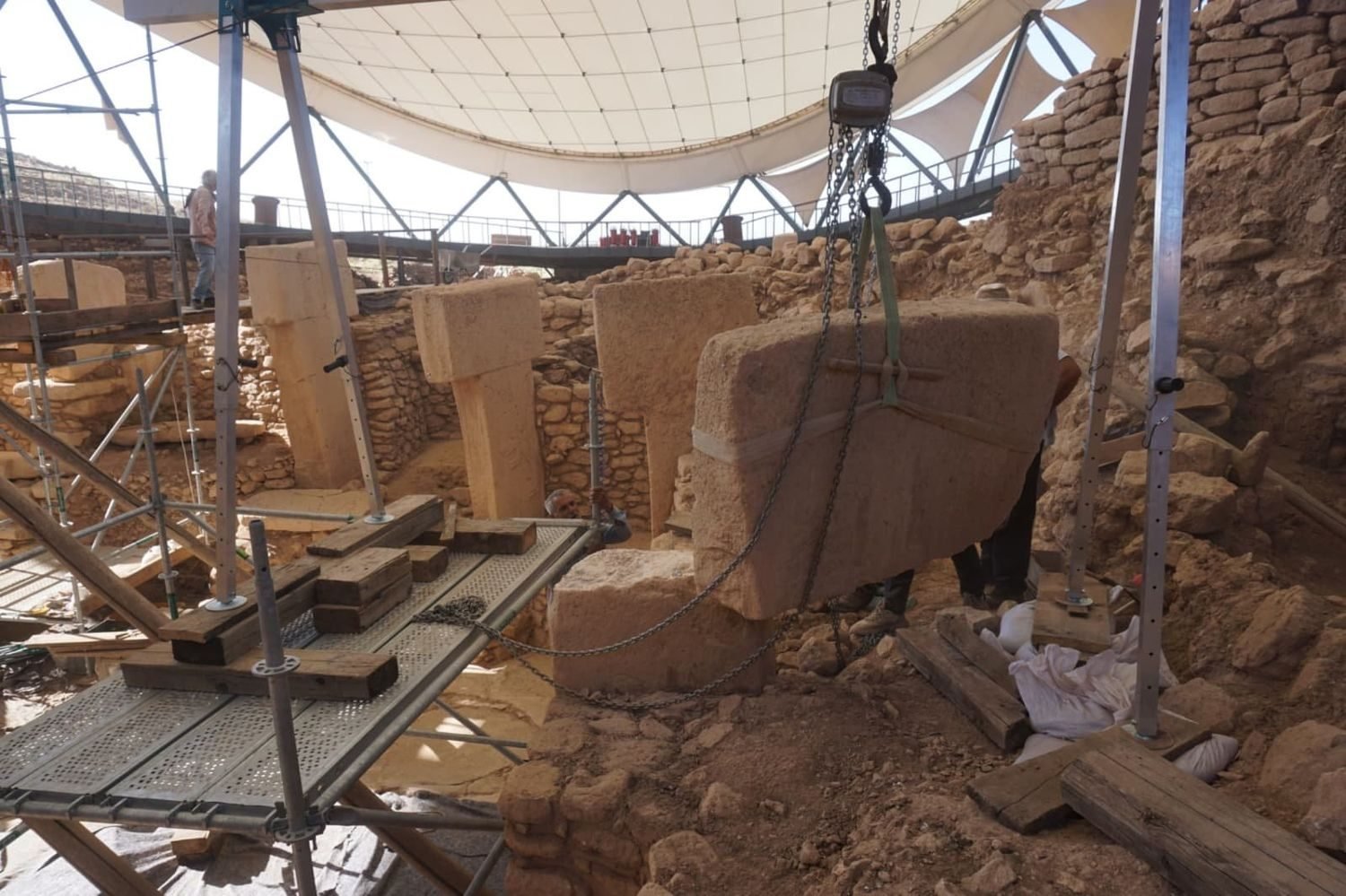
Alongside the digging, 2026 is a conservation year. In Enclosure C, the reinforcement begun in 2025 continues, and fragments from the surface of a re-raised pillar are being set back in their original places.
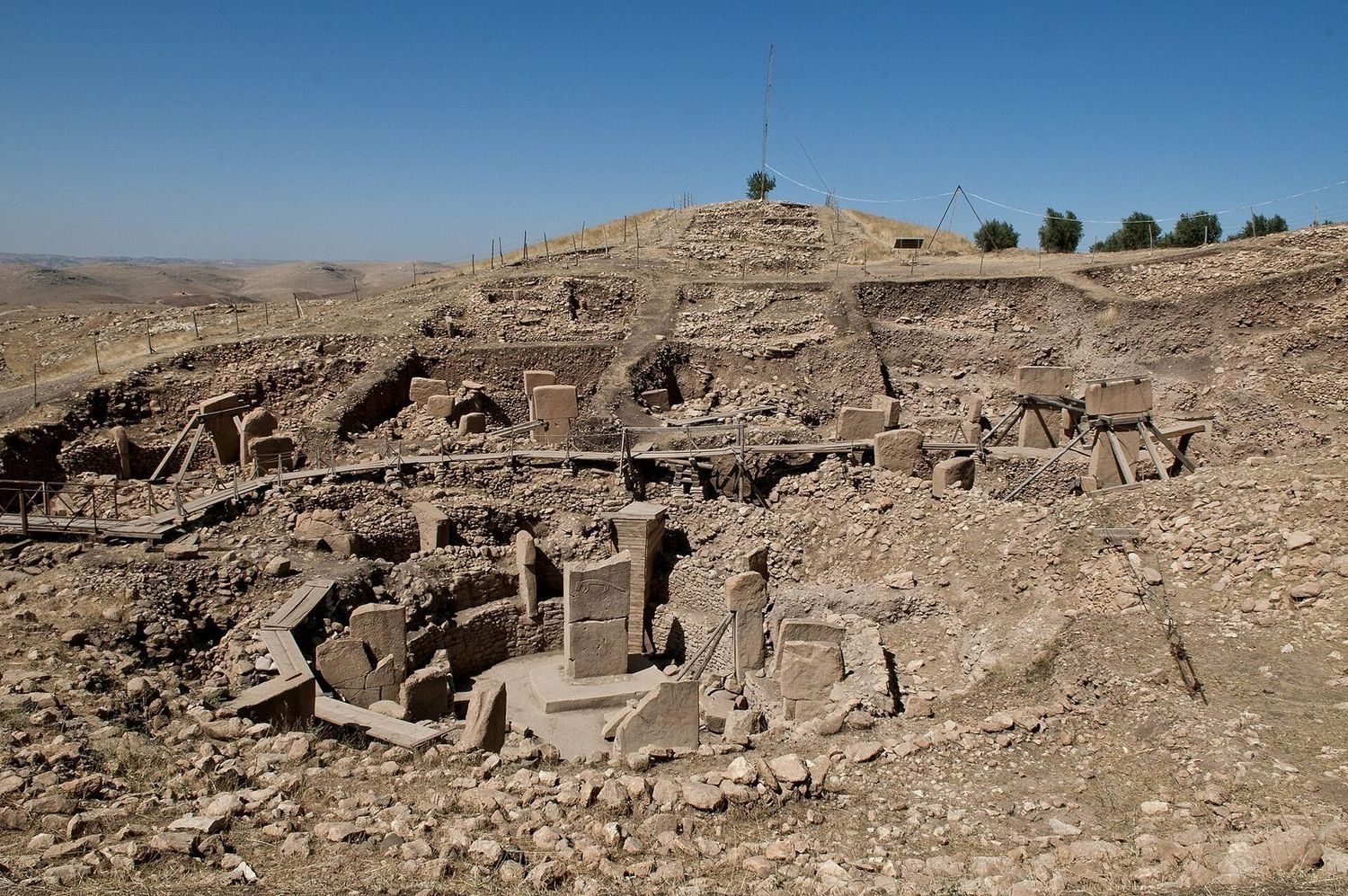
In Enclosure D — the most famous of the enclosures — the walls have been stabilised, and the ground connections of the two central pillars reinforced with steel cables to make them safer in an earthquake. This is a seismically active region, and the central pillars are among the most important carved monuments anywhere in the Neolithic world. Cabling them is unglamorous, and exactly the right thing to do.
Culture and Tourism Minister Mehmet Nuri Ersoy framed the season as excavation and preservation advancing together — 'a holistic approach' — as research expands to new ground.
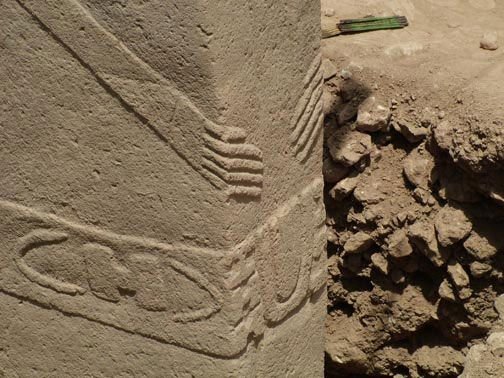
Why it matters
Opening the north side is not a tidy add-on. If large public buildings really do sit there, the monumental heart of Göbekli Tepe is bigger and more spread out than the excavated core suggests — and the presence of huts among them keeps pressing the question of whether people also lived on the hill.
It is the clearest sign yet that, after decades of work, Göbekli Tepe is still only partly uncovered.
Digging and defending at the same time
The 2026 season is as much about protecting Göbekli Tepe as expanding it. In Enclosure C, the reinforcement begun in 2025 continued, and fragments from the surface of a re-raised pillar were set back into their original places. In Enclosure D, the most famous of the buildings, the walls were stabilised and the ground connections of the two central pillars anchored with steel cables.
This is unglamorous work, and exactly the right kind. The Şanlıurfa region sits in seismically active country, and the central pillars are irreplaceable carved monuments. Culture and Tourism Minister Mehmet Nuri Ersoy framed the season as excavation and preservation advancing together — 'a holistic approach' — as research reaches new ground.
What the north side could change
Opening the north is not a tidy addition to the map. Alongside the new 80-by-70-metre area, work continued in the established GT1 and GT2 zones, where rectangular buildings of the 8th millennium BCE — the site's later phase — are being exposed. The geomagnetic readings from the north point to the same pairing: large public buildings sitting among rectangular structures and huts.
If those public buildings are confirmed, the monumental heart of Göbekli Tepe is larger and more spread out than the dug core has suggested. And the presence of huts among them keeps pressing the oldest question about the site — whether people also lived on the hill. For now this is the clearest sign that, after decades of work, Göbekli Tepe remains only partly uncovered.
What is uncertain
The north-area picture so far is geophysics, not excavation — survey readings indicating buried structures, which digging will confirm, revise, or complicate. No finds from the new area have been published.
We will update this page as the 2026 season, which runs to October, reports its results.
Common questions
What is new at Göbekli Tepe in 2026? A team opened ground on the northern side of the mound for the first time, an area about 80 by 70 metres, while conservators reinforced the central pillars of Enclosure D with steel cables against earthquakes.
Why put steel cables on the pillars? The region is seismically active, and the central pillars of Enclosure D are among the most important carved monuments in the Neolithic world. Reinforcing their ground connections makes them safer in an earthquake.
Has anything been found in the new north area? Not yet published. The north-area picture so far is geophysics rather than excavation — survey readings of buried structures that digging will confirm or revise.
Key takeaways
- For the first time, the 2026 season opened ground on Göbekli Tepe's northern side, an area roughly 80 by 70 metres.
- Geomagnetic survey there points to large public buildings mixed with rectangular structures and huts — the monumental and the everyday together.
- In earthquake-prone country, conservators reinforced the ground connections of Enclosure D's two central pillars with steel cables.
- If public buildings really sit on the north side, Göbekli Tepe's monumental heart is bigger and more spread out than the excavated core suggests.
Sources
- Takvim — A new excavation area at Göbekli Tepe (13 August 2026)
- Habertürk — Rectangular-plan buildings uncovered in new Göbekli Tepe excavations
This article is written from the primary literature and excavators' reports cited above. Interpretations are attributed; uncertainties are stated in the text.