What was found
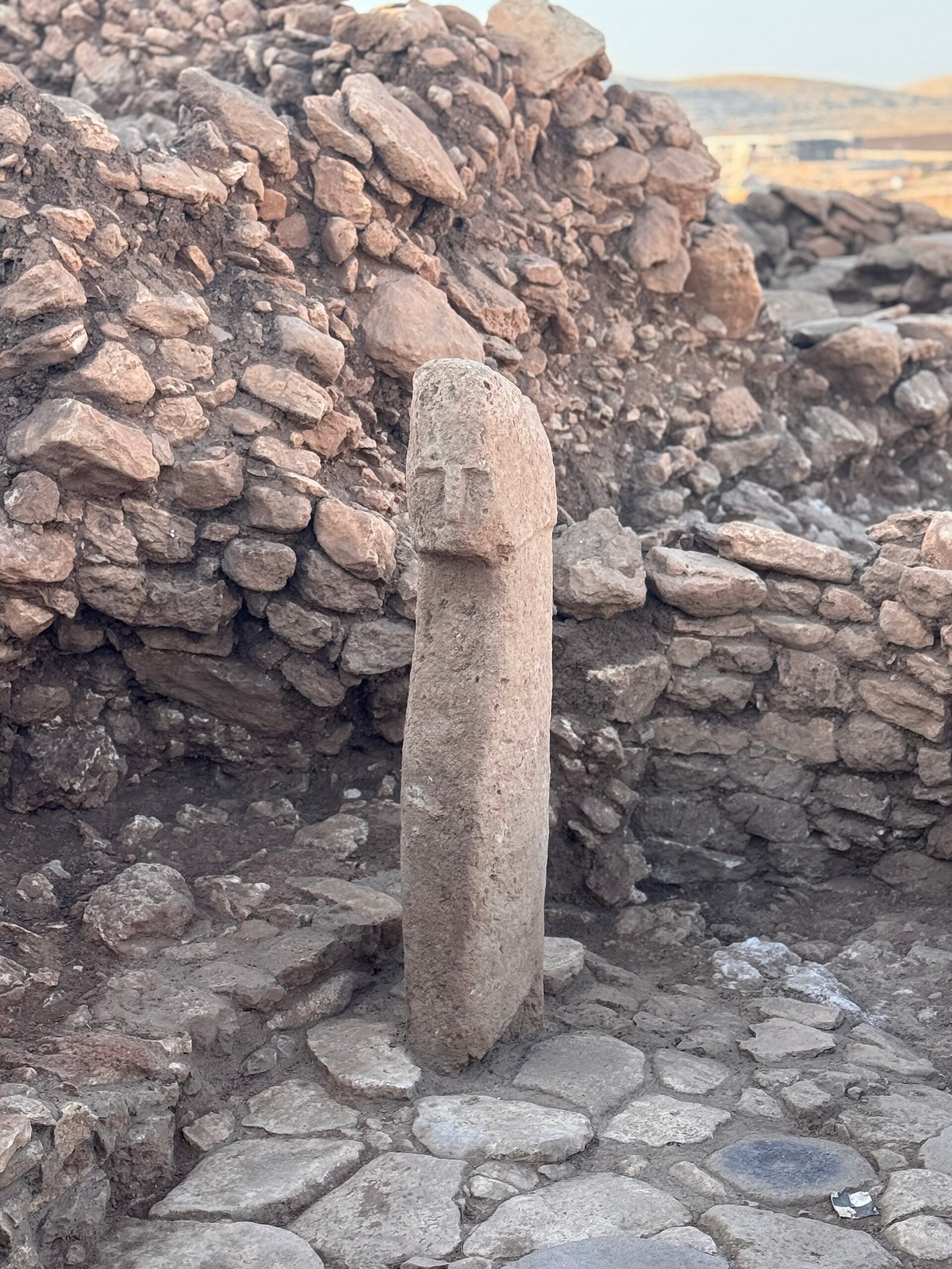
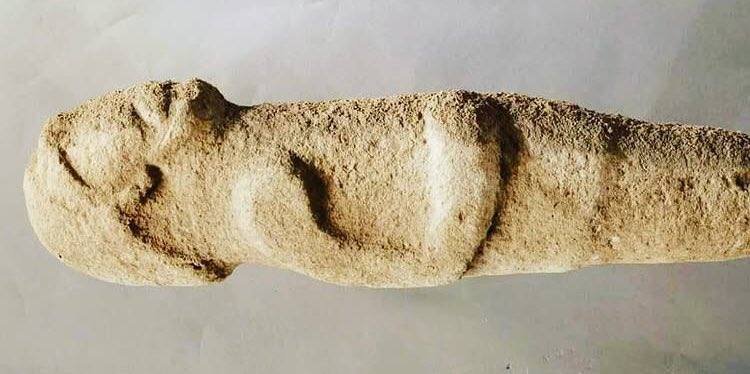
During the 2025 excavation season at Göbekli Tepe — roughly five months of work under project director Necmi Karul — archaeologists recovered a human statue with clearly defined head and torso.
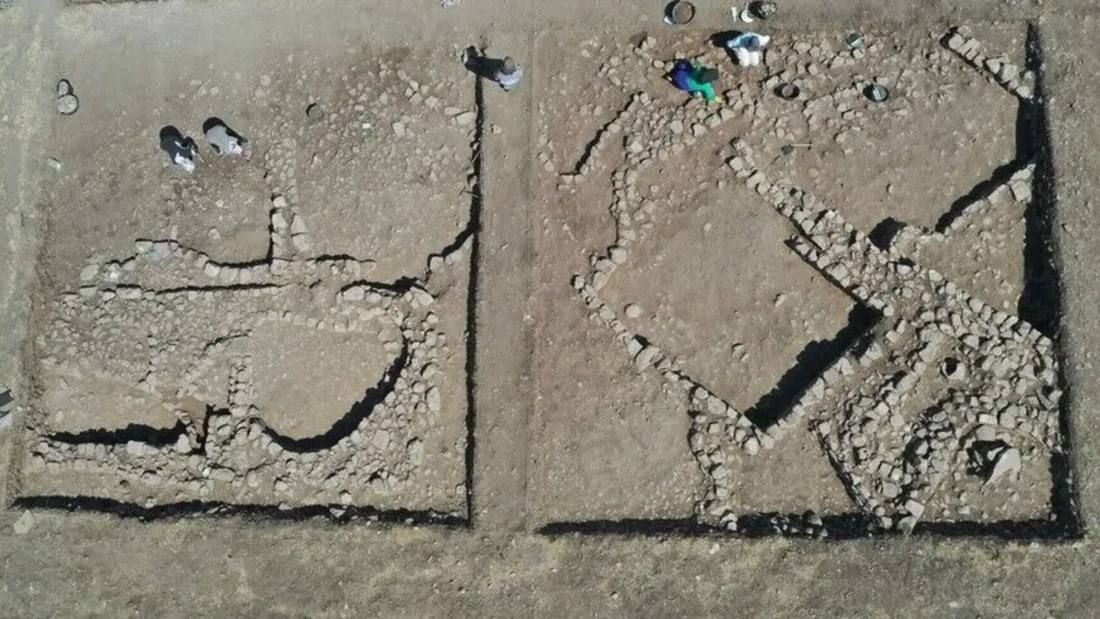
It came from the ground between Enclosures B and D, two of the four great round buildings that made the site famous.
Why the findspot matters
Göbekli Tepe's human imagery has always been outnumbered by its animals. Foxes, snakes, boars, vultures and scorpions dominate the pillars; people appear rarely, and usually as the T-pillars themselves — faceless bodies with arms, hands and belts.
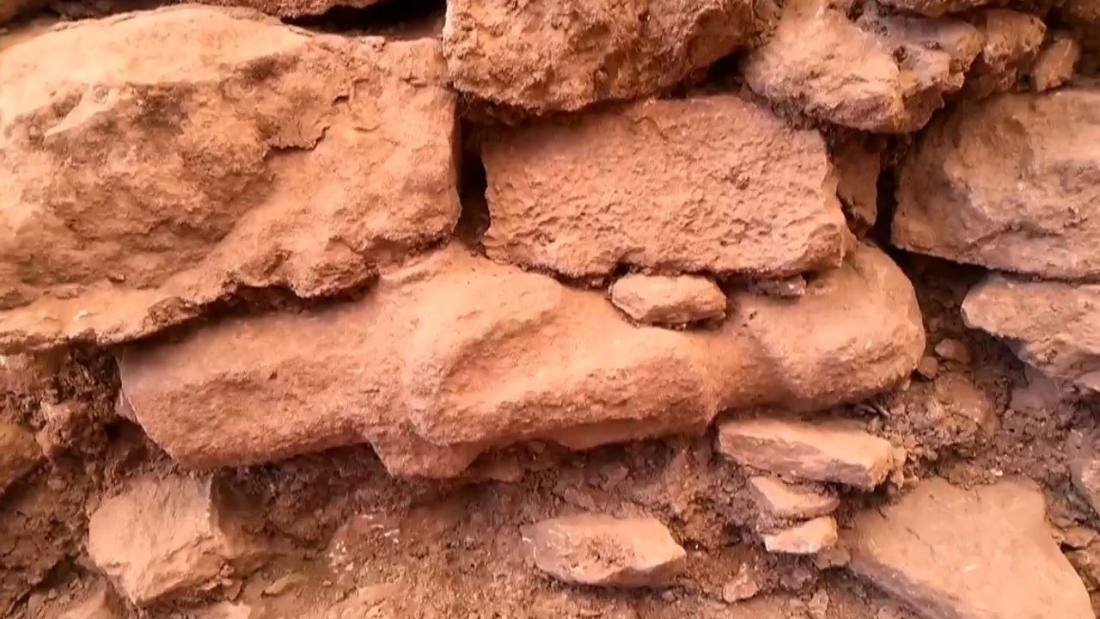
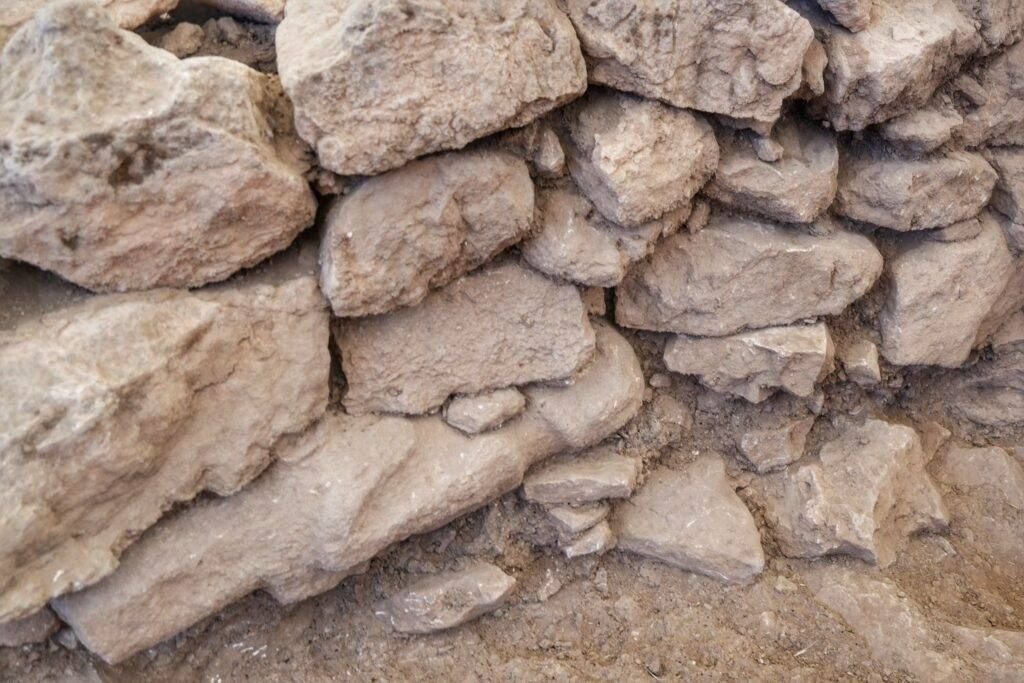
So a free-standing human figure is not routine. And its position between two enclosures places it in the space between buildings rather than inside one, which raises the same question the 2025 wall-embedded figure raised: where were human images meant to stand in relation to the architecture?
As with much at Göbekli Tepe, the object is secure and the interpretation is not.
The pattern across the region
This is now part of a run. Karahan Tepe produced a T-shaped pillar carved with a clearly defined human face in the same season, and a second human statue matching the pose and style of the first major figure found there. Sayburç produced a human statue with carved ribs, a deliberately closed mouth, and eyes resembling shell.
Individually each is a find. Together they suggest the human figure was a shared subject across the Taş Tepeler sites, handled differently at each — and that the imagery was never as animal-dominated as the early publications made it look.
Where human images belong
Göbekli Tepe is, above all, a site of animals. Foxes, snakes, boars, vultures and scorpions dominate its pillars, and where people appear at all they are usually the T-pillars themselves — faceless bodies with arms, hands and belts rather than fully carved figures. Against that background, a free-standing human statue with a clearly defined head and torso is not a routine find.
The 2025 figure, recovered over roughly five months of work under project director Necmi Karul, came from the ground between Enclosures B and D — two of the four great round buildings that made the site famous. That placement, in the space between buildings rather than inside one, is part of what makes it interesting. It puts a human image into the architecture at a point that is neither clearly inside nor clearly outside an enclosure.
The question it raises is one Göbekli Tepe keeps posing: where were human images meant to stand in relation to the great round buildings? A figure between B and D does not answer it, but it sharpens it. As with much at the site, the object itself is secure and the interpretation is not — calling any particular placement deliberate or meaningful is a reading the statue cannot confirm on its own, and who the figure was meant to represent is unknown.
What is uncertain
The statue is real, but the detail here comes from 2025-season announcements, not a published excavation report. The exact findspot 'between Enclosures B and D', whether the figure was set into a wall or simply lay in the fill, and its date relative to the enclosures on either side are the kind of context that only the dig's own stratigraphic account will pin down.
Calling the placement 'deliberate' or 'ritual' is a reading, not an observation — a plausible one at a site where human images turn up in odd, considered positions, but an interpretation the object cannot confirm by itself. Who the figure was meant to represent is unknown.
Common questions
What was found at Göbekli Tepe in 2025? A human statue with a clearly defined head and torso, recovered from the ground between Enclosures B and D — two of the four great round buildings that made the site famous.
Why is a human figure surprising at Göbekli Tepe? The site's imagery is dominated by animals — foxes, snakes, boars, vultures and scorpions. People appear rarely, usually as the T-pillars themselves, so a free-standing human figure is not routine.
Is this find unique? No. It is part of a run — Karahan Tepe produced a faced T-pillar and a second human statue the same season, and Sayburç produced a human statue with carved ribs and a deliberately closed mouth.
Key takeaways
- Göbekli Tepe's human imagery has always been outnumbered by its animals — a free-standing human figure is not routine.
- Its position between two enclosures raises the question of where human images were meant to stand in relation to the architecture.
- The find is part of a run across Taş Tepeler — Karahan Tepe and Sayburç produced human figures the same season.
- Together they suggest the human figure was a shared subject across the sites, handled differently at each.
Sources
- Taş Tepeler Project — ongoing coverage (Arkeonews topic index)
- Göbekli Tepe — background and current fieldwork
This article is written from the primary literature and excavators' reports cited above. Interpretations are attributed; uncertainties are stated in the text.