The word in every headline
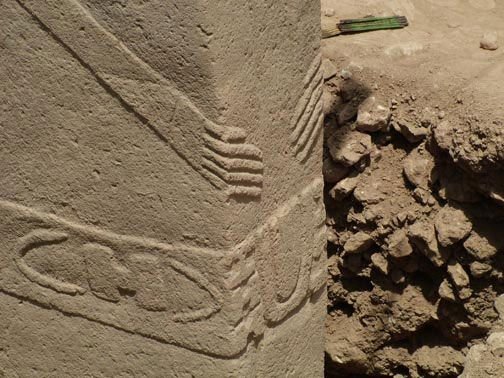
Search for Göbekli Tepe and you will read the same phrase again and again: the world's first temple. It is a good headline. It is also a word the site's own excavators are pointedly careful not to use.
This is not pedantry. 'Temple' carries a specific load of meaning — a building dedicated to a god, run by a religious institution, part of an organised faith. Applied to a site 11,000 years old, it quietly imports all of that, and none of it has actually been demonstrated in the ground.
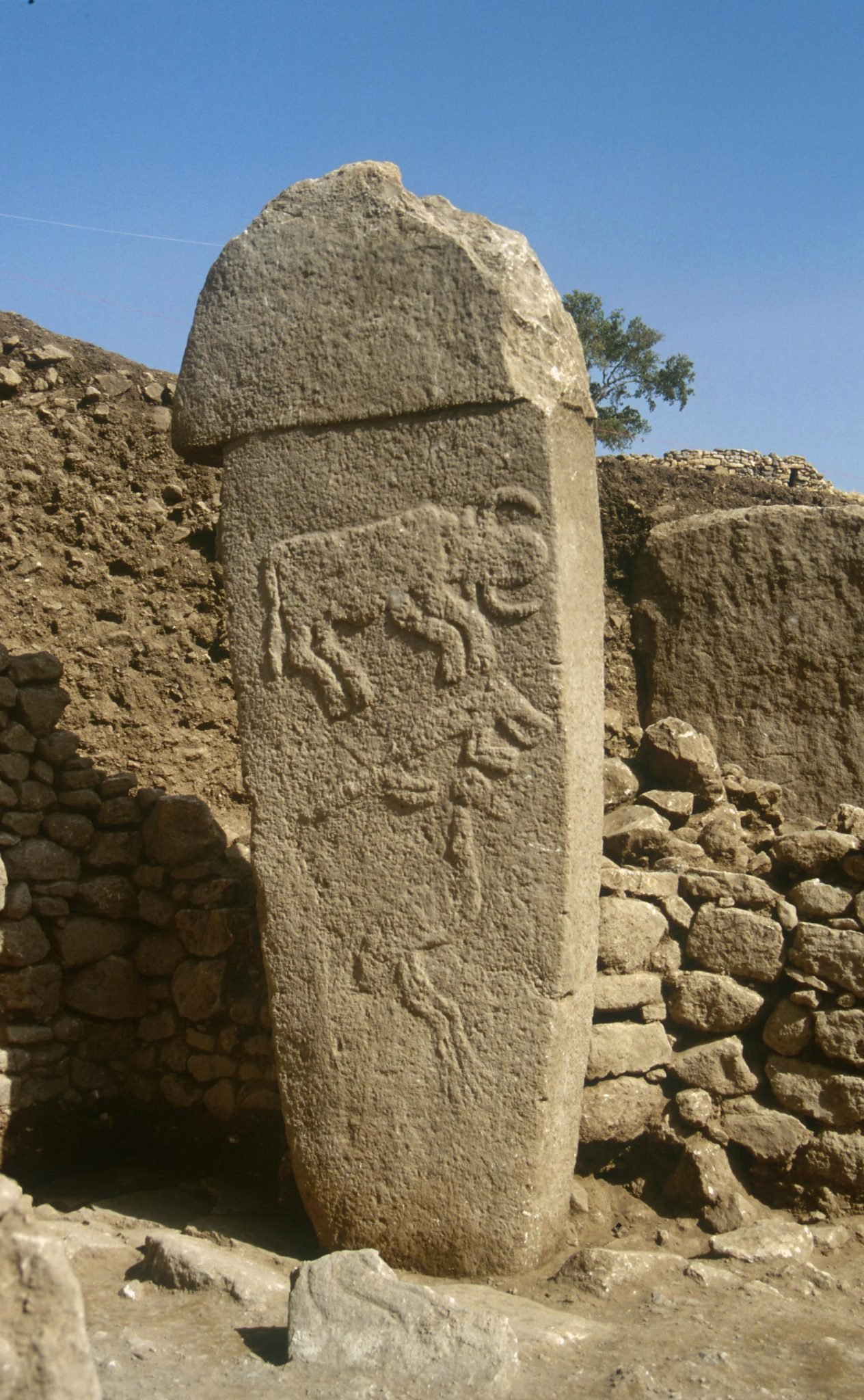
German Archaeological Institute, Göbekli Tepe Project, Pillar 2, Enclosure A, Göbekli Tepe, Copyright: DAI — used with permission, via .
Two directors, the same caution
Prof. Necmi Karul, who directs Karahan Tepe and coordinates the wider Taş Tepeler project, prefers the neutral term 'special building'. His reasoning, given in interviews, is direct: calling something a temple implies a defined religion and a cultic institution that the evidence has not shown. He goes further — the material can be linked to belief and ritual, but not confidently to 'religion' in the sociological sense, because the signs of a religious economy, a priesthood, or an institution are absent.
Dr Lee Clare, who leads the Göbekli Tepe excavation for the DAI, lands in the same place from a different angle. In lecture material he suggests the great buildings may have worked as assembly or social-mediation spaces — places where sedentary hunter-gatherer communities under social pressure came together — rather than only as temples. The function is real and probably ritual; 'temple' is just the wrong label for it.
This has a longer history on the German team, which for years has weighed 'sanctuary', 'special-purpose building' (Sondergebäude) and 'temple' precisely to avoid smuggling modern religion into the Neolithic. What is striking is that the current directors of both flagship digs independently reject the one word the public knows the sites by.
As of 2025 this is not just interview talk. In a joint synthesis of the whole project, Karul, Clare and eight co-directors write plainly that the label 'temple' has been abandoned for the monumental T-pillar buildings, which are now described as 'special buildings' — multi-purpose spaces for ritual, but also communal gathering and storytelling. The same paper reports that dwellings have now been identified in every phase at Göbekli Tepe, so the old picture of a temple with no houses no longer holds: it was a settlement.
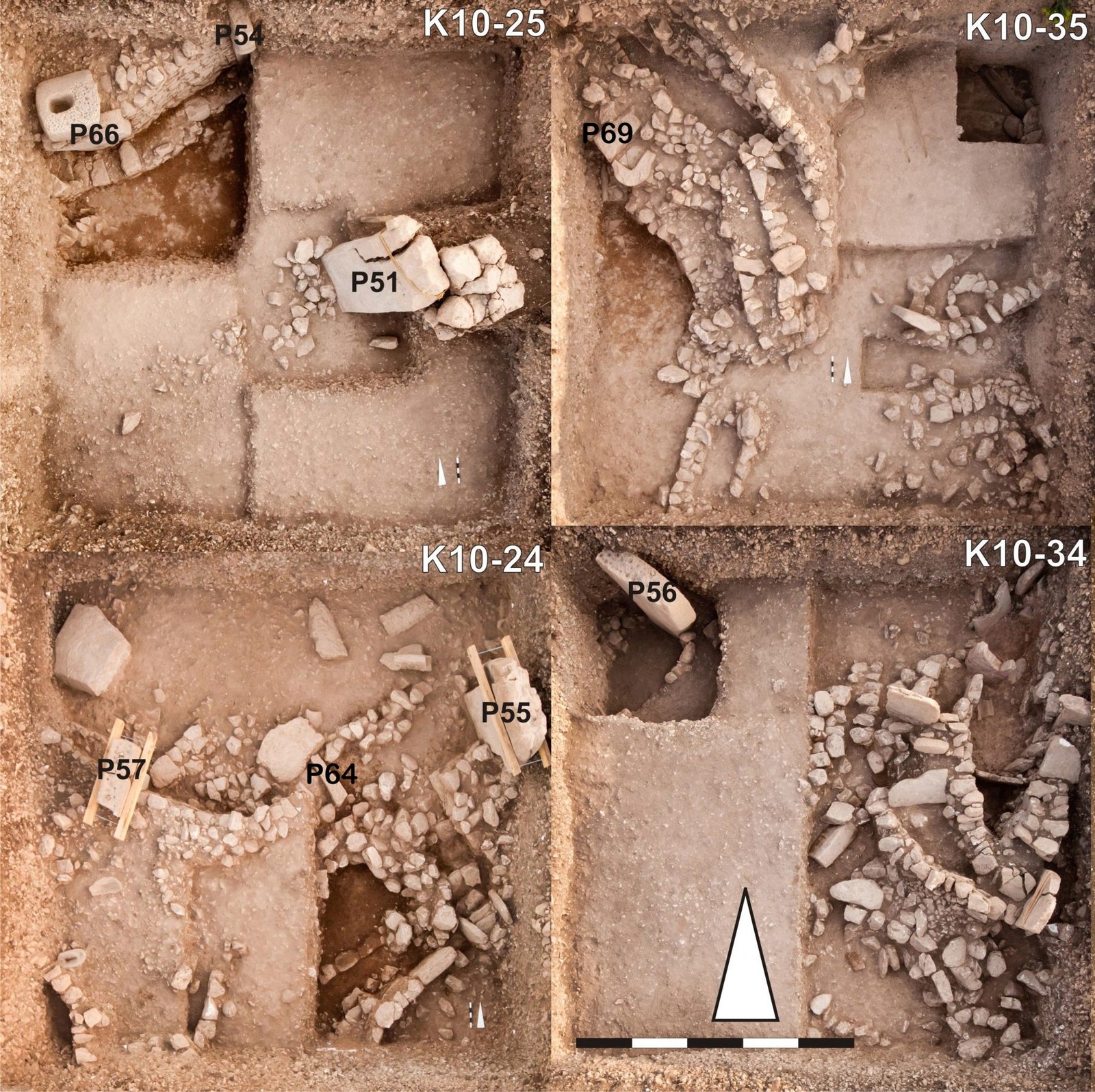
German Archaeological Institute, Göbekli Tepe Project, Enclosure H, Göbekli Tepe, Copyright: DAI — used with permission, via .
Why it matters
Words steer interpretation. Call a building a temple and you have already decided it was about gods and priests. Call it a special building or an assembly space and you leave open what people actually did there — feast, initiate, mourn, tell stories, settle disputes, or worship, or several of these at once.
The excavators are not saying nothing sacred happened here. They are saying the honest position is to describe the building and hold back on naming the belief. That is a harder, better story than the headline.
So what should we call it?
If not a temple, then what? The excavators' preferred term is deliberately flat: 'special building' (in German, Sondergebäude) — a structure clearly set apart from ordinary houses by its scale, its pillars and its imagery, but without the baggage of naming the belief behind it. Others have floated 'sanctuary', 'communal building', or 'assembly place'. Each tries to capture the same balance: something extraordinary happened here, but we should describe it before we label it.
This is not empty caution. The choice of word decides the story. 'Temple' hands you gods, priests and an organised faith for free. 'Special building' or 'gathering place' leaves the door open to feasting, initiation, storytelling, mourning, dispute-settling, or worship — or several at once. And the newest evidence pushes the same way: with dwellings now identified in every phase at Göbekli Tepe, the old image of an isolated temple with no houses has given way to a settlement where the extraordinary and the everyday stood side by side.
Common questions
Is Göbekli Tepe a temple? The people who excavate it avoid the word. They prefer 'special building', because 'temple' implies gods, priests and an organised religion that the evidence has not demonstrated. Ritual use is likely; a temple in the modern sense is not established.
Why isn't Göbekli Tepe called the world's first temple any more? Because a 2025 synthesis by the site's directors formally dropped the term in favour of 'special buildings', and because houses have now been found in every phase — so it reads as a settlement, not a temple standing alone.
What were the enclosures used for, then? Probably several things at once — communal gathering, feasting, ritual and storytelling. The excavators describe them as multi-purpose special buildings rather than single-function houses of worship.
What is uncertain
Terminology is itself a live debate, and 'special building' is a deliberately cautious placeholder, not a final verdict. Some ritual use of these buildings is widely accepted; what is withheld is the leap to an organised religion with gods and clergy.
Earlier statements of these positions came largely from interviews and lectures (Karul on Taş Tepeler; Clare on Göbekli Tepe). As of 2025 the caution is also set out in a joint, peer-reviewed synthesis co-authored by both directors, which states directly that the 'temple' designation has been dropped in favour of 'special buildings' — so this is now the project's published position, not only its spoken one.
Key takeaways
- The people who dig Göbekli Tepe avoid the word 'temple' — it smuggles in gods and priests the evidence hasn't shown.
- Their preferred term is 'special building': extraordinary, clearly ritual, but described rather than labelled.
- A 2025 synthesis by both directors makes this the project's published position, not just interview talk.
- With houses now found in every phase, Göbekli Tepe reads as a settlement, not an isolated temple.
Sources
- Karul, N., Baird, D., Clare, L., Erdalkıran, M., Güldoğan, E., Miyake, Y., Özdoğan, E., Shimogama, K., Şahin, F. & Uludağ, C. (2025). Şanlıurfa Neolithic Research Project – Taş Tepeler: Recent Studies, New Results.
- Tepe Telegrams (DAI) — A Sanctuary … or so fair a House? (on the 'temple' problem)
- Tepe Telegrams (DAI) — Current state of research at Göbekli Tepe (interview, arkeofili.com)
This article is written from the primary literature and excavators' reports cited above. Interpretations are attributed; uncertainties are stated in the text.