What is happening
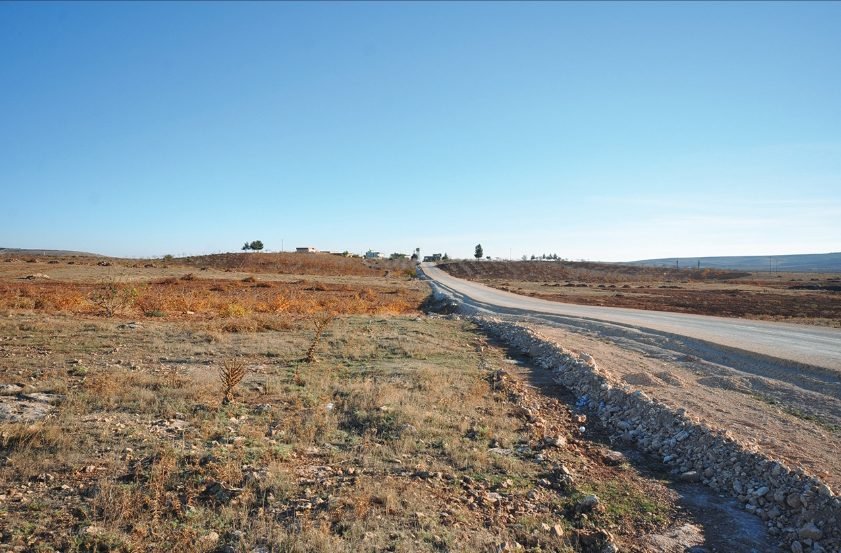
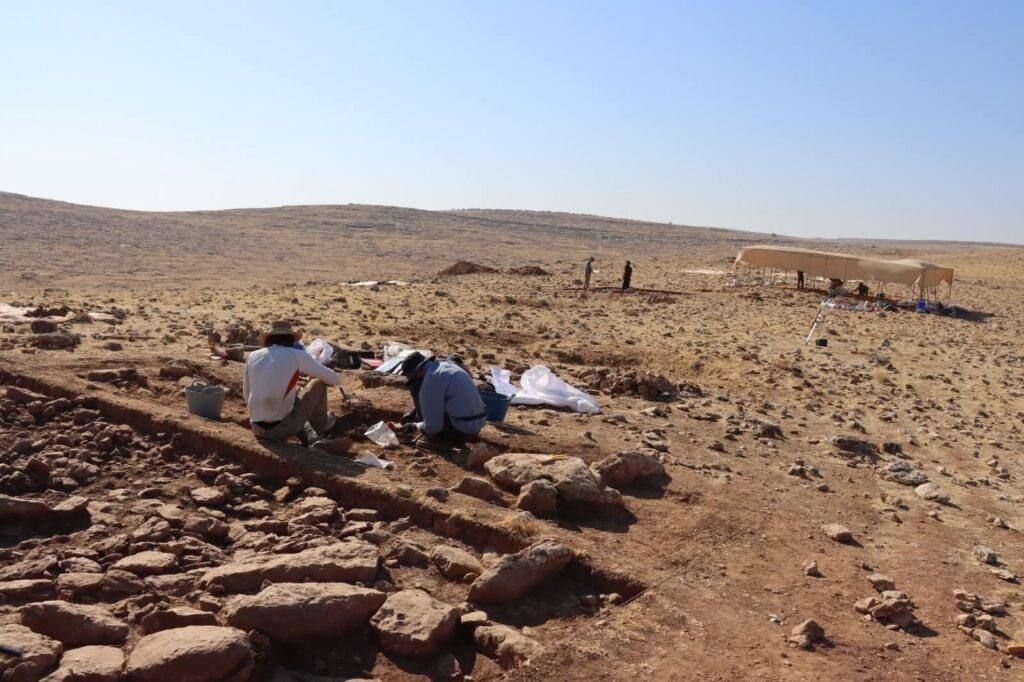
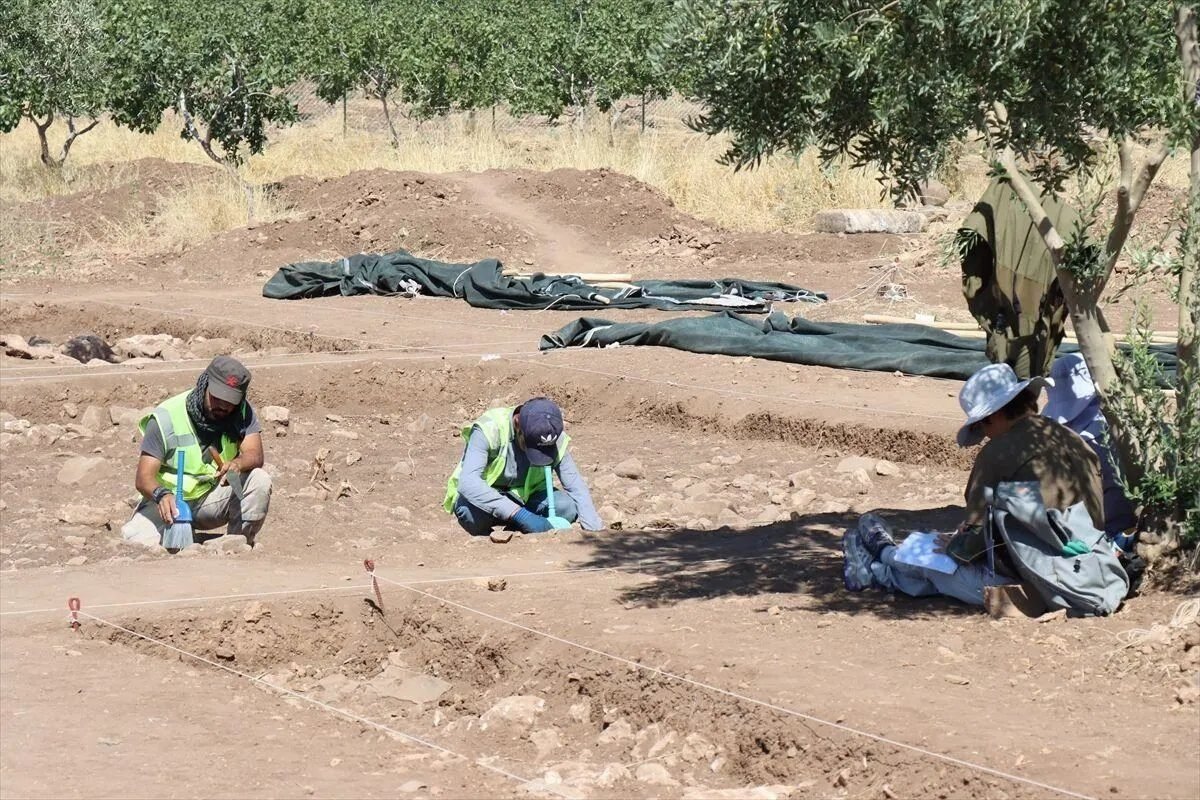
On 16 July 2026, a team began the first archaeological excavation ever carried out at Yoğunburç, a Neolithic mound in the Karaköprü district of Şanlıurfa. It is one of the twelve sites in the Taş Tepeler project, and until now it had never been dug.
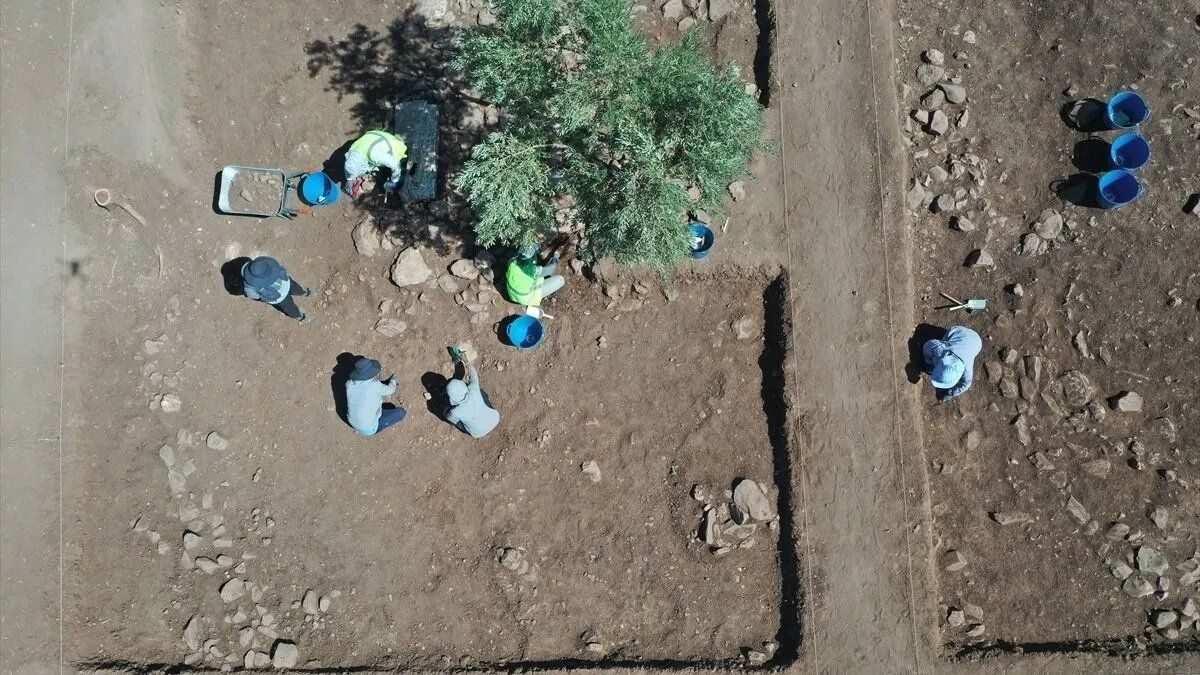
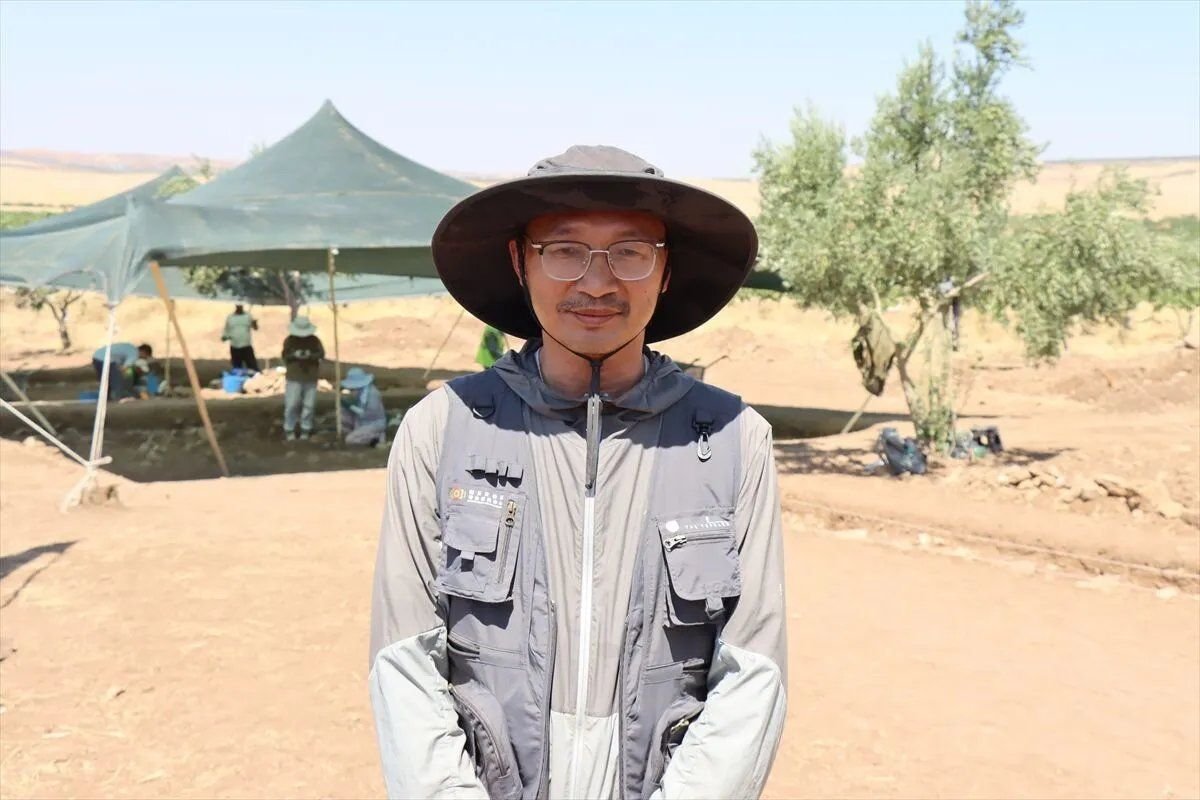
The team is led by Prof. Dr. Gan Caichao of China's State Cultural Heritage Administration Archaeological Research Center, working with the Şanlıurfa Archaeology Museum. Of the 22 people on site, seven are Chinese archaeologists.
Both the Taş Tepeler coordinator, Prof. Necmi Karul, and the Chinese team have described it the same way: this is the People's Republic of China's first excavation project in Türkiye.
What has come out of the ground
This is an opening season — the aim is to trace the site's edges and find where material concentrates, not to expose monuments. Even so, the first trenches have already produced beads, flint tools, and wild boar teeth.
Small finds like these carry more than they seem to. Worked flint and shaped beads at a 12,000-year-old site speak to skill and to ornament — people making tools and making decoration, not merely surviving. Prof. Gan has said the beads and tools show the people here were 'very intelligent and clever'.
The mound covers roughly 22 hectares. Only a first sounding has been opened; what kind of place Yoğunburç was — domestic, communal, or both — is exactly what the coming seasons are meant to establish.
Why it matters
Two things. First, a unexcavated Taş Tepeler site is being opened with modern method from the very first trench — a rare chance to watch a Neolithic site read from a blank page rather than reinterpreted from an old dig.
Second, the shape of the project is changing. A Japanese team began at Ayanlar Höyük in 2025; a Chinese team is now at Yoğunburç. Taş Tepeler is becoming a place the world's archaeologists come to work, not only to visit.
What an opening season is really for
It helps to know what a first excavation season is meant to do. Rather than racing to uncover carved pillars or grand architecture, an opening season at a site like Yoğunburç sets out to trace the mound's edges and find where material concentrates in the ground — the unglamorous groundwork that tells a team where to dig in the years that follow.
That is why the early finds matter more than they might seem. Beads, flint tools and wild boar teeth are small things, but at a site roughly 12,000 years old they speak to skill and to ornament — people shaping tools and making decoration, not merely surviving. Prof. Gan has said the beads and tools show the people here were 'very intelligent and clever.'
A region the world now comes to dig
Yoğunburç also marks a shift in who works in the Taş Tepeler landscape. This part of Şanlıurfa province holds twelve Neolithic sites of the same broad culture as Göbekli Tepe, and until recently most were dug by Turkish teams. Now a Japanese team has opened work at Ayanlar Höyük and a Chinese team has begun here.
For Yoğunburç specifically, the value is that a unexcavated site is being read from the first trench with modern method — a rare chance to watch a Neolithic mound emerge from a blank page rather than be reinterpreted from an older dig. What kind of place it was, domestic or communal or both, is exactly what the coming seasons are meant to establish.
It is also the first time a Chinese team has led an excavation in Türkiye, which makes Yoğunburç a small landmark in the archaeology of the region as well as in its prehistory.
What is uncertain
Almost everything past the first finds. With a single opening season there is no site plan, no dating from Yoğunburç itself, and no architecture yet — only the mound's size and its first small finds. Treat this as the start of a dig, not a result.
We will update this page as the first season is reported.
Common questions
Whose excavation is this? A Chinese team led by Prof. Dr. Gan Caichao, working with the Şanlıurfa Archaeology Museum — the People's Republic of China's first archaeological project in Türkiye.
What have they found so far? In an opening season aimed at tracing the mound's edges, the first trenches produced beads, flint tools and wild boar teeth.
How big is the site? The mound covers roughly 22 hectares, but only a first sounding has been opened so far.
Key takeaways
- Yoğunburç is one of Taş Tepeler's twelve sites and had never been excavated until 2026.
- The dig is the People's Republic of China's first archaeological project in Türkiye.
- This opening season aims to map the site's edges, not expose monuments — yet already yielded beads, flint tools and boar teeth.
- It is a rare chance to read a unexcavated Neolithic site from a blank page.
Sources
- Anadolu Agency — Chinese archaeologists trace the Neolithic at Yoğunburç (9 August 2026)
- Türkiye Today — Japanese and Chinese archaeologists join Türkiye's Taş Tepeler project
This article is written from the primary literature and excavators' reports cited above. Interpretations are attributed; uncertainties are stated in the text.