A new name on the map
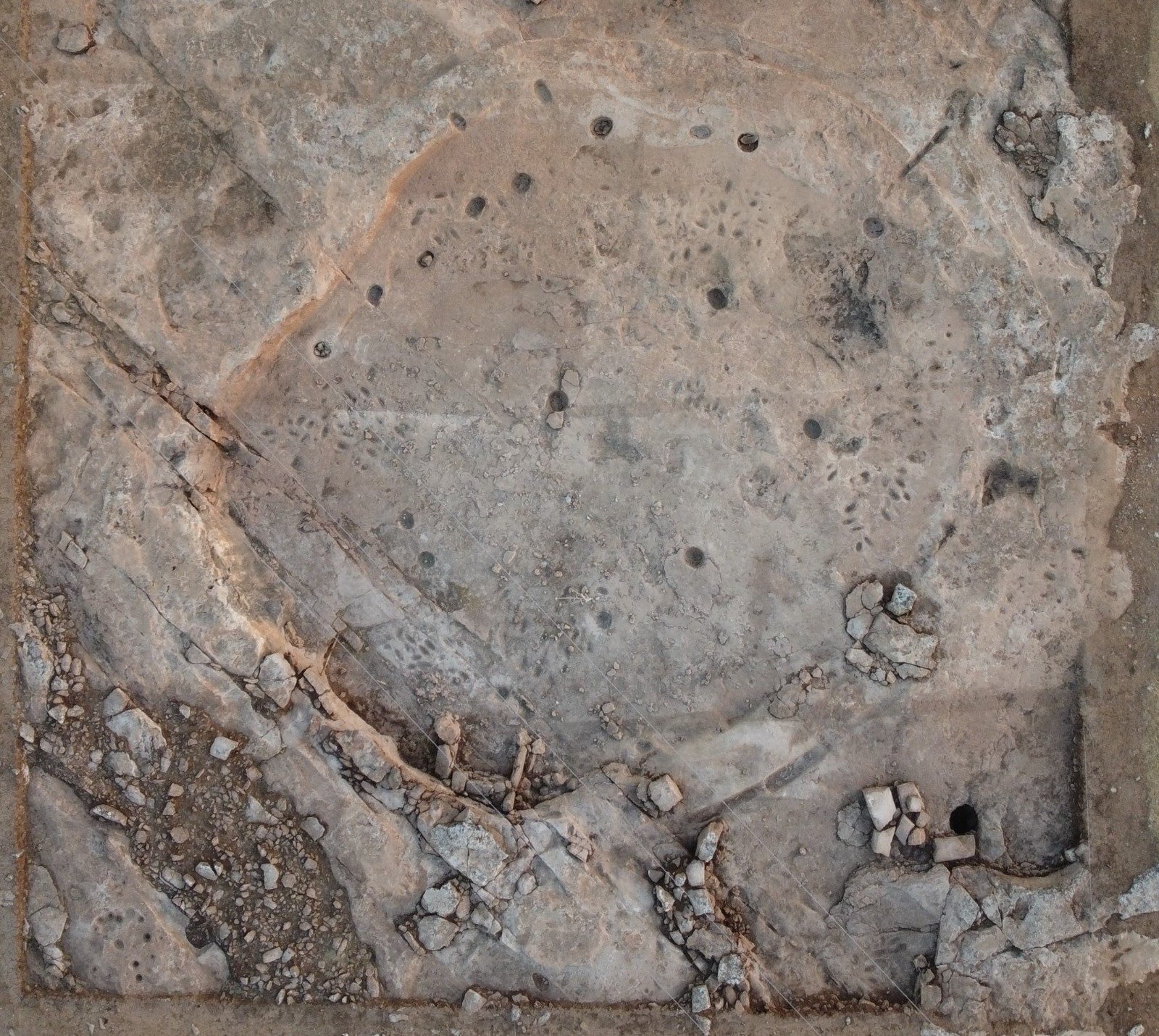
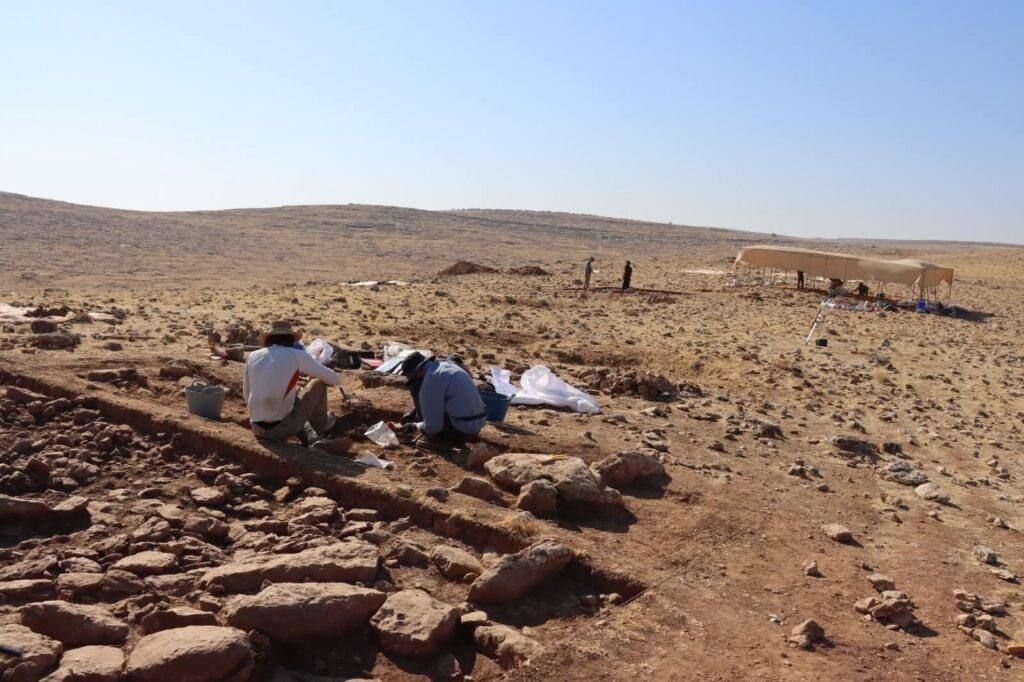
Mendik Tepe sits in the Payamlı area of the Eyyübiye district, southwest of Şanlıurfa and about 5 km from Çakmaktepe. It was spotted by Fatma Şahin, the director of the Çakmaktepe dig, and full excavation began in 2024 — making it one of the newest fronts in the Taş Tepeler project.
What sets it apart is who is digging. The excavation is led by Prof. Douglas Baird of the University of Liverpool, with the Şanlıurfa Archaeology Museum and the support of the British Institute of Archaeology — one of the international teams, alongside the Japanese at Ayanlar and the Chinese at Yoğunburç, now working across the region.
Possibly older than Göbekli Tepe
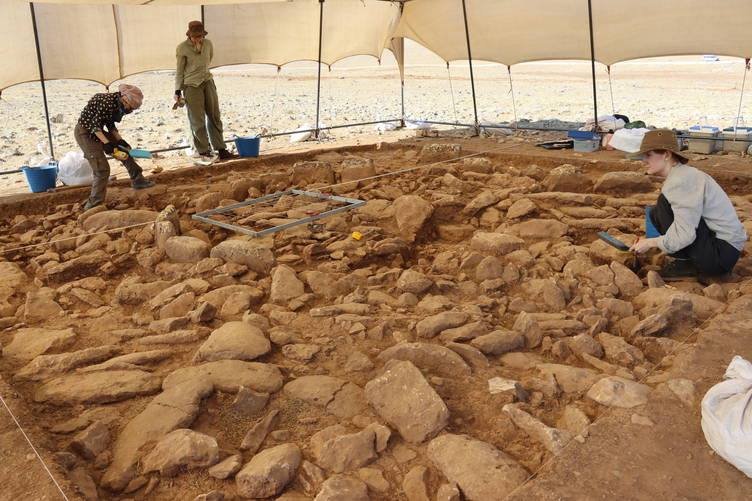
The claim drawing attention is chronological. Initial analysis places Mendik Tepe at the very beginning of the Neolithic — potentially earlier than Göbekli Tepe, which is dated to around 9600 BCE. If that holds, Mendik reaches back to the moment mobile hunter-gatherers were first settling down, perhaps not long after the earliest plant cultivation.
The standing stones here are smaller and not T-shaped, unlike the monoliths of Göbekli Tepe and Karahantepe — consistent with a site that sits before the fully developed pillar tradition rather than within it.
What has come up
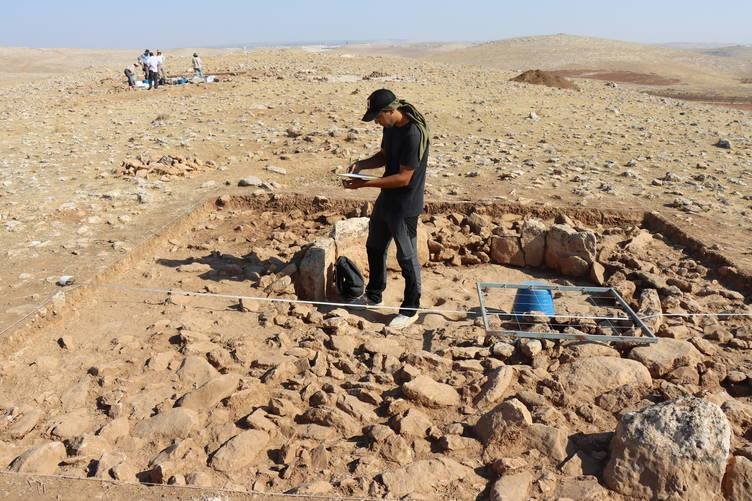
The second season exposed buildings of varying sizes: small structures that may have been for storage or food preparation, mid-sized buildings of around 4–5 metres that look like dwellings, and larger structures whose stonework stands out. Of one of these, Baird said: 'The robust and meticulous stonework of a large building stands out. This strengthens the possibility that the structure was built for ritual purposes.'
That range — storage, homes, and a possible ritual building together — is what makes an early site valuable. It catches a community in the act of sorting out what different buildings are for.
Why an early site is worth so much
The claim drawing attention is chronological. Initial analysis places Mendik Tepe at the very beginning of the Neolithic — potentially earlier than Göbekli Tepe, dated to around 9600 BCE. If that holds, Mendik reaches back to the moment mobile hunter-gatherers were first settling down. The standing stones here are smaller and not T-shaped, consistent with a site that sits before the fully developed pillar tradition rather than within it.
The second season exposed buildings of varying sizes: small structures that may have been for storage or food preparation, mid-sized buildings of around four to five metres that look like dwellings, and larger structures whose robust stonework stands out — one of which the team suspects was built for ritual. That range is exactly what makes an early site valuable: it catches a community in the act of sorting out what different buildings are for.
One of many international fronts
Mendik Tepe sits in the Payamlı area of the Eyyübiye district, about five kilometres from Çakmaktepe, and was spotted by Fatma Şahin, the director of the Çakmaktepe dig, before full excavation began in 2024. The dig is led by Prof. Douglas Baird of the University of Liverpool, with the Şanlıurfa Archaeology Museum and the support of the British Institute of Archaeology.
That places it alongside the Japanese team at Ayanlar and the Chinese team at Yoğunburç as one of the international collaborations now working across the Taş Tepeler region. For now Mendik is a site to watch rather than a conclusion: firm radiocarbon dates and a published stratigraphy are what would settle its place in the sequence, and they are not out yet.
What is uncertain
The 'older than Göbekli Tepe' framing rests on initial analysis of a dig only in its second year. Firm radiocarbon dates and a published stratigraphy are what would settle it, and they are not out yet. Early impressions of a building's purpose, as Baird himself stresses, are impressions.
Mendik is a site to watch rather than a conclusion. We will update this page as dating and excavation reports appear.
Common questions
Could Mendik Tepe really be older than Göbekli Tepe? Initial analysis places it at the very beginning of the Neolithic, potentially earlier than Göbekli Tepe's ~9600 BCE date — but that is a working claim pending radiocarbon dates.
Who is excavating it? A team led by Prof. Douglas Baird of the University of Liverpool, with the Şanlıurfa Archaeology Museum and the support of the British Institute of Archaeology.
Why aren't the stones T-shaped? The uprights here are smaller and not T-shaped, consistent with a site that sits before the fully developed T-pillar tradition.
Key takeaways
- A University of Liverpool team is digging Mendik Tepe, which initial analysis suggests may predate Göbekli Tepe.
- Its standing stones are smaller and not T-shaped — consistent with a site before the pillar tradition matured.
- The second season exposed a range of buildings: storage, dwellings and one robust structure that may be ritual.
- The 'older than Göbekli' framing rests on initial analysis — firm radiocarbon dates are not out yet.
Sources
- Türkiye Today — Mendik Tepe emerges before Göbeklitepe (28 August 2025)
- Arkeonews — Mendik Tepe: a Neolithic discovery that could rewrite history before Göbekli Tepe
This article is written from the primary literature and excavators' reports cited above. Interpretations are attributed; uncertainties are stated in the text.