What is being built
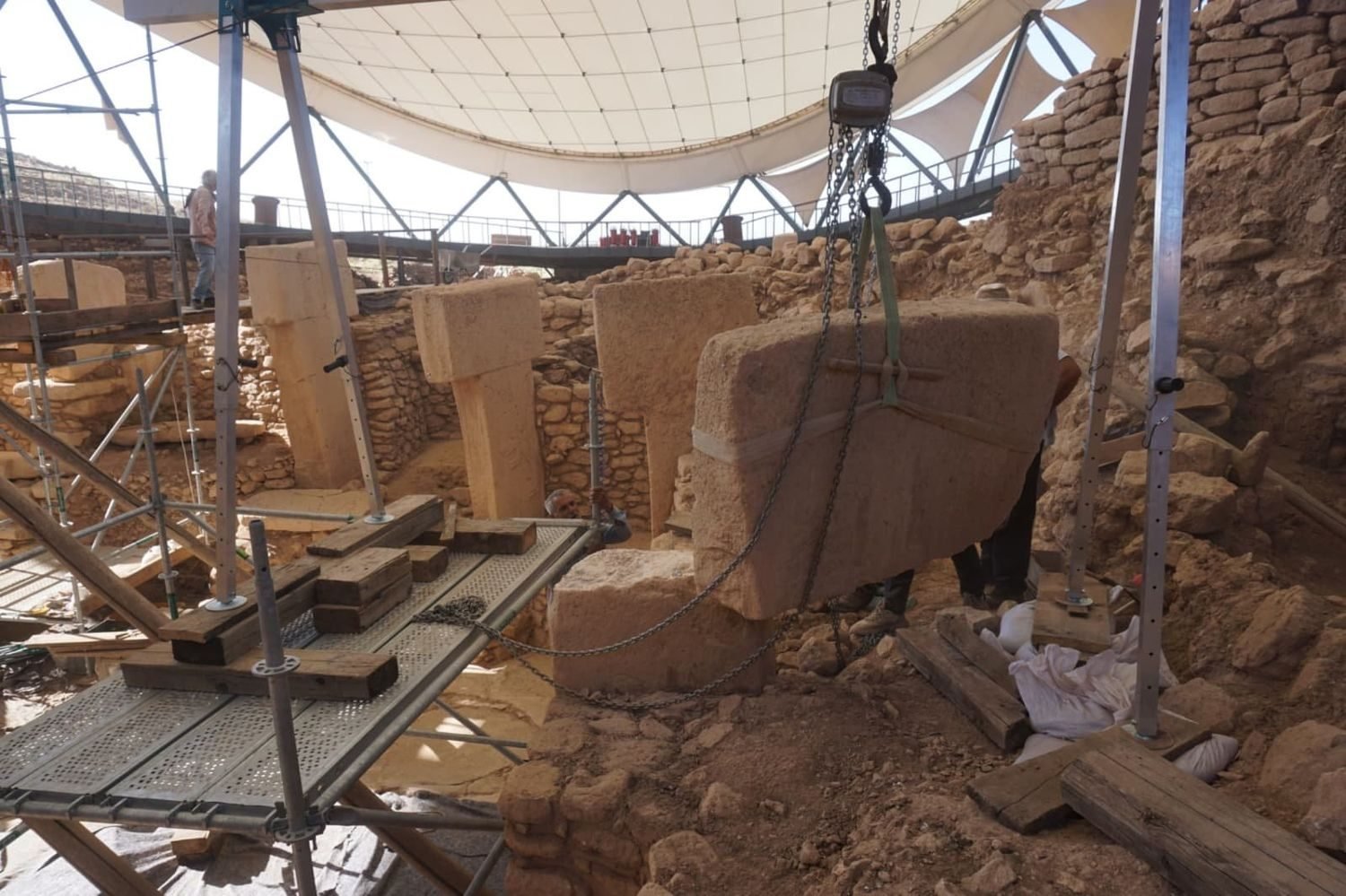
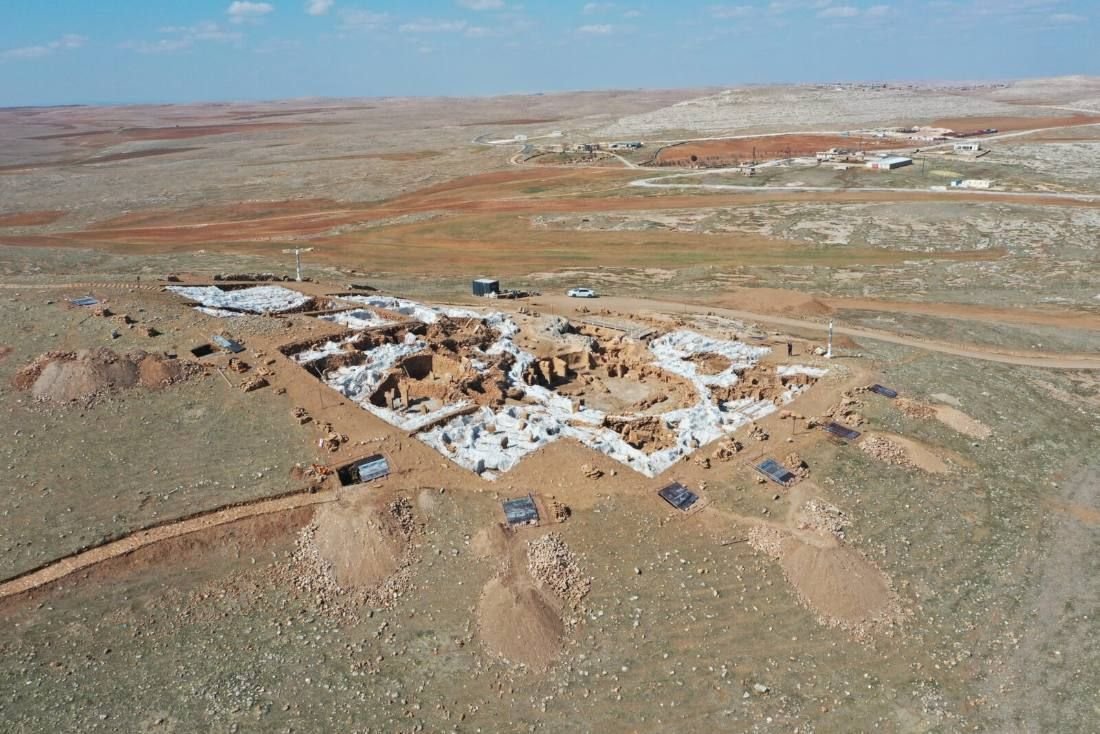
A protective roof is under construction over the excavated core of Karahan Tepe, in Şanlıurfa's Tek Tek Mountains. Work began in March 2025, under project director Prof. Necmi Karul, as part of the Turkish Ministry of Culture and Tourism's preservation programme across the Taş Tepeler sites.
It is not a single fixed shell. Karul has described it as a modular, extendable system — one that can be added to as excavation spreads, and shaped to follow the natural topography rather than loom over it.
At the last figure he gave publicly, roughly 3,500 square metres were to be covered in the first phase during 2025. The architectural design envisages a substantially larger canopy as the sheltered area grows.
Why a site gets a roof
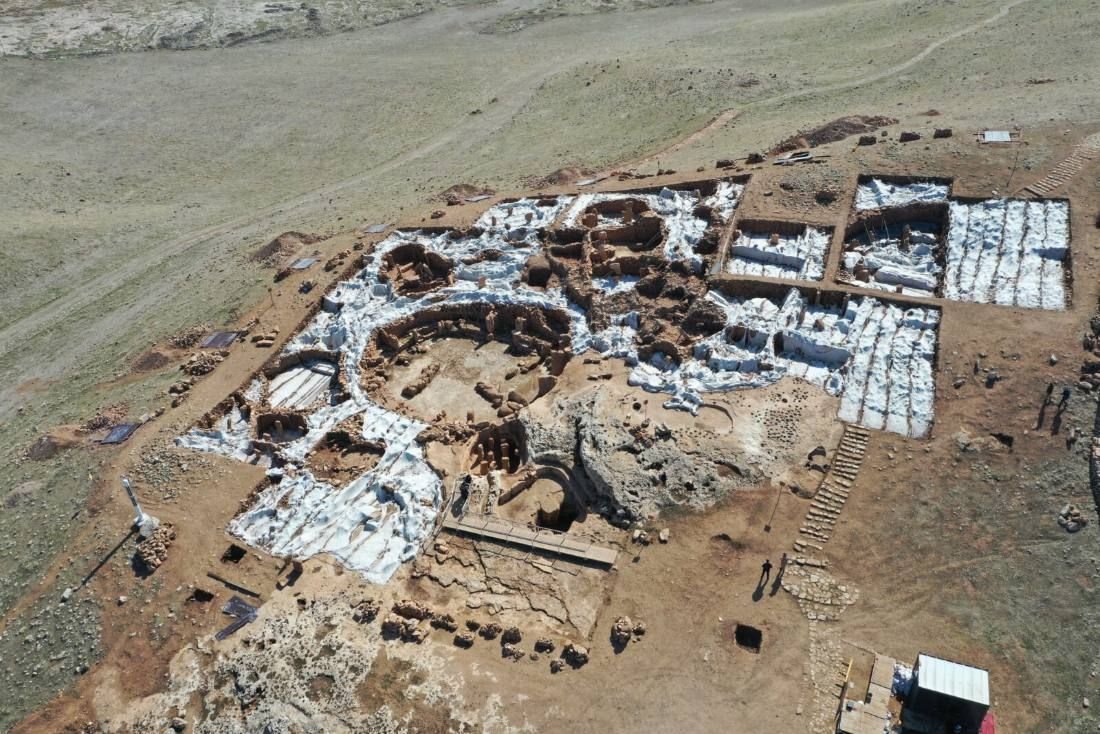
Karahan Tepe's chambers are cut down into soft limestone bedrock and carry carved reliefs, benches and pillars. Once excavated, that stone meets frost, rain, heat and wind it had been sealed away from for eleven thousand years. Left open, it erodes.
A canopy is the standard answer — Göbekli Tepe has had one since 2018. It trades the open-air experience for the survival of the carvings. For the archaeology that is not a close call; it is the right decision. It does, though, change the place.
What it changes for visitors
For most of its life as a modern dig, Karahan Tepe has been an open site: you stand on the ridge with the enclosures below you and the sky directly overhead. As the canopy is finished over each area, that open-air view is replaced by a sheltered one.
If standing among the enclosures under open sky matters to you, that window is closing area by area as the roof extends. This is simply how a well-run active site works — preservation comes first, and the unroofed view is temporary by design.
Why a site gets a roof
Karahan Tepe's rooms are cut down into soft limestone bedrock in the Şanlıurfa region, and they carry carved reliefs, benches and pillars roughly 12,000 years old. For most of that time the stone was sealed underground, protected from the weather. The moment excavation exposes it, that changes: frost, rain, heat and wind begin to work on carvings that had never met them.
A canopy is the standard conservation answer, and Göbekli Tepe — about 35 km to the west — has had one since 2018. It trades the open-air experience for the survival of the carvings. For the archaeology that is not a close call; it is the right decision. What is unusual at Karahan is the design: rather than one fixed shell, project director Necmi Karul has described a modular, extendable system that can be added to as the dig spreads and shaped to follow the natural slope rather than loom over it.
What it changes for visitors
For most of its life as a modern dig, Karahan Tepe has been an open site — you stand on the ridge with the enclosures below you and the sky directly overhead. As the roof is finished over each area, that open view is replaced by a sheltered one, and the window for seeing the enclosures under open sky is closing area by area.
This is simply how a well-run active site works: preservation comes first, and the unroofed view was always temporary by design. The most recent public coverage figure is Karul's roughly 3,500-square-metre first-phase target for 2025, so the specifics are best read as a snapshot rather than a finished total.
What is uncertain
The most recent official coverage figure we can cite is Karul's ~3,500 m² first-phase target for 2025. We have not seen a newer published statement on how much of the site sits under cover today, or a firm completion date. Treat the specifics as a snapshot rather than a finished total.
We will update this page when the project publishes a current figure.
Common questions
Why does Karahan Tepe need a roof? Its chambers are cut into soft limestone bedrock and carry carved reliefs, benches and pillars. Once exposed, that stone erodes in frost, rain, heat and wind, so a canopy protects it.
When did construction start? Work began in March 2025 under project director Prof. Necmi Karul, as part of the Ministry of Culture and Tourism's preservation programme across the Taş Tepeler sites.
Will it change how the site looks to visitors? Yes. As the canopy is finished over each area, the open-air view of the enclosures is replaced by a sheltered one, area by area.
Key takeaways
- The roof is a modular system that can grow with the excavation and follow the natural topography, not a single fixed shell.
- Once excavated, Karahan's soft-limestone carvings meet weather they had been sealed from for eleven thousand years — left open, they erode.
- A canopy is the standard answer; Göbekli Tepe has had one since 2018.
- As each area is roofed, the open-air view of the enclosures is replaced by a sheltered one.
Sources
- Türkiye Today — Karahantepe gets protective roof (10 March 2025)
- Hürriyet Daily News — Karahantepe prepares for a new era of preservation
This article is written from the primary literature and excavators' reports cited above. Interpretations are attributed; uncertainties are stated in the text.