The feature nobody photographs
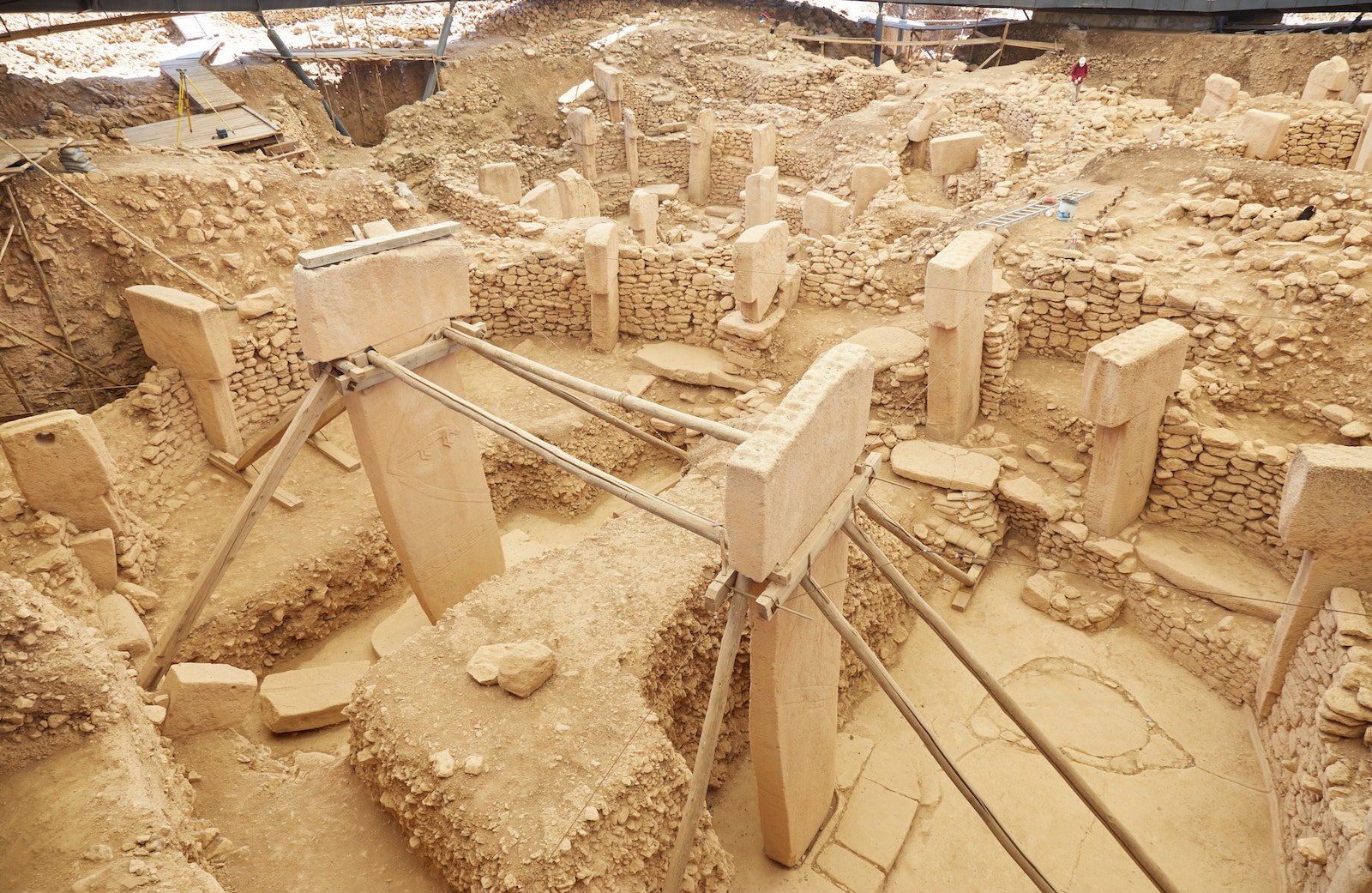
Visitors photograph the T-pillars, the carved heads, the leopards. Almost nobody photographs the bench — and yet a low stone ledge running along the inside of the wall is one of the most consistent features across the Taş Tepeler special buildings. Once you notice it, you see it everywhere.
At Göbekli Tepe, a bench runs along the interior wall of the great round enclosures, threaded between the wall-pillars, so that the whole room is ringed by a built-in ledge. It is structural and social at once: it holds the wall, and it gives people somewhere to be.
Seat, stage, and canvas
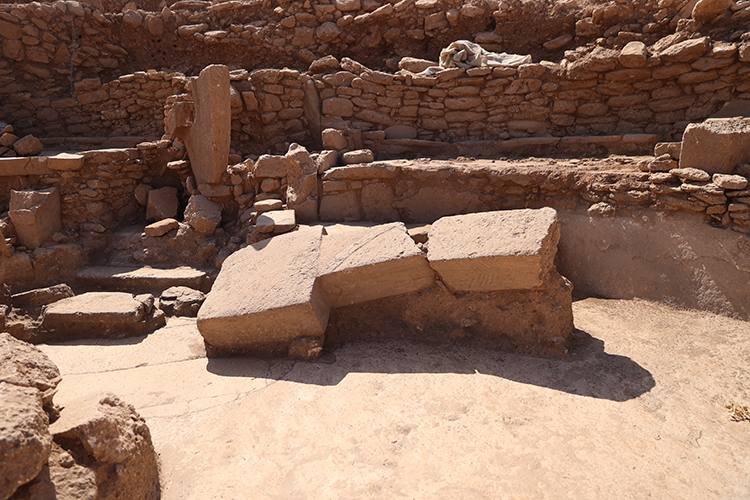
The bench is not always used the same way, which is what makes the pattern rich. At Karahan Tepe, one building turns the bench into the entire point: three curved, tiered stone benches rise around a central sculpture, an arrangement the excavators compare to an amphitheatre — seating built for watching. In the rock-cut chamber Structure AB, excavators also record a bench cut from the living rock, and the director Necmi Karul reports broken sculptures and stone objects deliberately set down on benches, as if the ledge were a place of display or offering, not just seating.
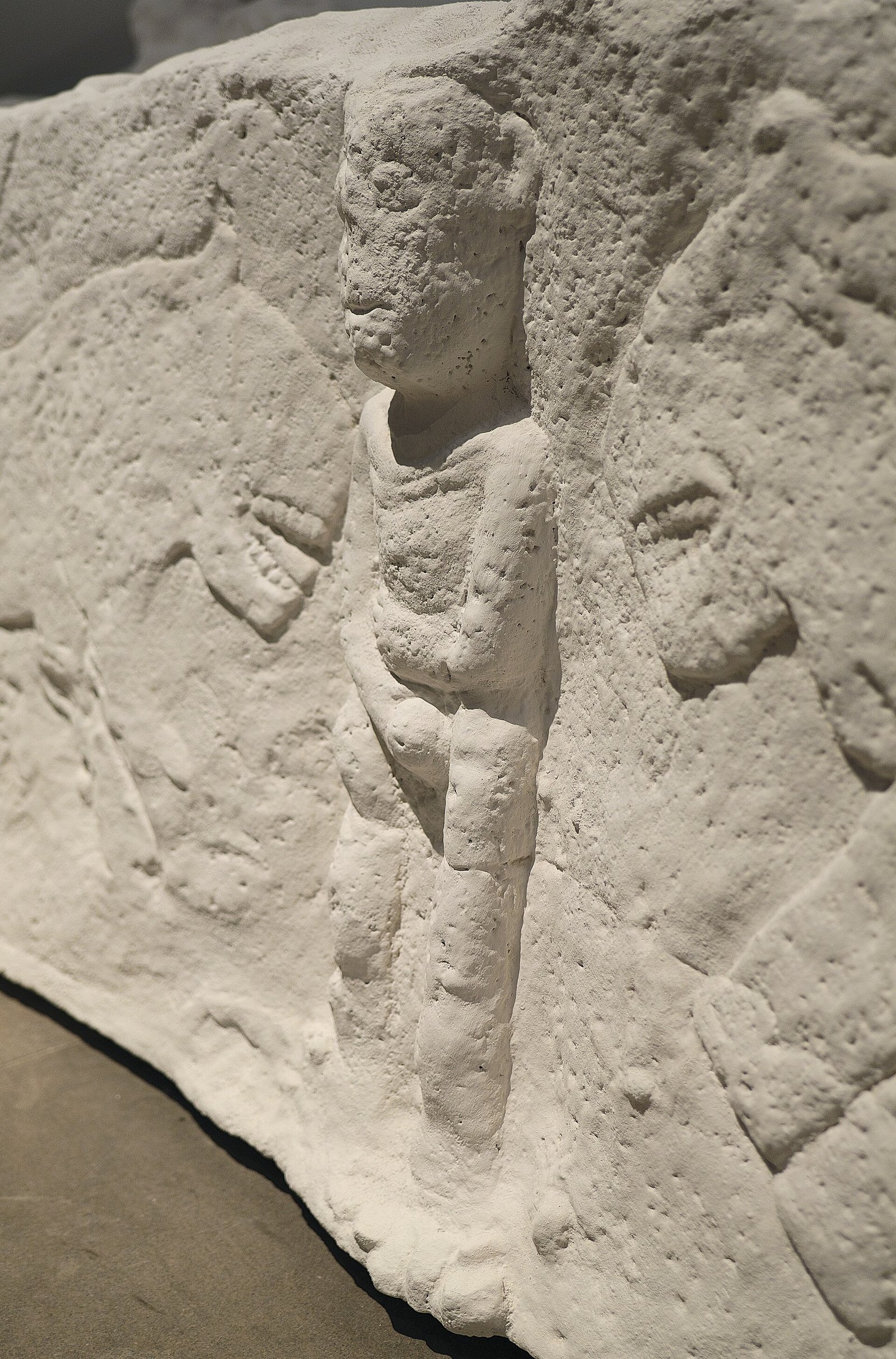
At Sayburç, the excavator Eylem Özdoğan describes something different again: the building's famous five-figure narrative relief was carved on the front face of an interior bench running parallel to the wall. Here the bench is the canvas — the surface chosen to carry the story. Seat, stage, altar, canvas: the same element, pressed into different service from site to site.
It even follows people home
The bench does not stay in the monuments. At Göbekli Tepe, Lee Clare notes that the later rectangular domestic buildings, the ones with hearths and T-pillars, also have benches — one reason he suggests ritual activity may have moved into household spaces as the big communal buildings went out of use.
That is the quiet significance of the bench. It links the grandest enclosure to the smallest late house, and it links Göbekli to Karahan to Sayburç. Whatever these rooms were for, the people who used them expected to sit, gather, place things, and watch — and they built that expectation into the wall.
Seat, stage, altar, canvas
What makes the bench such a rich pattern is that it is not always used the same way. At Göbekli Tepe it is a ledge that rings the room, structural and social at once — it helps hold the wall and it gives people somewhere to be. At Karahan Tepe, one building turns the bench into the entire point, with three curved, tiered benches rising around a central sculpture like an amphitheatre built for watching.
At Sayburç, the bench becomes a canvas: the building's famous five-figure narrative relief was carved onto the front face of an interior bench running parallel to the wall. And in Karahan's rock-cut Structure AB, the director Necmi Karul reports broken sculptures and stone objects deliberately set down on benches, as if the ledge were a place of display or offering. Seat, stage, altar, canvas — the same element pressed into different service from site to site.
From great enclosure to small house
The bench does not stay in the monuments. At Göbekli Tepe, Lee Clare notes that the later rectangular domestic buildings — the ones with hearths and their own T-pillars — also have benches, one reason he suggests ritual life may have moved into household spaces as the big communal buildings fell out of use. That is the quiet significance of this under-noticed feature: it links the grandest enclosure to the smallest late house, and it links Göbekli to Karahan to Sayburç. Across the Şanlıurfa region some twelve thousand years ago, whatever these rooms were for, the people who used them expected to sit, gather, place things and watch — and they built that expectation right into the wall.
What is uncertain
Calling the bench a 'seat' is already an interpretation; some stretches may have been for standing on, for display, or purely structural. Özdoğan's account of the Sayburç relief-bearing bench and Karul's account of objects placed on Karahan's benches draw on interviews and field reports as well as published work, and spoken positions may be refined in print.
What is firm is the recurrence: a low interior bench is a shared architectural element across the Taş Tepeler special buildings, from monumental to domestic.
Common questions
Do all Göbekli Tepe and Taş Tepeler buildings have benches? A low interior bench runs along the wall of almost every special building, from Göbekli Tepe's great enclosures to Karahan Tepe's rock-cut rooms and the relief building at Sayburç. It even appears in later domestic houses.
What were the stone benches used for? Not always the same thing — seating, display, and at Sayburç the surface for a carved narrative. At Karahan, broken sculptures were placed on benches as if for display or offering, so 'seat' is only part of the story.
Key takeaways
- One plain feature runs through almost every Taş Tepeler special building: a low stone bench along the inside of the wall.
- It is used differently everywhere — a seat at Göbekli, a tiered "amphitheatre" at Karahan, and the canvas for the narrative relief at Sayburç.
- At Karahan, broken sculptures were deliberately set down on benches, as if the ledge were a place of display or offering.
- The bench even follows people into later houses, linking the grandest enclosure to the smallest domestic building.
Sources
- Özdoğan, E. (2022). The Sayburç reliefs: a narrative scene from the Neolithic. Antiquity 96(390).
- Karul, N. (2021). Buried Buildings at Pre-Pottery Neolithic Karahantepe. Türk Arkeoloji ve Etnografya Dergisi 82.
- DAI Tepe Telegrams — A sanctuary, or so fair a house? (architecture of the buildings)
This article is written from the primary literature and excavators' reports cited above. Interpretations are attributed; uncertainties are stated in the text.