The temptation of a single object
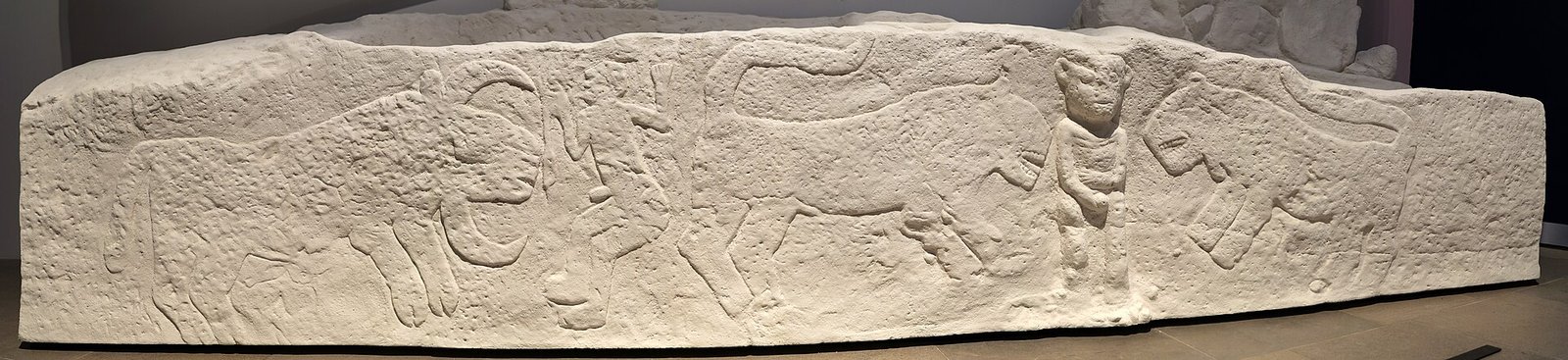
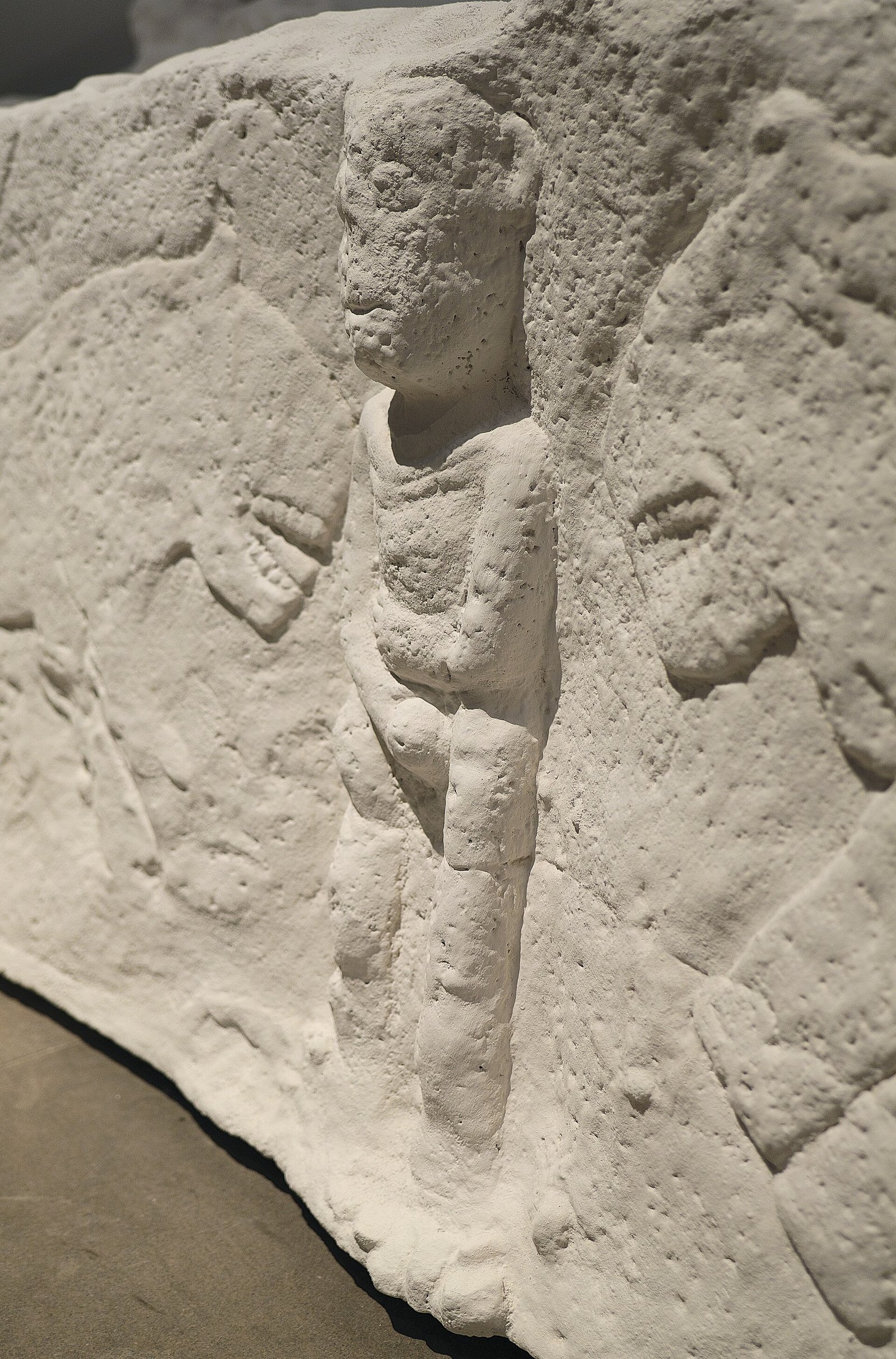
A striking image is an invitation to over-read it. A man gripping two leopards; a squatting figure holding a snake before a charging bull. Detached from everything around them, carvings like the ones at Sayburç have been pressed into service as star maps, calendars, proof of a lost civilisation, or messages from elsewhere. The images are old and powerful, and the internet is happy to supply the story.
The archaeologist who actually excavated them takes the opposite approach, and says so plainly.
What the excavator actually says
Dr Eylem Özdoğan (Istanbul University), who excavates Sayburç and published its relief in the journal Antiquity in 2022, stresses that this imagery has to be interpreted through its archaeological context — the building it was carved in, the layer it was found in, the objects and structures around it. Her warning, given in interview and lecture material and echoed in the tone of her published discussion, is direct: isolated objects — a carving considered on its own, cut loose from its findspot — are exactly what produce false and sensational explanations.
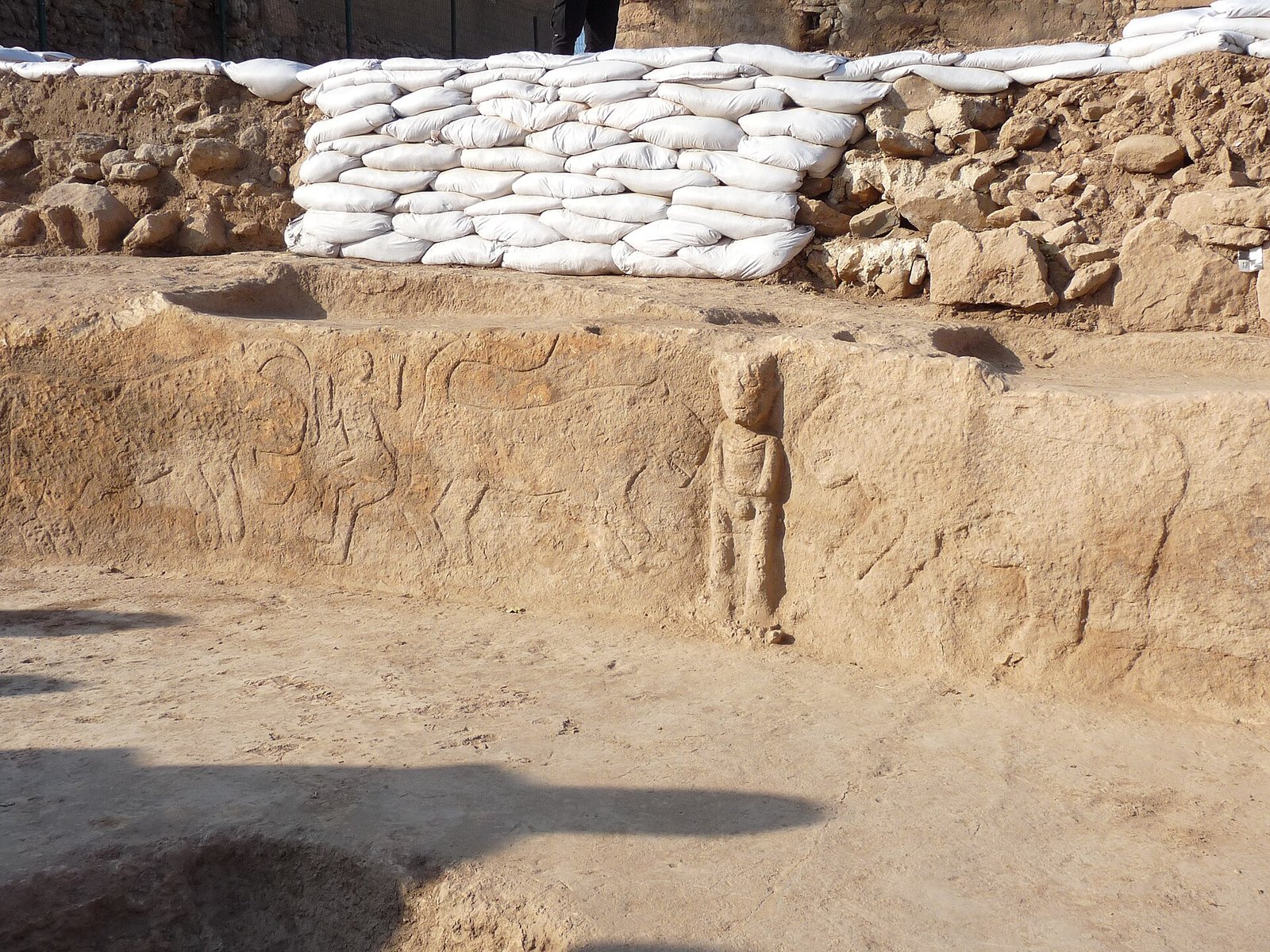
It is worth seeing why the Sayburç relief resists that treatment. It was not a loose spectacular object bought on a market or dug out of rubble. It was found in place, carved on the front of a bench inside a known round building, in a dated deposit, alongside ordinary domestic life. That is what turns it from an inkblot into evidence.
Two directors, one discipline
The point is not Özdoğan's alone. Prof. Necmi Karul, who directs Karahan Tepe and the wider Taş Tepeler project, makes the parallel argument at the regional scale: he cautions against treating even Göbekli Tepe as an isolated wonder, insisting that its evidence has to be understood within a broader regional horizon of related sites rather than as a one-off miracle.
So both flagship directors reach for the same reflex from different directions. Özdoğan: don't read a carving without its building. Karul: don't read a site without its region. In each case the discipline is to resist the single dazzling thing and put it back among its neighbours.
Why it matters
This is the quiet antidote to the pseudo-archaeology that clusters around Taş Tepeler. The reason Sayburç matters is not that one carving is spectacular — plenty of loose objects are — but that a spectacular carving was recovered with its context intact, which is rare and precious. Strip that away and you are left with a picture you can project anything onto.
It is also a useful test for the reader. When a claim about these sites rests on a single image detached from where it was found, the excavators' own method suggests treating it with caution.
Why context is the quiet hero of the story
It is worth spelling out what 'context' actually means for a dig like Sayburç. When archaeologists talk about context they mean the whole web of information recorded around an object: the building it sat in, the layer of soil it came from, the other finds beside it, and the dated deposits that fix it in time. A carving pulled loose from all of that becomes an inkblot — you can project any story onto it. The same carving, recorded where it was found, becomes a piece of evidence you can test.
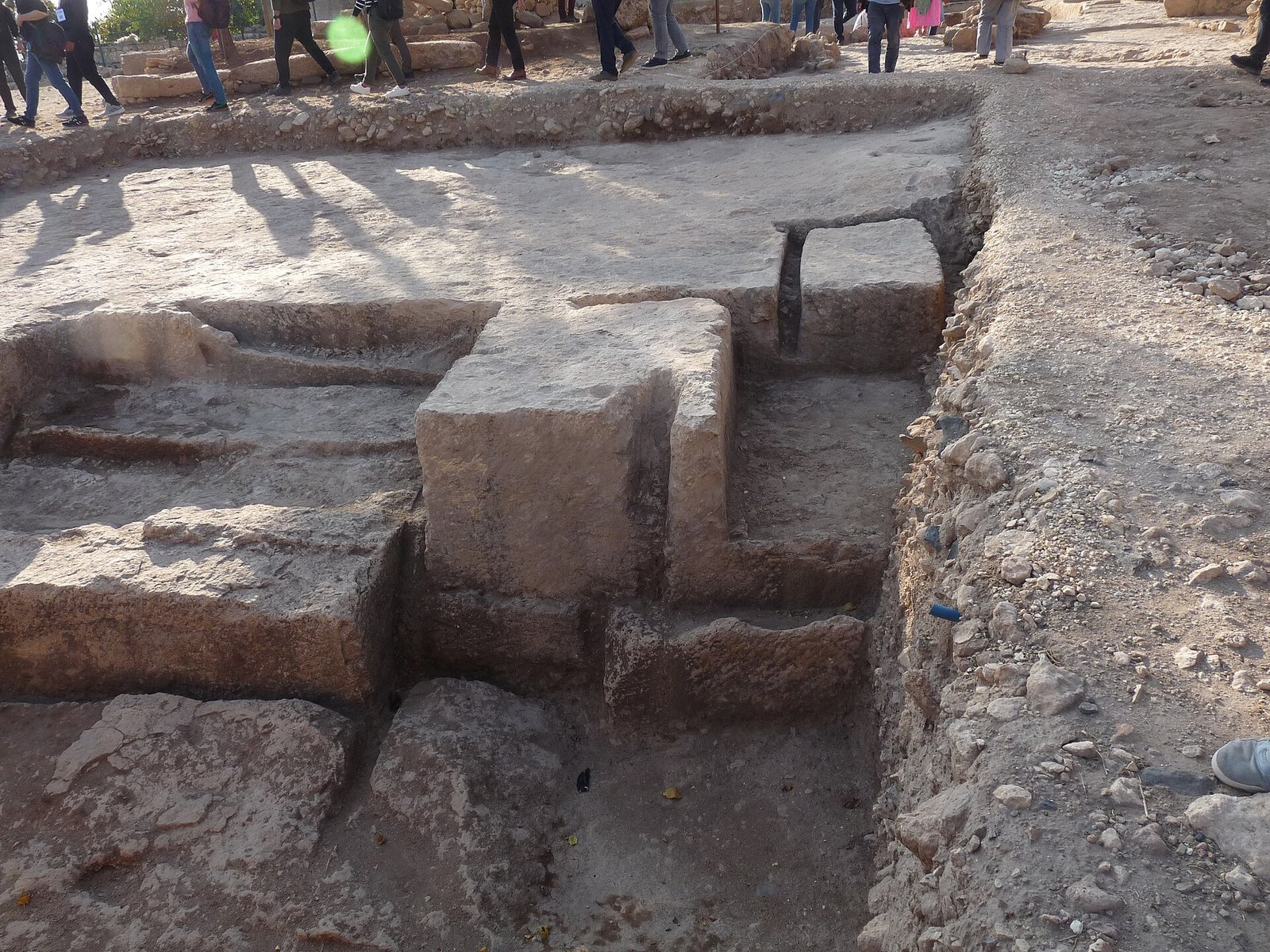
Sayburç is a Pre-Pottery Neolithic village in the Şanlıurfa region of southeastern Türkiye, roughly eleven thousand years old, and its famous relief was never a chance discovery on the antiquities market. It was cut into the front of a stone bench that runs around the inside of a round communal building, in a settlement full of ordinary domestic life. That setting is precisely what lets researchers argue it is a scene rather than a random grouping — and precisely what a sensational reading throws away.
A test you can use yourself
The excavators' discipline doubles as a practical filter for readers. When you meet a bold claim about Taş Tepeler — that a single carving is a calendar, a map of the stars, or proof of a vanished civilisation — notice whether the claim leans on one dazzling image cut loose from where it was found. If it does, the people who actually dig these sites would treat it with caution, and so can you.
None of this means the images are dull or that everything is settled. Özdoğan is careful to claim only that the relief is a scene, not that she can read the story it tells. The point is narrower and more useful: put the single striking thing back among its neighbours, and let the evidence, rather than the imagination, set the limits of what can be said.
What is uncertain
The boundary between a cautious reading and simply saying we do not know is itself where specialists argue — context disciplines interpretation but does not hand over the meaning of a lost image. Özdoğan is careful to claim the relief is a scene, not to claim she can read the story it tells.
These are methodological positions from interviews and lectures (Özdoğan on Sayburç, Karul on reading sites regionally), alongside the discussion in Özdoğan's 2022 paper. They may be stated more fully in print, and spoken positions may be refined there.
Common questions
Why can't you interpret a Neolithic carving on its own? Detached from its findspot, an image can be read almost any way you like, which is exactly how false and sensational explanations arise; the context — building, layer, surrounding finds — is what turns it into evidence.
What makes the Sayburç relief different? It was not a loose object from a market or rubble but was found in place, carved on the front of a bench inside a known round building in a dated deposit, alongside ordinary domestic life.
What does Necmi Karul add to the point? At the regional scale he cautions against treating even Göbekli Tepe as an isolated wonder, insisting its evidence be understood within a broader horizon of related sites rather than as a one-off miracle.
Key takeaways
- A striking carving lifted from its findspot can be made to 'prove' almost anything — star maps, lost civilisations, messages from elsewhere.
- The Sayburç relief resists that because it was recovered in place, on a bench inside a dated building, alongside everyday life.
- Both flagship directors share the reflex: Özdoğan won't read a carving without its building; Karul won't read a site without its region.
- The honest test: be cautious when a claim rests on a single image detached from where it was found.
Sources
- Antiquity 96(390), 2022 — Eylem Özdoğan, 'The Sayburç reliefs: a narrative scene from the Neolithic' (Cambridge Core)
- Taş Tepeler (official project) — Sayburç
This article is written from the primary literature and excavators' reports cited above. Interpretations are attributed; uncertainties are stated in the text.