What was found
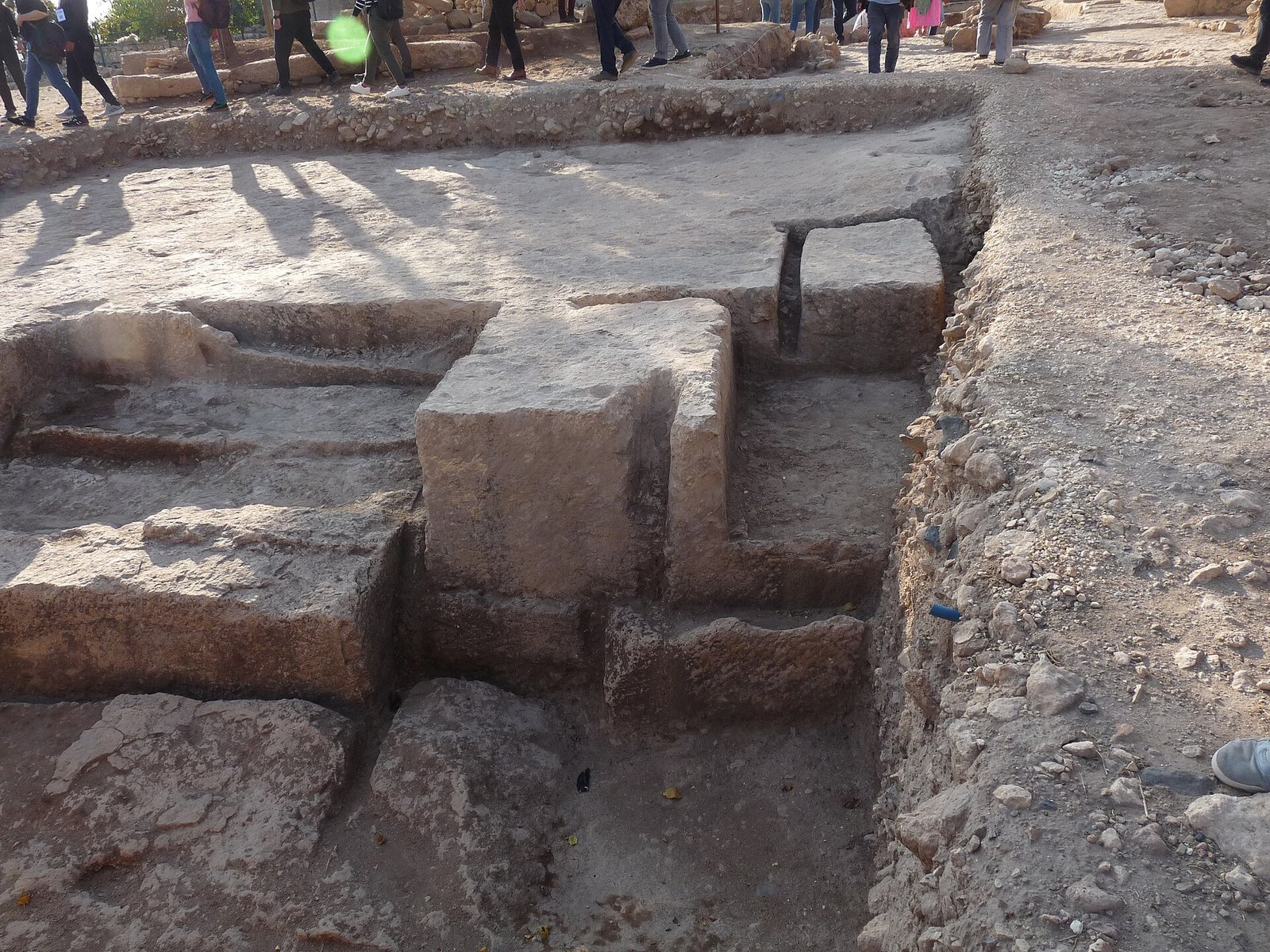
Excavators at Sayburç, in Şanlıurfa, have uncovered more than fifty Neolithic buildings — a dense settlement roughly 10,500 years old (late PPNA into early PPNB, radiocarbon in the region of 8650–8300 BCE). Work at the site has run since 2021 under Assoc. Prof. Eylem Özdoğan of Istanbul University.
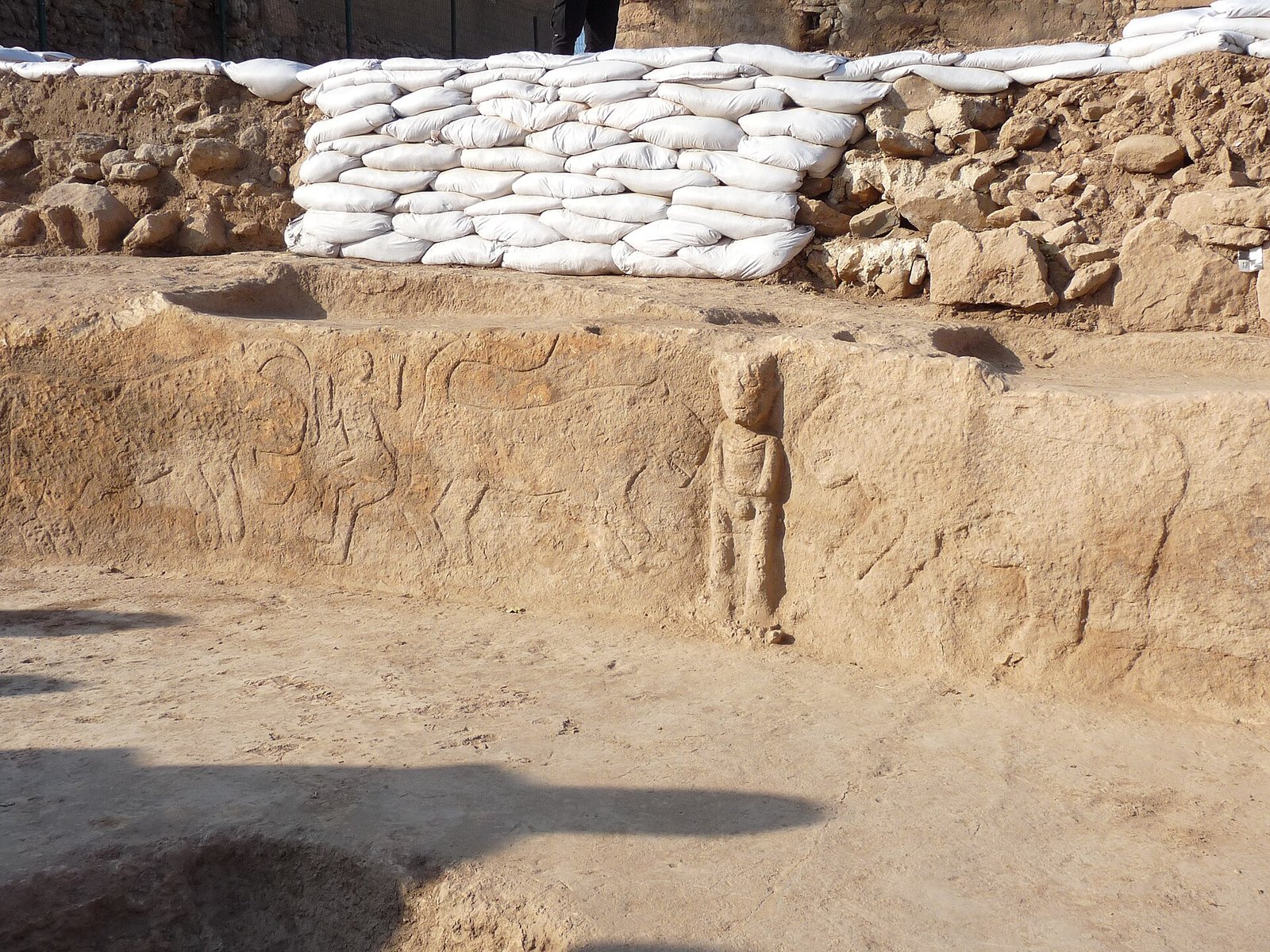
Many of the buildings still hold T-shaped pillars, the stylised human forms that define this culture. What makes Sayburç unusual is where they stand: not only in special communal buildings, but inside ordinary houses.
Why houses-with-pillars matters
At Göbekli Tepe the famous T-pillars stand in monumental enclosures — spaces usually read as ritual, set apart from daily life. Sayburç complicates that neat division.
Here the excavators find hearths, benches, platforms and work areas — the equipment of everyday life — in the same settlement as the pillars, and the pillars themselves in both kinds of space. Single pillars tend to appear in houses; public buildings carry several, ranged along walls or standing centrally.
"Sayburç allows us to see both everyday activities and the ceremonial aspects of Neolithic life in one place," Özdoğan has said. The symbolism, in other words, was not quarantined in temples. It lived in the house.
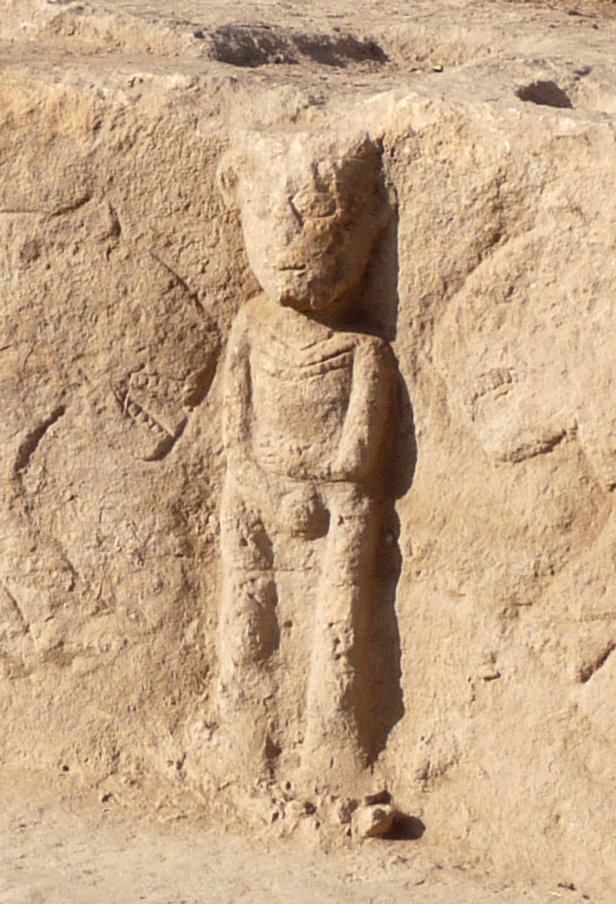
Frantisek Trampota, Sayburç excavation (central figure), CC BY-SA 4.0, via Wikimedia Commons.
A settlement caught mid-change
Sayburç records a roughly 300-year occupation across a pivotal moment: the shift from round buildings to rectangular ones. That change tracks a larger one — mobile groups settling into permanent communities with more complex social structure.
It is the kind of continuous, layered sequence that Göbekli Tepe's monumental enclosures do not offer, which is part of why a comparatively quiet site like Sayburç carries so much weight.
When the symbolic moved into the house
The neat old division at Taş Tepeler set ritual apart from daily life: the great T-pillars belonged to monumental enclosures, spaces people gathered in rather than lived in. Sayburç complicates that picture in a single stroke. Here the excavators find the equipment of everyday life — hearths, benches, platforms and work areas — in the same settlement as the pillars, and the pillars themselves in both kinds of space. Single pillars tend to stand in houses; public buildings carry several, ranged along the walls or placed centrally.
As Özdoğan has put it, Sayburç lets us see the everyday and the ceremonial aspects of Neolithic life in one place. The symbolism, in other words, was not sealed off in temples. It lived in the house — which makes a comparatively quiet site unusually valuable for understanding how these people actually lived.
A village caught mid-change
Sayburç is a Pre-Pottery Neolithic village in the Şanlıurfa region of southeastern Türkiye, and part of its weight comes from the kind of record it offers: a roughly 300-year occupation laid down across a pivotal moment. Within that span the settlement shifts from round buildings to rectangular ones — a change that tracks a much larger one, from mobile groups moving through the landscape toward permanent communities with more complex social structure.
That continuous, layered sequence is something the monumental enclosures of Göbekli Tepe do not readily offer. It is why a dense village of more than fifty buildings, houses and communal structures side by side, carries so much interpretive weight: it catches a community in the act of settling down, with the sacred and the everyday standing next to each other rather than in separate worlds.
Fifty buildings is the scale of a village rather than a single shrine, and that scale is a large part of why Sayburç matters for understanding how these communities actually lived.
What is uncertain
These figures come from field reporting through Anadolu Agency and the excavation team, not yet a full published excavation report. The building count, the ~10,500-year age and the 300-year span are strong working figures that peer-reviewed publication may refine.
Reading pillars-in-houses as evidence that ritual and domestic life were fused is an interpretation — a well-supported one, but an argument rather than a measurement.
Common questions
What was found at Sayburç? More than fifty Neolithic buildings of a dense settlement roughly 10,500 years old, many still holding T-shaped pillars, excavated since 2021 under Eylem Özdoğan.
Why do 'houses with pillars' matter? At Göbekli Tepe the T-pillars stand in monumental enclosures usually read as ritual; at Sayburç single pillars appear inside ordinary houses too, so the symbolic and the everyday shared one settlement.
What change does Sayburç record? Across roughly 300 years it captures the shift from round buildings to rectangular ones — part of the larger move from mobile groups toward permanent communities with more complex social structure.
Key takeaways
- Sayburç has yielded more than fifty buildings of a dense settlement about 10,500 years old — a village, not just a shrine.
- Its T-shaped pillars stand in ordinary houses as well as communal buildings, so the symbolism was not quarantined in temples.
- Everyday equipment — hearths, benches, platforms, work areas — sits in the same settlement as the pillars.
- Its ~300-year sequence catches a pivotal shift from round to rectangular buildings, tracking mobile groups settling into permanent communities.
Sources
- Arkeonews — 50 Neolithic structures found in Sayburç (7 September 2025)
- Anatolian Archaeology — Sayburç roughly 10,500-year-old settlement, over 50 structures
This article is written from the primary literature and excavators' reports cited above. Interpretations are attributed; uncertainties are stated in the text.