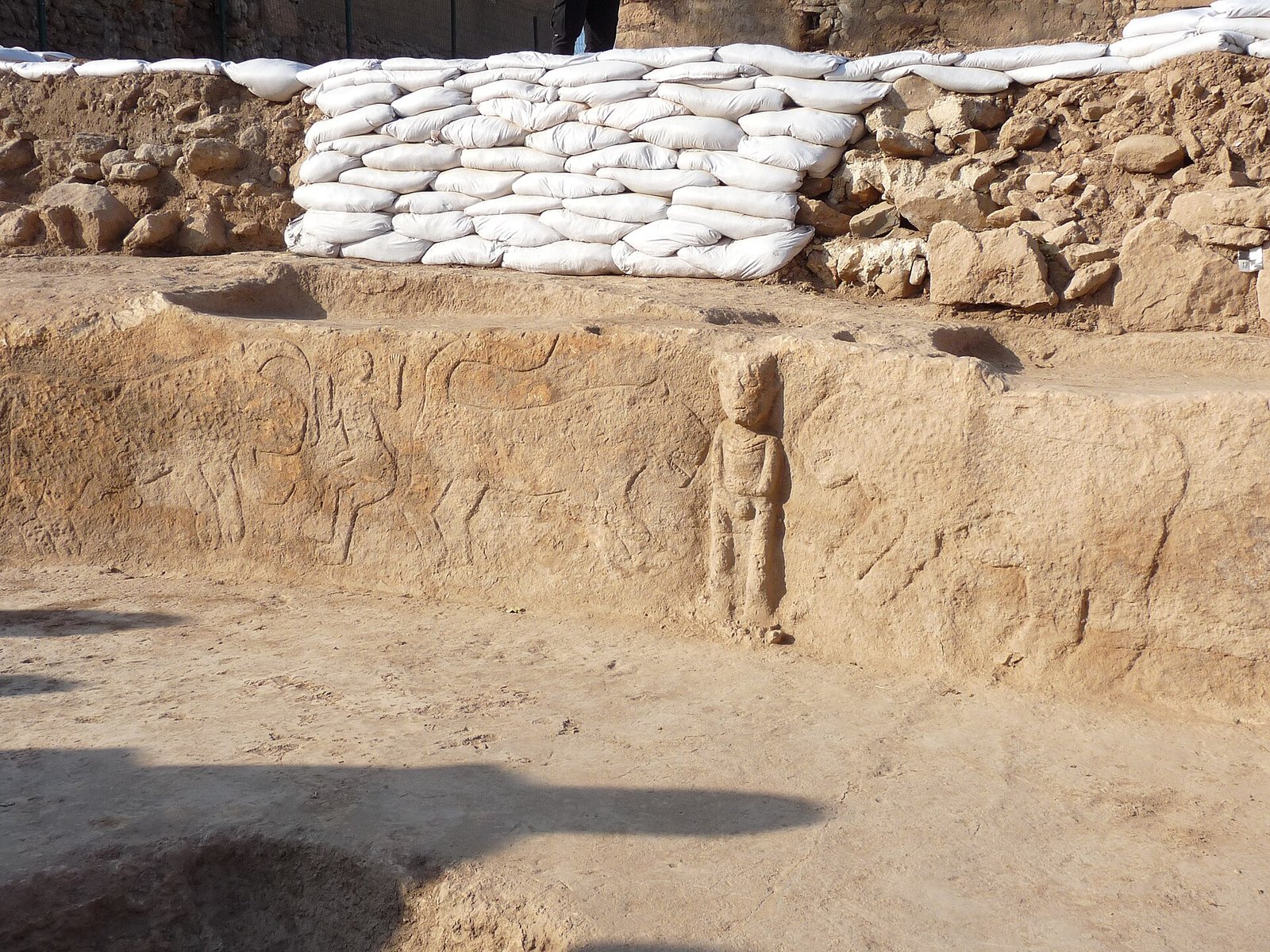
Not a graveyard, but the house itself
Where a community puts its dead says a great deal about it. At Sayburç, the answer — set out in Eylem Özdoğan's 2024 report — is unexpectedly intimate: the dead were kept inside the houses. Three clusters of human remains have been found so far, all in the southern part of the settlement, and every one of them lay within a domestic building. There is, as yet, no sign of a separate cemetery.
That places Sayburç in a Neolithic pattern where the boundary between the living and the dead was thin, and where ancestors — or at least their bones — remained part of the household.
Burnt, and chosen
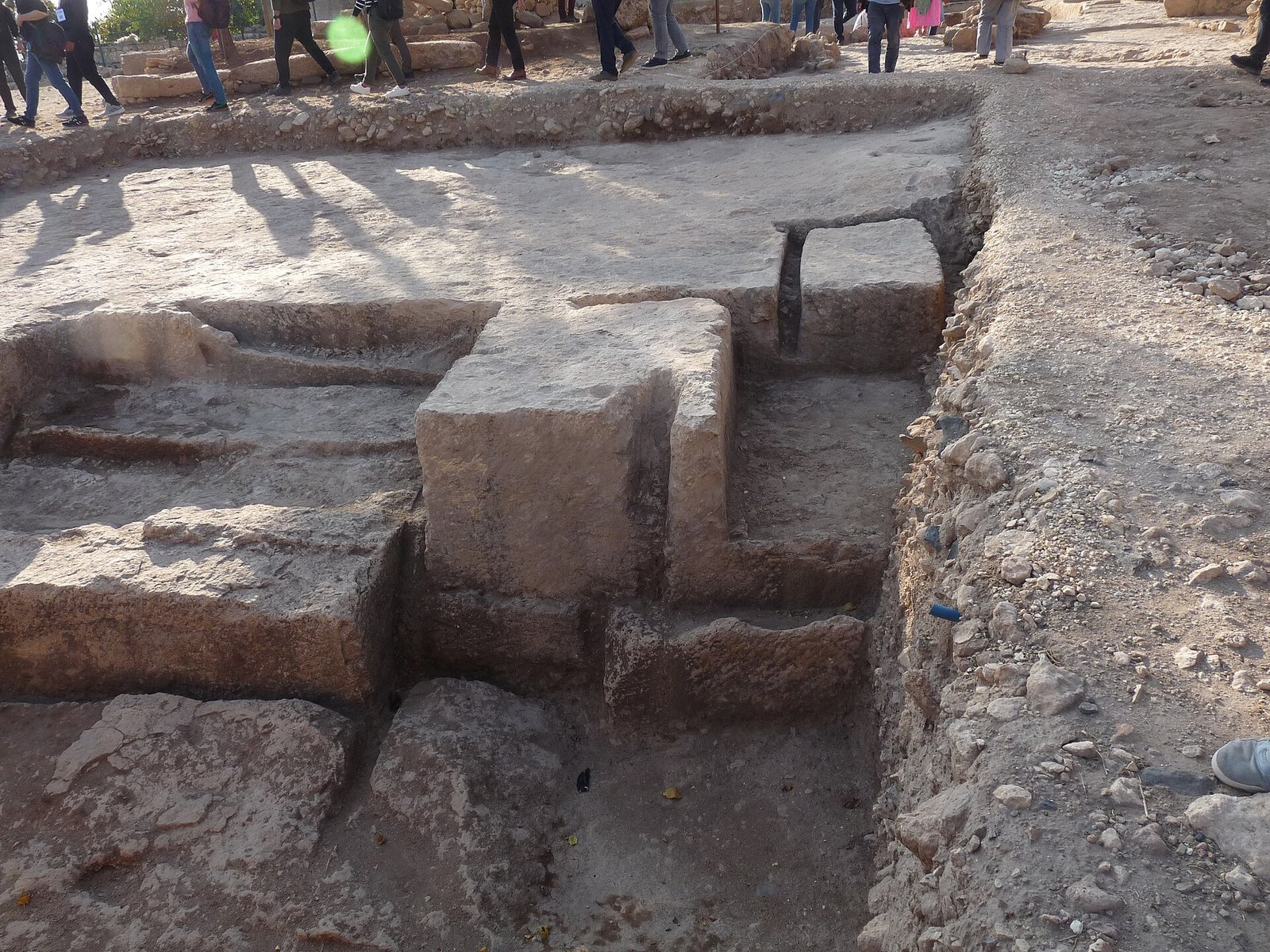
Two things stand out about how the bones were treated. First, they are all secondary burials: the bones were gathered and placed after the body had already broken down, not laid out fresh. Second, they had all been burnt — every cluster shows signs of burning.
And they are selected bones, not whole people. Across the clusters it is the long bones and skull fragments that were kept and placed within the structures — the large, recognisable, symbolically loaded parts of the skeleton. One cluster held the remains of six individuals, their bones severely burnt.
Sealed in the wall
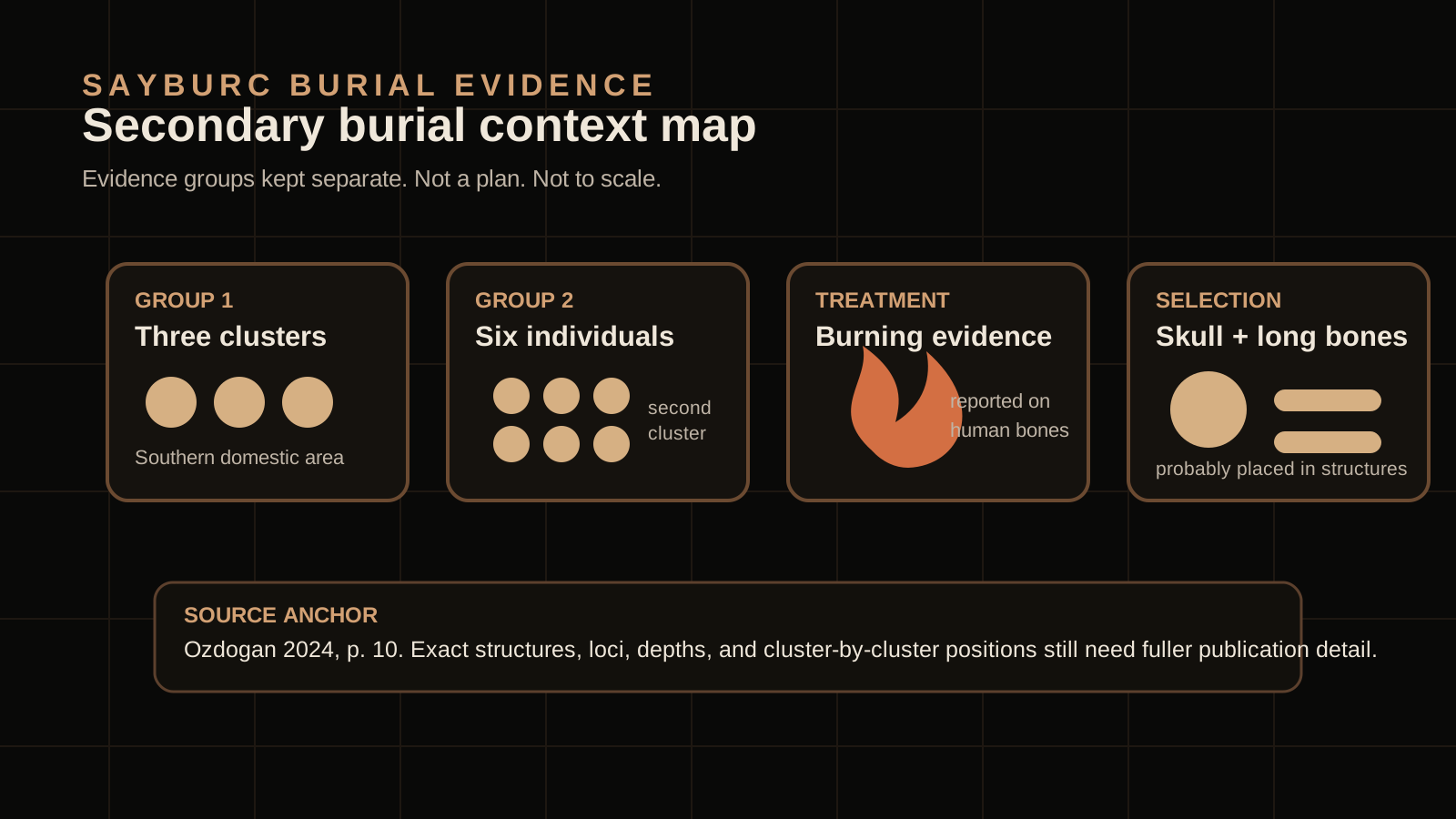
The placements are deliberate. One group of long bones and skull fragments was reburied in a niche in a house wall — set at the point where the wall turns — and then the front of the niche was plastered over, sealing the bones inside the fabric of the building. Another cluster was excavated from within the walls themselves, just beneath the surface. A third lay on the northern side of a dwelling, in front of a bench.
Walls, niches and benches: the dead were not simply buried under a floor and forgotten, but built into the parts of the house people lived against every day.
Why it fits the region
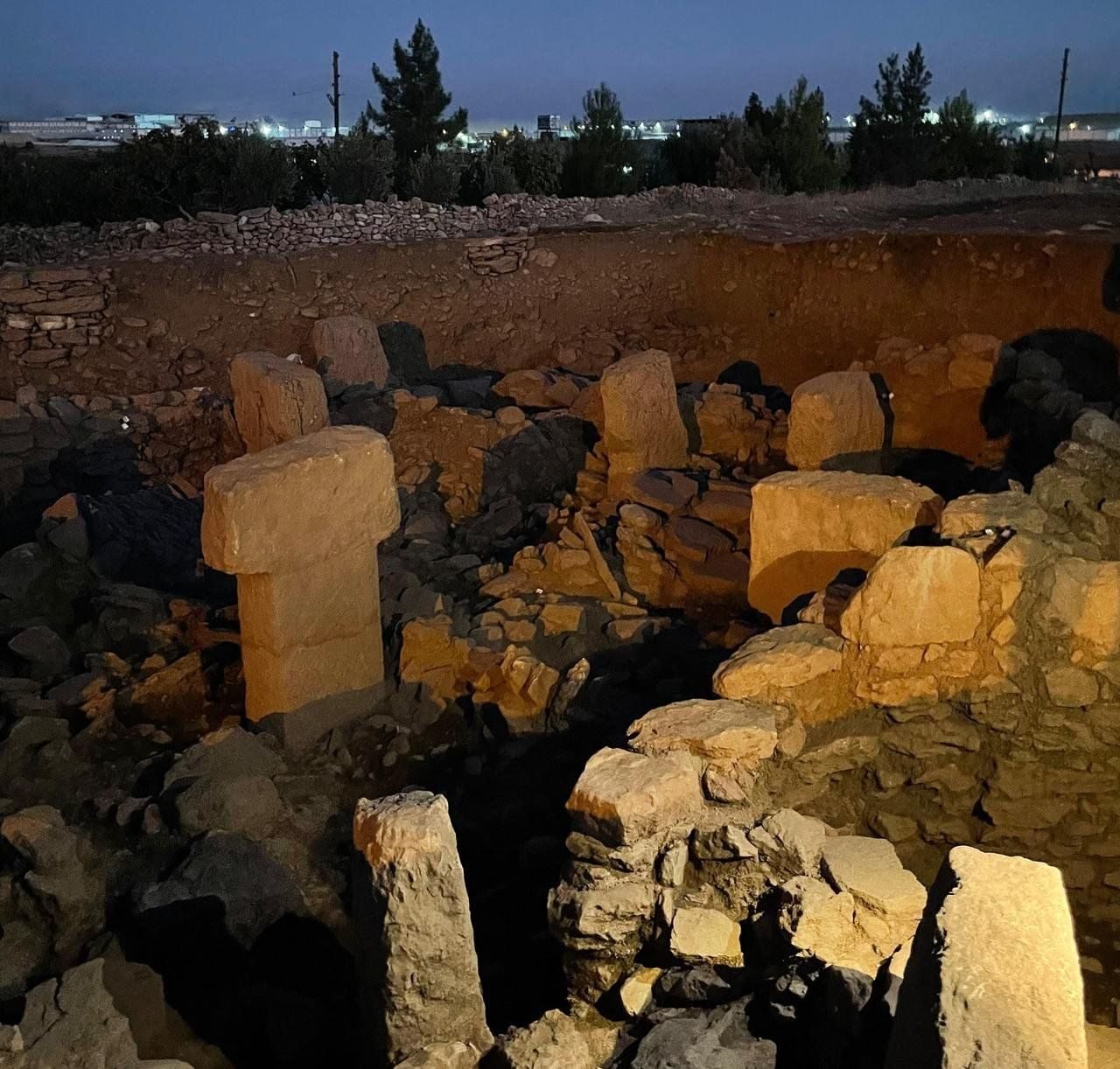
Sayburç's treatment of the dead belongs to one of the strongest threads running through the whole Taş Tepeler world: an intense concern with the human head and with selected bones. Göbekli Tepe produced skull fragments with cut-marks and a drilled hole; Karahan Tepe has a head carved from the living rock; Sefertepe gathered skulls into a chamber. At Sayburç the same preoccupation takes the form of burnt, secondary burials of long bones and skulls, kept inside the home.
The specifics differ from site to site, but the underlying idea — that certain bones, above all the skull, were kept, moved and curated rather than simply laid to rest — is remarkably consistent across the plateau.
What is uncertain
This is a preliminary report, and Özdoğan is explicit that much is still being studied. The number of individuals, their age and sex, and the fine detail of how the bones were treated are not yet fully understood, and only part of the site has been excavated. So the human story behind the bones — who these people were, and why these particular ones were kept — is still open.
The burning, too, is described rather than explained: we can say the bones were burnt, but not whether that was cremation, an accident of an earlier fire, or a deliberate stage in the funeral. What is firmly established is the pattern — secondary burial, selected long bones and skulls, burnt, placed within the dwellings — and that it ties Sayburç to the region's wider concern with the dead.
Common questions
Where are the dead buried at Sayburç? Not in a cemetery, but inside the houses. All three clusters of human remains found so far lie within domestic buildings in the southern part of the site — in walls, a niche and in front of a bench.
What kind of burials are they? Secondary burials: the bones were gathered and placed after the body had decayed. They consist of selected long bones and skull fragments, all showing signs of burning, and one cluster held six individuals.
What does 'sealed in the wall' mean? One set of bones was placed in a niche where a house wall turns, and the front of the niche was then plastered over — closing the bones inside the wall of the building.
How does this compare to Göbekli Tepe? It belongs to the same regional concern with the head and with selected bones — Göbekli's skull fragments, Karahan's carved head, Sefertepe's gathered skulls — expressed at Sayburç as burnt secondary burials kept inside the home.
Key takeaways
- At Sayburç the dead were kept inside the houses, not a cemetery — all three clusters found so far lie within domestic buildings.
- Every burial is secondary and shows burning, and it is selected bones — long bones and skulls — rather than whole skeletons.
- One set was sealed in a wall niche and plastered over; one cluster held six severely burnt individuals.
- It ties Sayburç to the wider Taş Tepeler obsession with the head and curated bones, seen at Göbekli, Karahan and Sefertepe.
Sources
- Özdoğan, E. (2024). Sayburç: a mid-9th millennium BC site in the foothills of the Eastern Taurus. Documenta Praehistorica 51.
- Göbekli Tepe skull cult — the human head in the Taş Tepeler Neolithic (background)
This article is written from the primary literature and excavators' reports cited above. Interpretations are attributed; uncertainties are stated in the text.