What was found
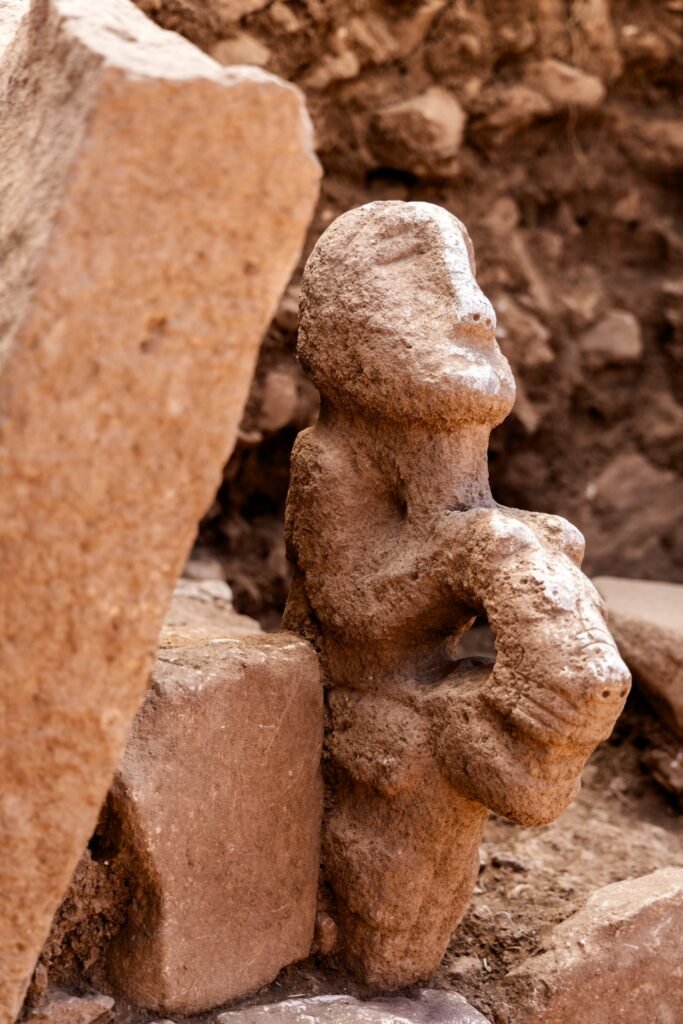
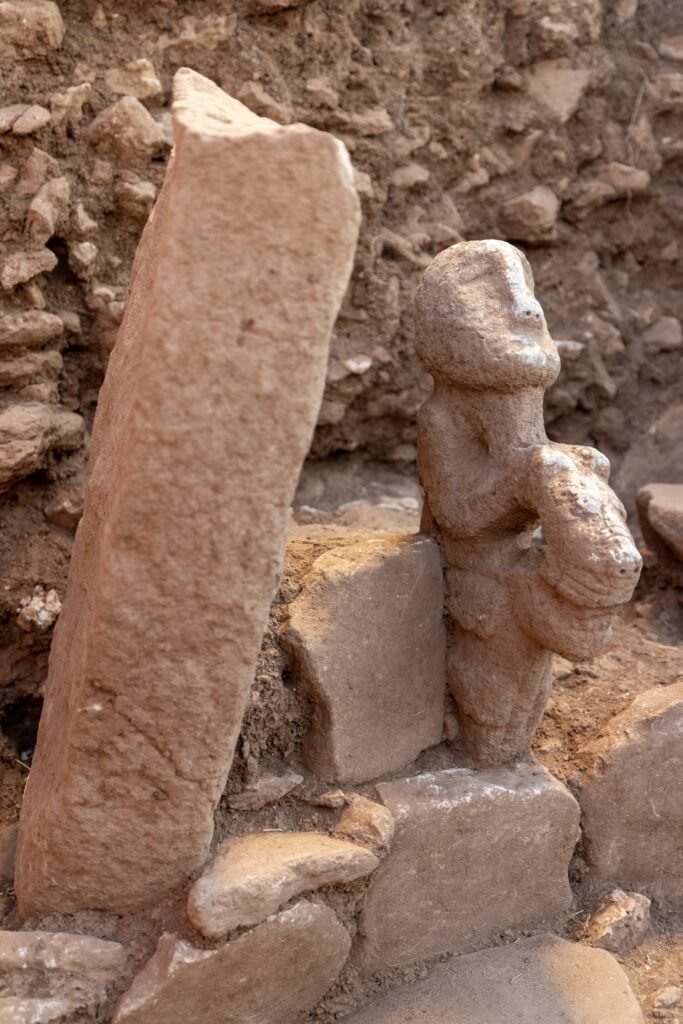
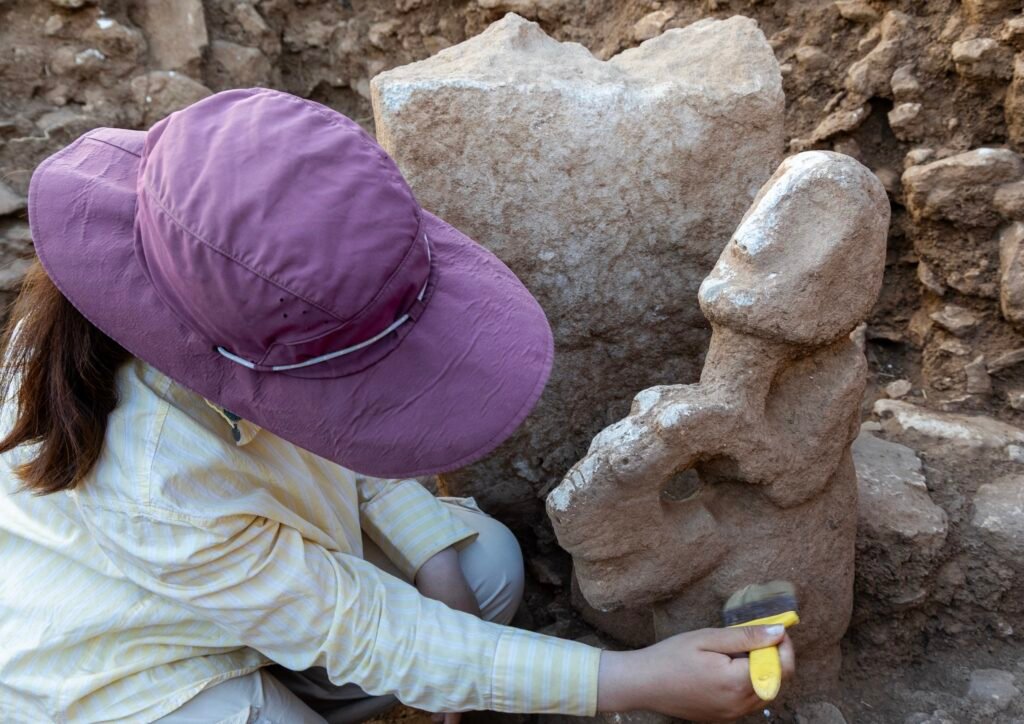
In the 2026 excavation season at Karahan Tepe, part of the Turkish Ministry of Culture and Tourism's 'Heritage for the Future' programme, excavators uncovered a composite sculpture about 70 cm high showing a human figure seated on the back of a leopard. It dates to roughly 11,000 years ago.
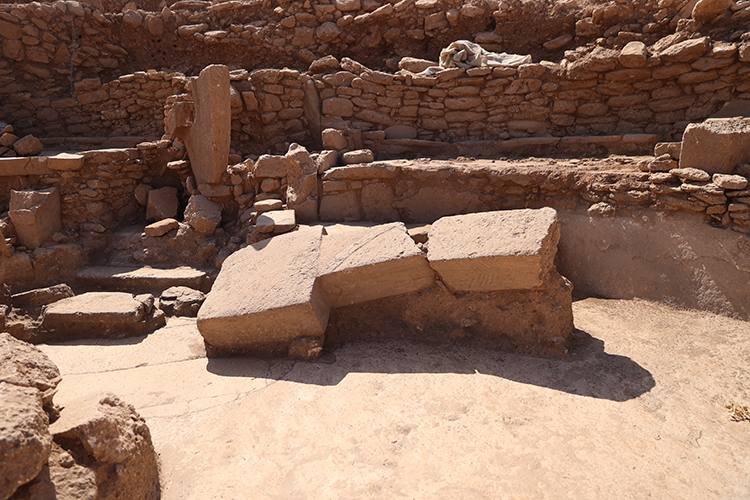
It was found in place: resting on a bench that runs along the wall of a small circular building about 3 metres across, its floor paved with flat stones. That findspot matters — the statue was not in rubble or fill, but set on a bench inside a room, where someone in the Neolithic left it.
A person and a predator, fused
Karahan Tepe and its neighbours are full of leopards, and full of human figures, but an image that puts a human directly onto a leopard's back collapses the distance between them. It is not a person hunting a beast or fleeing one; it is a person mounted on one — carried, joined, or identified with it.
What that meant to the people who carved it is unknown, and worth being honest about. But the image belongs to the same world as the Sayburç relief, where a man grips leopards on either side, and the many Taş Tepeler scenes in which humans and dangerous animals are locked together. This is a new, unusually direct statement of that theme.
Why it matters
This is a 2026-season find, announced as it came out of the ground — not a museum piece being re-described. Culture and Tourism Minister Mehmet Nuri Ersoy announced it directly, saying: 'I believe this discovery, which opens the door to new questions about the earliest periods of human history, will have a wide impact in the scientific community.'
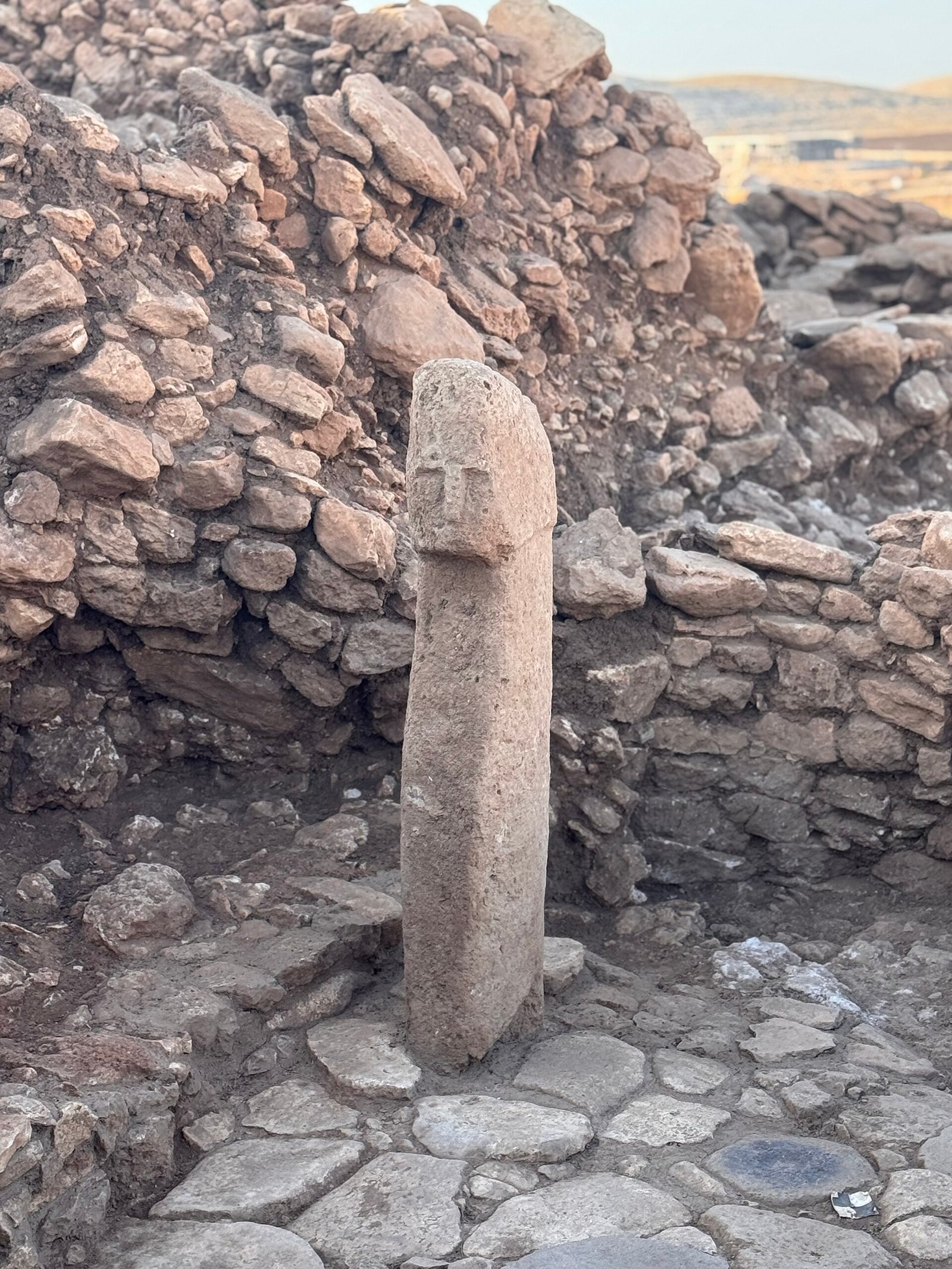
For a site already known for its carved heads and seated figures, a human-on-leopard sculpture adds a new composition to the Karahan Tepe repertoire — and a reminder that the ground here is still producing images no one had seen before.
A composition new to Karahan Tepe
Karahan Tepe sits in the Tek Tek Mountains of the Şanlıurfa region, about 35 km east of Göbekli Tepe, and belongs to the same Pre-Pottery Neolithic world roughly 12,000 years old. Its carved stone is full of leopards, and full of human figures — but almost always kept apart, the big cat on one surface and the person on another.
What makes this small sculpture stand out is that it collapses that distance. A human is placed directly onto a leopard's back: carried, joined, or in some sense identified with the animal. It is not a hunting scene and not an escape. For a site already known for its carved heads and seated figures, a human-on-leopard piece adds a new composition to the repertoire — a reminder that the ground here is still producing images no one had seen before.
Why the findspot matters
Context is half the value of a find like this. The statue was not scattered in the deliberate fill that buries so much of these sites; it was resting on a bench that runs along the wall of a small, flat-paved circular room. Someone in the Neolithic set it there.
That kind of in-place discovery lets excavators ask where such an object belonged and how it was used, rather than only what it depicts. As with everything announced straight from the trench, the account so far is the excavation team's first reading, and the meaning of a person riding a predator remains, honestly, interpretation.
What is uncertain
This is a fresh field announcement, made via the minister rather than through a published report. The height, dating and context are the excavation's initial account and may be refined. No peer-reviewed description exists yet, and the interpretation of the human-and-leopard image is exactly that — interpretation.
We will update this page as the excavation team publishes its own account.
Common questions
How old is the human-on-leopard statue? About 11,000 years old, uncovered during Karahan Tepe's 2026 excavation season.
Where was it found? In place on a bench running along the wall of a small circular building roughly 3 metres across, its floor paved with flat stones — not in rubble or fill.
Has it been published in a study? Not yet. It was announced as a field find via the culture minister; no peer-reviewed description exists, so its dating and interpretation may still be refined.
Key takeaways
- The statue fuses a person and a predator into one image — a human mounted on a leopard, not hunting it or fleeing it.
- It was found in place on a bench, where someone set it down in the Neolithic, not tumbled in rubble or fill.
- The piece belongs to the same world as the Sayburç relief, where a man grips leopards on either side.
- Because it was announced as it came out of the ground, the height, date and context are initial figures that may be refined.
Sources
- Daily Sabah — 11,000-year-old sculpture unearthed at Türkiye's Karahantepe (25 August 2026)
- Anatolian Archaeology — 11,000-year-old statue at Karahantepe shows a human sitting on a leopard
This article is written from the primary literature and excavators' reports cited above. Interpretations are attributed; uncertainties are stated in the text.