What the analysis found
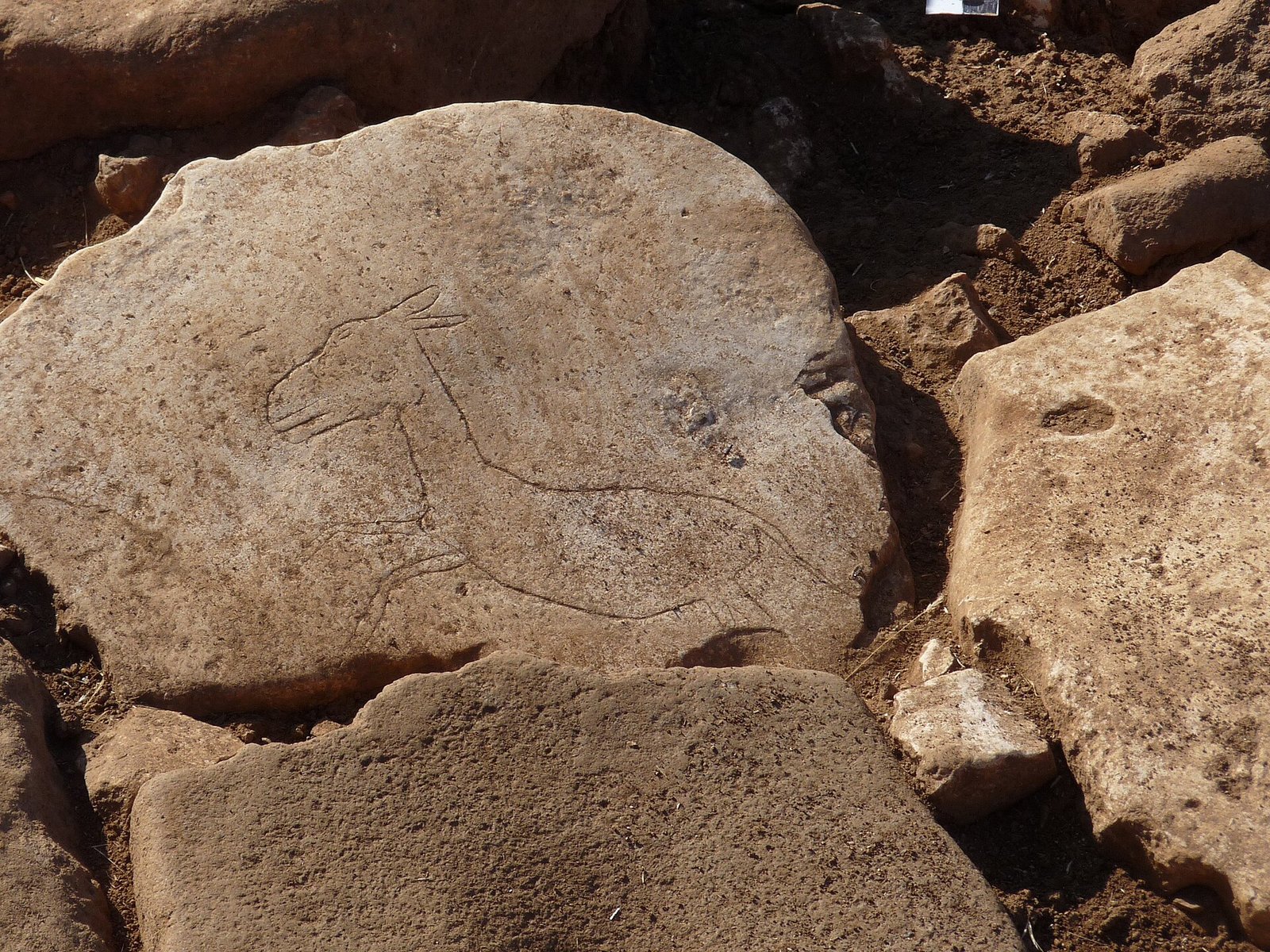
Working through the previous season's material in the lab and archive, the Karahan Tepe team has built up a picture of the local diet around 12,000 years ago. The headline is gazelle: strong evidence that the people here relied heavily on gazelle meat as their main source of protein.
Project director Prof. Necmi Karul notes the same signal appears at neighbouring Göbekli Tepe — though Göbekli's animal remains span a wider range of species from different ecological zones. Karahan's meat diet looks, so far, more narrowly focused on gazelle.
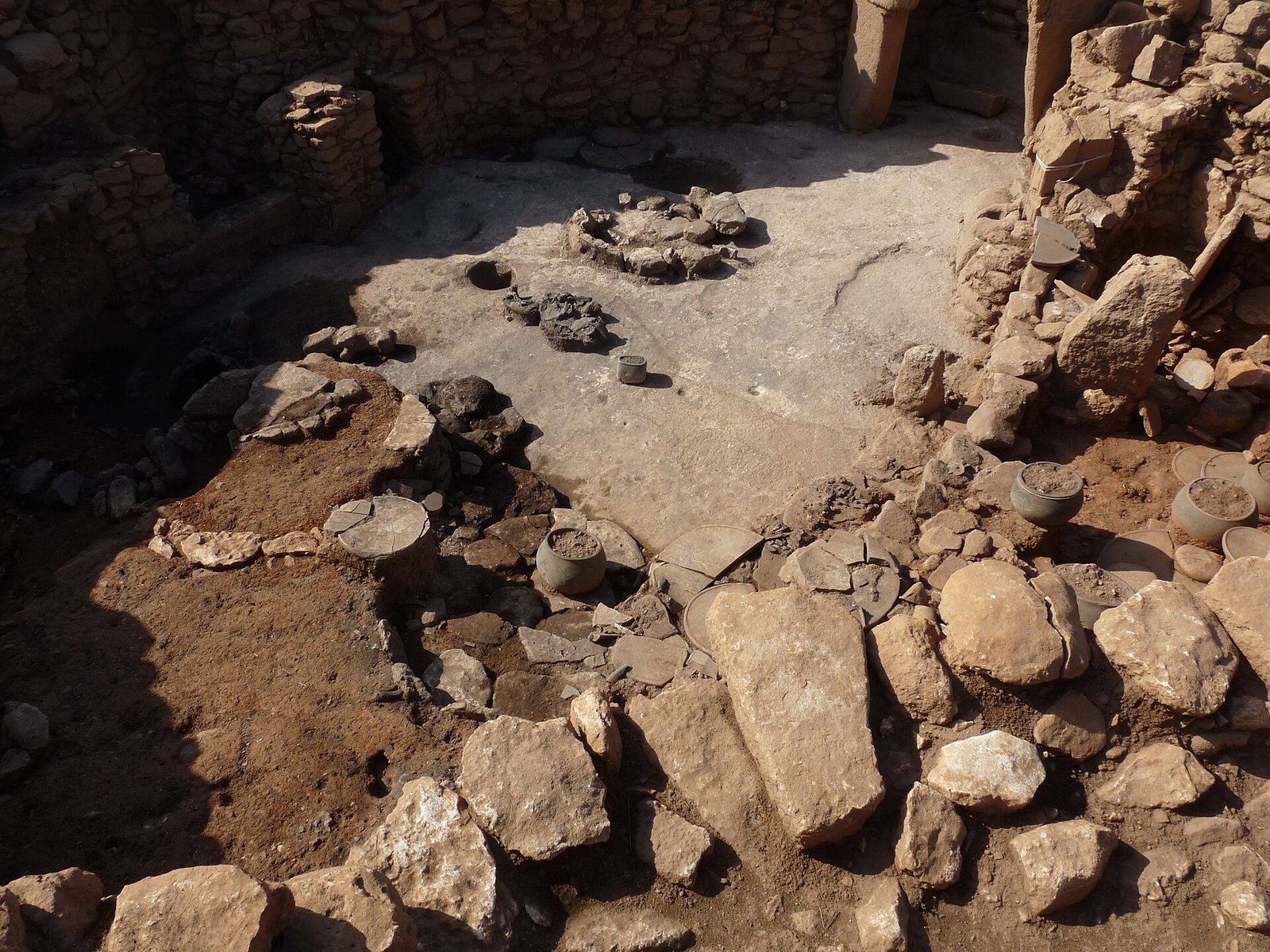
Frantisek Trampota, Karahan Tepe excavation, Public domain, via Wikimedia Commons.
The surprise: legumes, not grain
The plant side is where the team was caught out. They had expected grain to dominate, as it tends to in the usual story of the early Neolithic. Instead, legumes — the pulses, the bean-and-lentil family — turned out to hold a significant place.
'We initially assumed grain consumption,' Karul said, 'but we observed that legumes held a significant place in the diet.' It points to a mixed, possibly seasonal food strategy: hunting gazelle, and gathering or tending pulses, well before farming as we usually picture it.
It is a useful corrective. The people who raised Karahan Tepe's pillars were not simple hunters scraping by — they were feeding a community on a considered, varied diet.
Why it matters
Monuments get the attention, but a site is also a place where people ate every day. Knowing that Karahan's builders lived on gazelle and legumes puts ordinary life back into a place we usually discuss in terms of ritual and symbolism.
It also feeds a live debate: whether these communities were still hunter-gatherers, early cultivators, or something in between. A legume-heavy plant diet is exactly the kind of evidence that sits in that grey zone.
Ordinary life behind the monuments
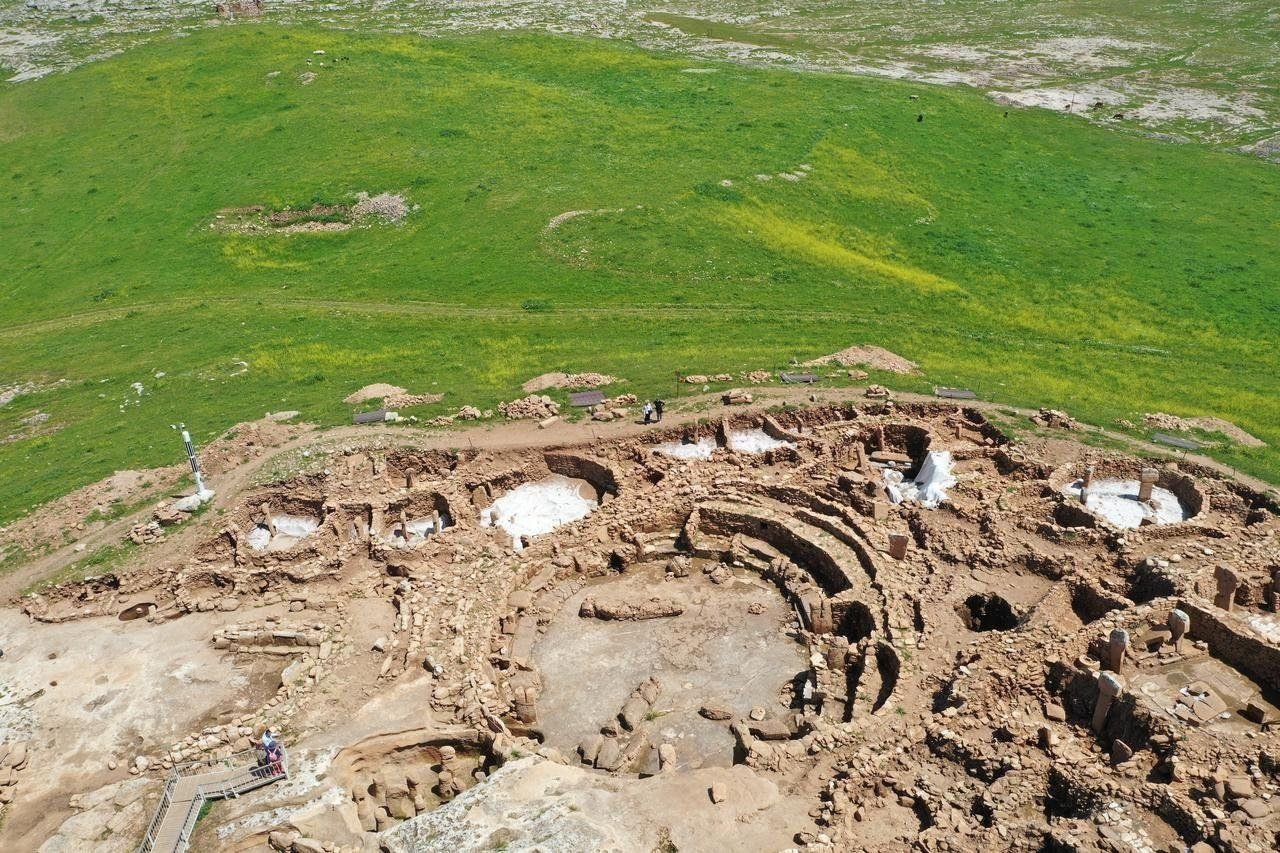
Karahan Tepe, about 35 km east of Göbekli Tepe in the Şanlıurfa region, is usually discussed in terms of ritual and symbolism — carved heads, phallic pillars, seated figures. But a site is also a place where people ate every day, and lab work on the last season's animal bone and charred plant remains has begun to sketch that everyday menu from roughly 12,000 years ago.
The headline is gazelle: strong evidence that the people here leaned heavily on gazelle meat for protein. Project director Necmi Karul notes the same signal at neighbouring Göbekli Tepe, though Göbekli's animal remains span a wider range of species from different ecological zones, while Karahan's meat diet looks, so far, more narrowly focused. Either way, knowing what the pillar-builders lived on puts ordinary life back into a place we usually approach as a sanctuary.
Hunters, cultivators, or in between
The plant side is where the team was caught out. They had expected grain to dominate, as it tends to in the usual story of the early Neolithic. Instead the pulses — the bean-and-lentil family — turned out to hold a significant place. 'We initially assumed grain consumption,' Karul said, 'but we observed that legumes held a significant place in the diet.'
That points to a mixed, possibly seasonal food strategy: hunting gazelle, and gathering or tending legumes, well before farming as we usually picture it. It also feeds a live debate about whether these communities were still hunter-gatherers, early cultivators, or something in between — and a legume-heavy plant diet is exactly the kind of evidence that sits in that grey zone. The species lists and methods are not public yet, so this is best read as a strong first sketch rather than a final account.
What is uncertain
This is preliminary, comparative work on one season's material, reported through the press rather than in a published faunal or archaeobotanical study. The species lists, quantities, and methods are not public yet. Karul has said the team will 'expand this data further in the coming season'.
Read it as a strong first sketch, not a final account.
Common questions
What did people eat at Karahan Tepe? Around 12,000 years ago they relied heavily on gazelle for meat and, unexpectedly, on legumes rather than grain for their main plant food.
Why is the legume finding a surprise? The team had assumed grain would dominate, as in the usual story of the early Neolithic. Finding legumes so prominent points to a mixed, possibly seasonal food strategy.
Is this a published study? Not yet. It is preliminary, comparative work on one season's material, reported through the press. Karul has said the team will expand the data in the coming season.
Key takeaways
- The team expected grain to dominate; instead legumes turned out to hold a significant place in the diet.
- The same gazelle signal appears at neighbouring Göbekli Tepe, though its animal remains span a wider range of species.
- A legume-heavy, mixed diet points to a considered, possibly seasonal food strategy — before farming as we usually picture it.
- The species lists, quantities and methods are not public yet, so read it as a strong first sketch.
Sources
- Türkiye Today — Karahantepe reveals 12,000-year-old diet of gazelle and legumes (28 April 2026)
- Daily Sabah — Karahantepe excavations uncover details of 12,000-year-old diet (30 April 2026)
This article is written from the primary literature and excavators' reports cited above. Interpretations are attributed; uncertainties are stated in the text.