The discovery
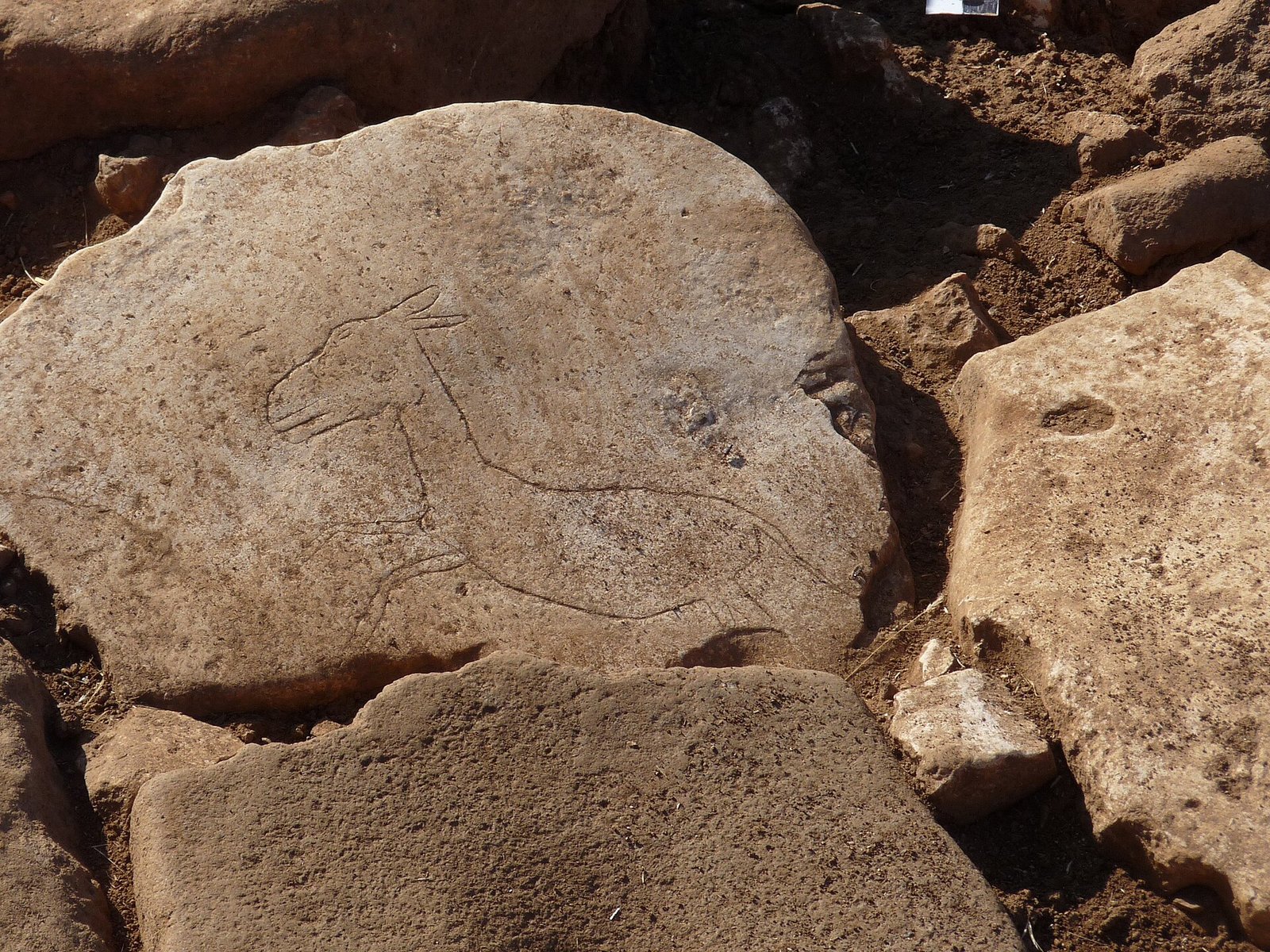
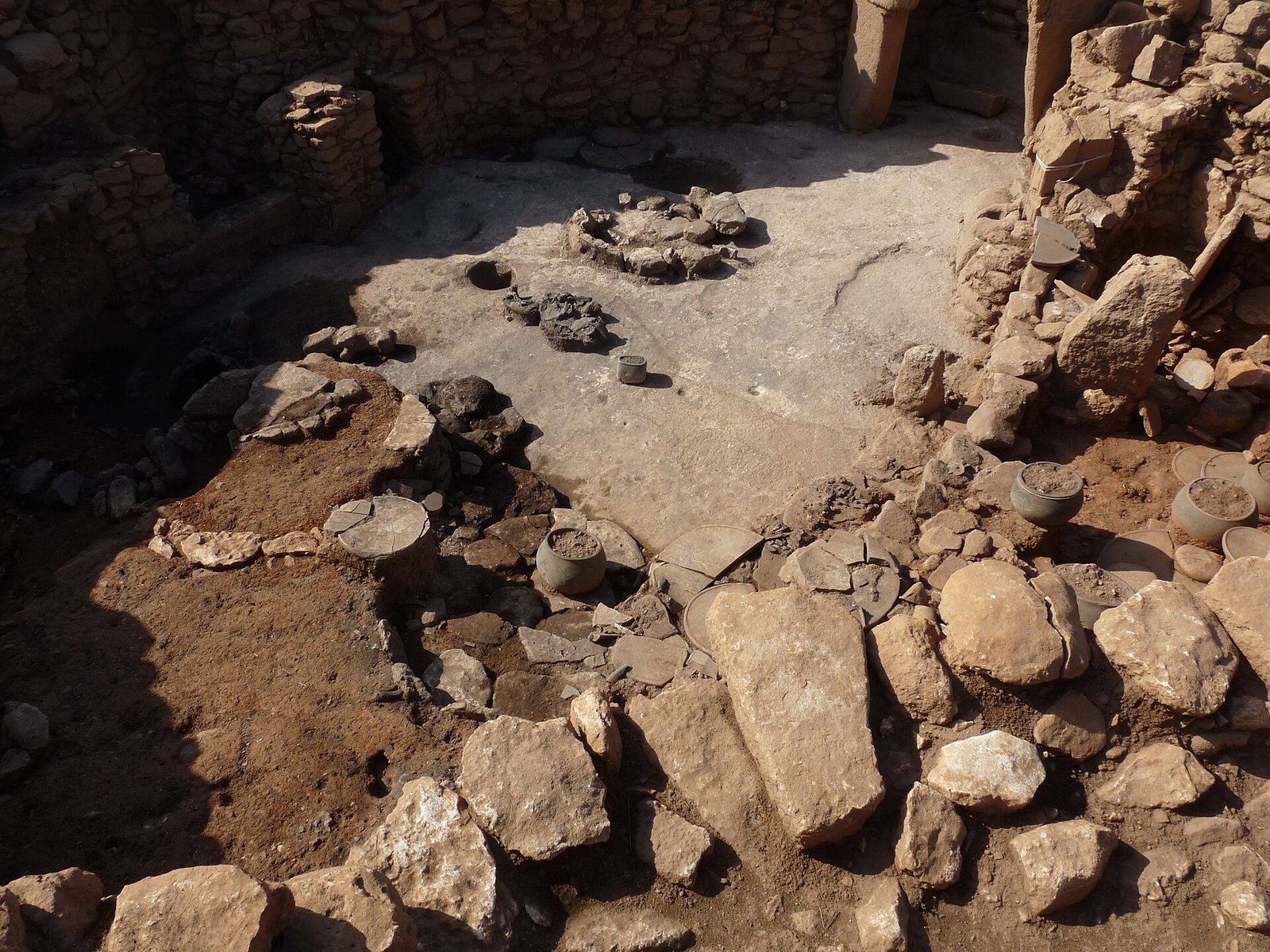
Excavations led by Necmi Karul of Istanbul University have uncovered more than thirty dwellings on the slope of Karahan Tepe — compact, partly sunk into the ground, with hearths and grinding stones, and in some cases standing stones set inside the homes themselves.
The houses cluster densely together, pointing to a closely knit community. When they were eventually abandoned, their interiors were filled with soil and their small pillars deliberately toppled — an echo, at domestic scale, of the way the great enclosures were buried.
Why it matters
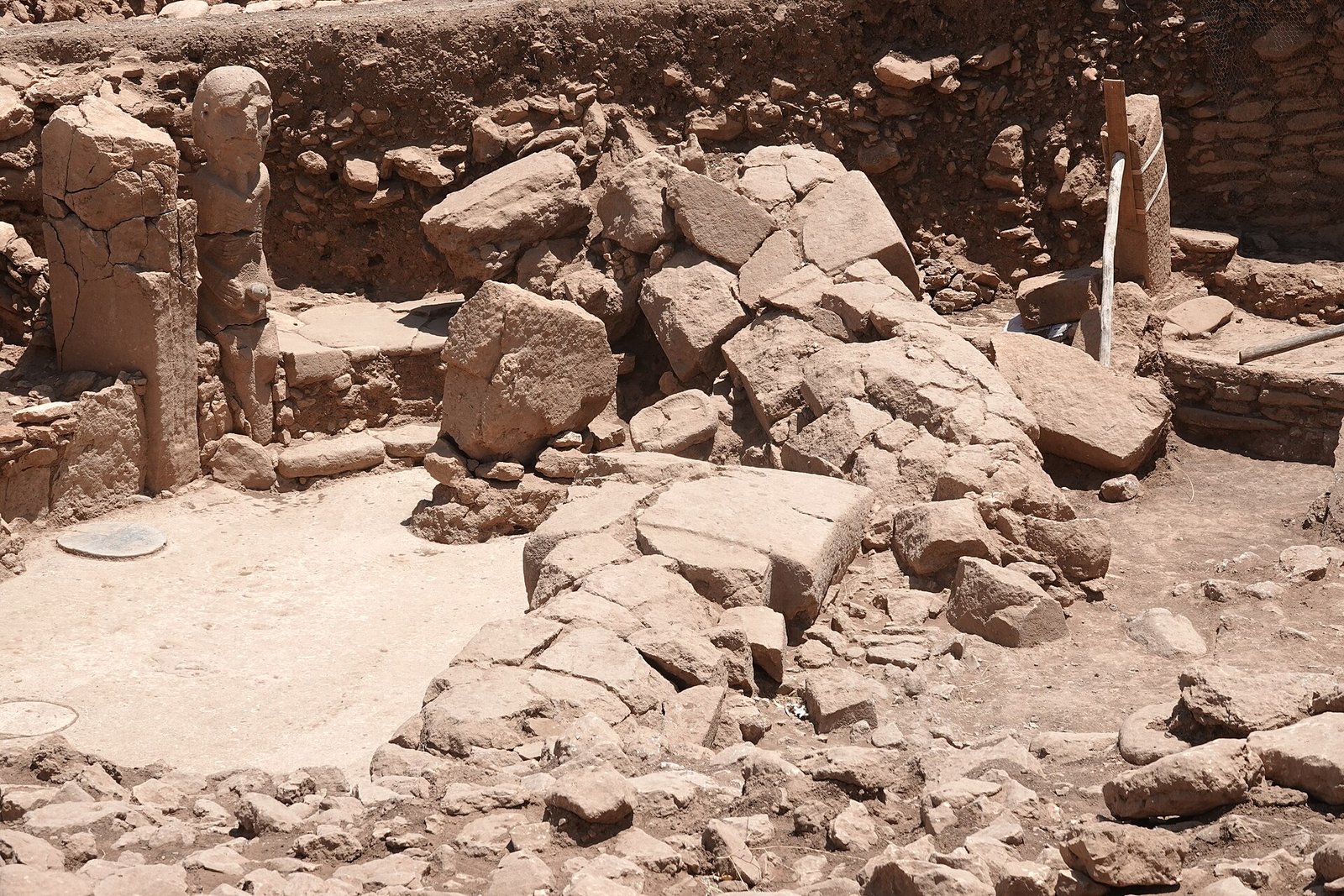
For years the Taş Tepeler sites were imagined mainly as ritual sanctuaries — places people gathered but didn't live. The village beneath Karahan changes that picture. The people who raised the carved pillars were also householders, cooks and early farmers, and the sacred and the everyday sat side by side.
That standing stones appear inside ordinary homes is the quiet headline: the symbolic world of the pillars reached right into domestic life, not just the special buildings on the hill.
How the houses were left
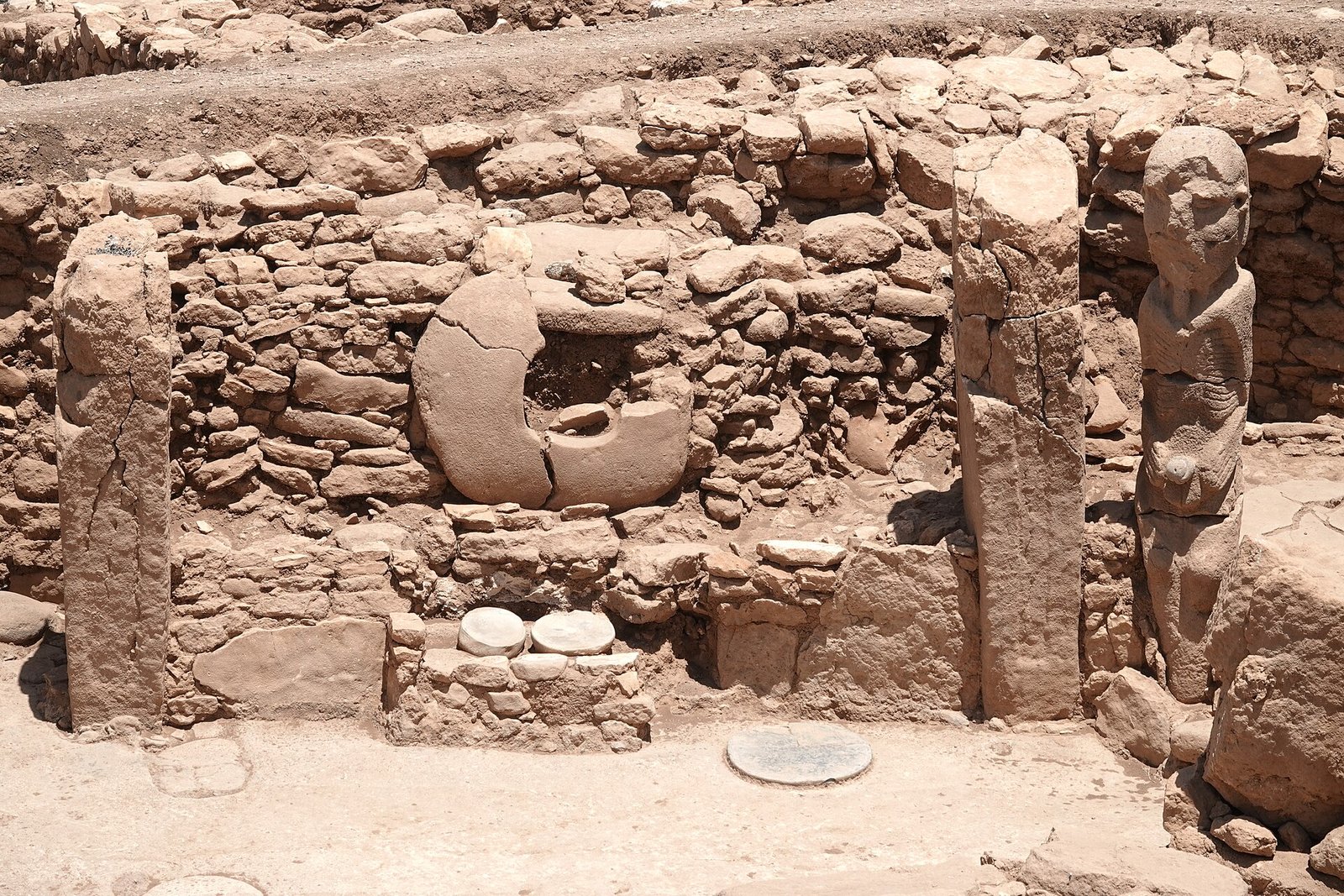
The way the dwellings ended is as telling as how they were used. When they were abandoned, their interiors were filled with soil and the small pillars inside them deliberately toppled — the same closing gesture, at domestic scale, that the great enclosures received. Ending a house, here, was a considered act rather than simple decay.
The compact plan — rooms partly sunk into the ground, packed closely together, each with a hearth and grinding stones — reads as a settled, closely knit community doing the daily work of cooking and processing food beside the monumental buildings, not travelling to an empty sanctuary.
The sacred and the everyday, side by side
For years the Taş Tepeler sites — Karahan Tepe among them, about 35 km east of Göbekli Tepe in the Şanlıurfa region — were imagined mainly as ritual sanctuaries: places people gathered but did not live. More than thirty dwellings on the slope of Karahan change that picture. They are compact, partly sunk into the ground, packed closely together, each with a hearth and grinding stones — the daily equipment of cooking and processing food.
The quiet headline is that standing stones appear inside some of these ordinary homes. The symbolic world of the great pillars reached right into domestic life, not just the special buildings on the hill. The people who raised the carved monuments were also householders and cooks, and the sacred and the everyday sat side by side rather than in separate worlds.
How the houses were left
The way the dwellings ended is as telling as how they were used. When they were abandoned, their interiors were filled with soil and the small pillars inside them deliberately toppled — the same closing gesture, at domestic scale, that the great enclosures received. Ending a house here was a considered act rather than simple decay.
It is worth being careful with the framing, though. The figure of 'more than thirty' houses, and the phrase 'the world's first village', come from field reporting rather than a published excavation report. How many of the dwellings stood at the same time, versus across the site's roughly 1,400-year life, is exactly what stratigraphy still has to settle. What is solid is that Karahan Tepe had a substantial domestic quarter; its precise size, density and timing await full publication.
What is uncertain
The figure of 'more than thirty' houses, and the framing of Karahan Tepe as 'the world's first village', come from field reporting rather than a published excavation report; the count, and how many of the dwellings stood at the same time versus across the site's roughly 1,400-year life, are exactly what stratigraphy has still to settle.
'World's first village' is a headline, not a defended claim — other early Neolithic settlements compete for that title, and the phrase glosses over hard questions of definition. What is solid is that Karahan Tepe had a substantial domestic quarter; its precise size, density and timing await full publication.
Common questions
What was found on the slope of Karahan Tepe? More than thirty compact Neolithic dwellings, partly sunk into the ground, with hearths, grinding stones, and in some cases standing stones set inside the homes themselves.
Why does the village matter? For years the Taş Tepeler sites were imagined mainly as ritual sanctuaries people gathered at but didn't live in. The houses show the pillar-builders were also householders, cooks and early farmers.
Is Karahan Tepe 'the world's first village'? That is a headline rather than a defended claim — other early Neolithic settlements compete for the title. What is solid is that Karahan had a substantial domestic quarter.
Key takeaways
- The village reframes Karahan Tepe as not only a sanctuary but one of the world's earliest settlements.
- Standing stones inside ordinary homes show the symbolic world of the pillars reached into domestic life.
- Houses were closed with care — soil-filled and pillars toppled — echoing how the great enclosures were buried.
- 'World's first village' is a headline, not a defended claim; how many houses stood at once awaits stratigraphy.
Sources
- Arkeonews — Archaeologists unearth 30 Neolithic homes at Karahantepe
- The Debrief — 12,000-year-old discovery at Karahan Tepe, 'the world's first village'
This article is written from the primary literature and excavators' reports cited above. Interpretations are attributed; uncertainties are stated in the text.