The line you usually read
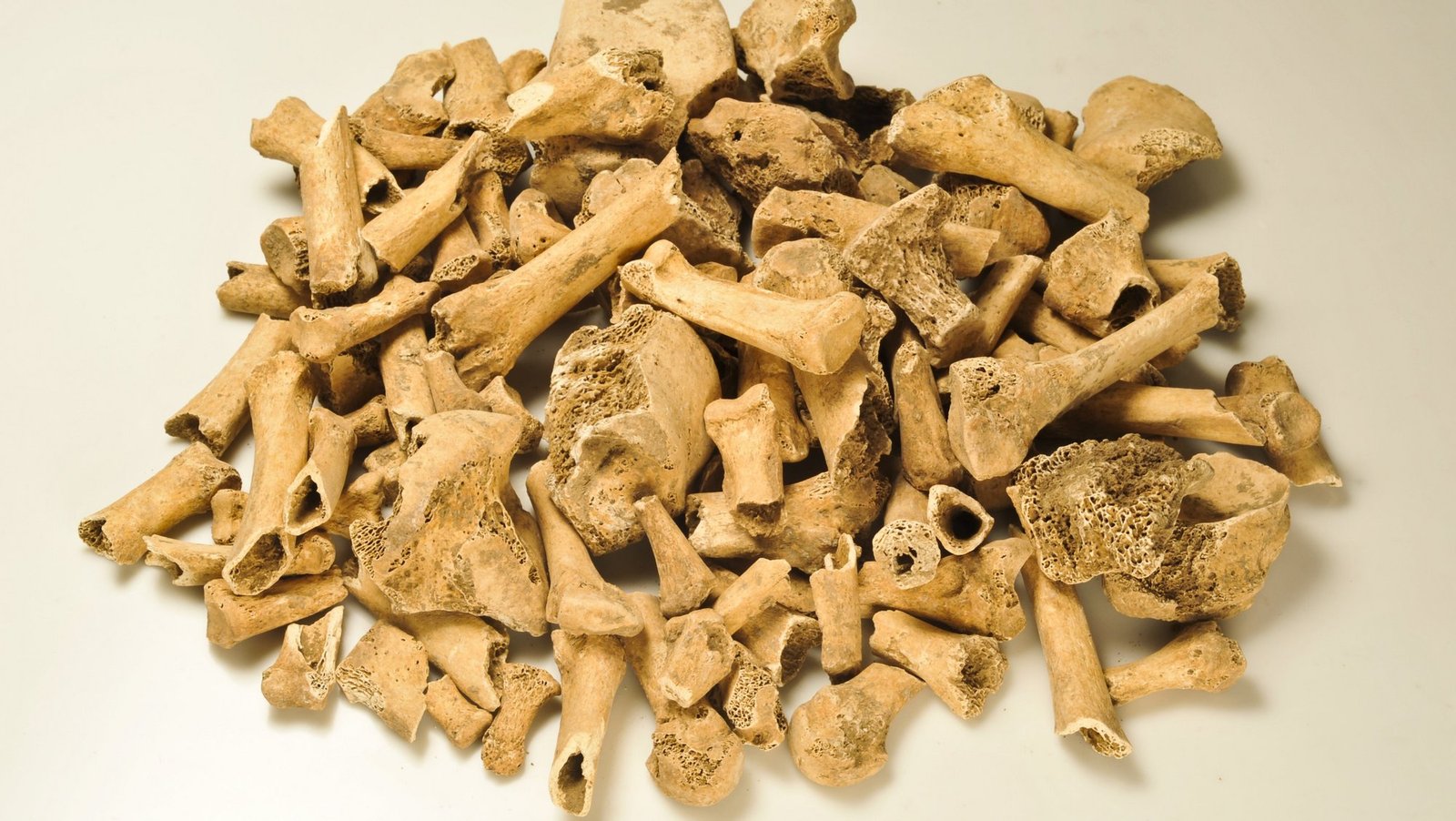
Much popular writing says flatly that there are no burials at Göbekli Tepe — that the site produced only scattered, fragmentary human bone, most of it from skulls, worked into what excavators described in 2017 as a Neolithic 'skull cult'. The absence of graves became part of the site's mystique: a place for the dead, without the dead.
That picture is now being complicated by the excavation's own director — not overturned, but made more precise, and in a way that cuts against the confident 'no burials' headline.
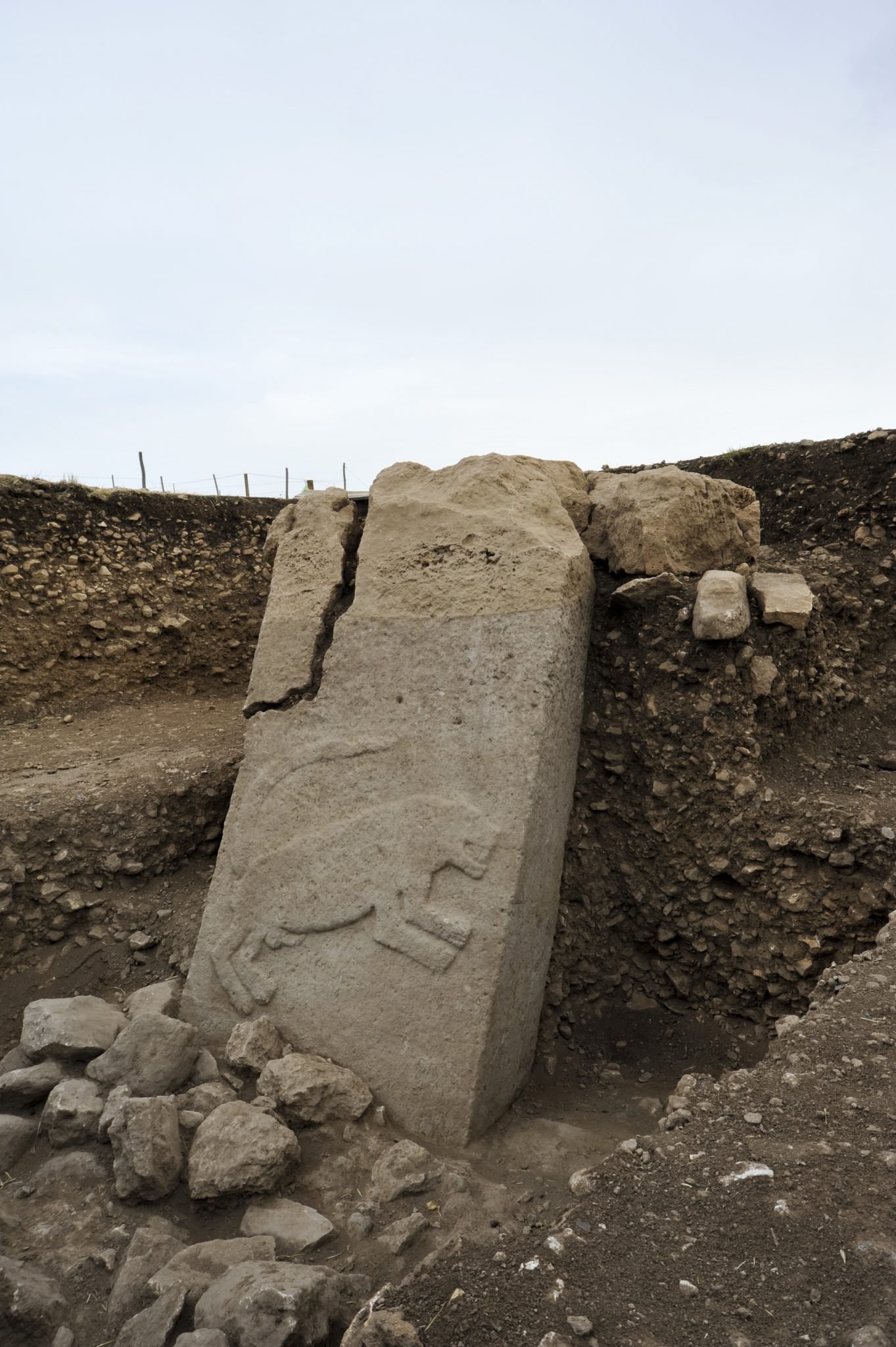
German Archaeological Institute, Göbekli Tepe Project, Pillar 51, Enclosure H, Göbekli Tepe, Copyright: DAI — used with permission, via .
The actual tally
In recent interview material, Dr Lee Clare (Göbekli Tepe Project, DAI) gives a concrete count: three burials, representing four or five individuals, are currently known from the site — including one found in 2025. Alongside these, excavators have documented a burial cut beneath the floor of a later (PPNB) building, and the long-known fragmentary skull material with its cut marks, drill holes and signs of post-mortem handling.
Set that against the scale of the place. Göbekli Tepe was built, rebuilt and used over many centuries. If it had been an ordinary settlement, or a cemetery, it would hold hundreds of dead. Instead the excavated total is a handful of people. Whatever Göbekli Tepe was for, routine burial of the community was not it.
That is what makes the small number so telling. The dead who are here seem to have been treated in special ways — skulls detached and modified, remains placed and handled rather than simply interred — while the rest of the population was buried elsewhere, or in ways that have not survived or not yet been found.
The directors' 2025 project synthesis puts the same scarcity in print: it records two burial pits containing four or five individuals in total at Göbekli Tepe, following the PPNA–PPNB norm of placing the dead under house floors rather than in separate cemeteries, alongside the cut-marked skull fragments that evidence the skull cult. A monument used for centuries, with barely a handful of graves.
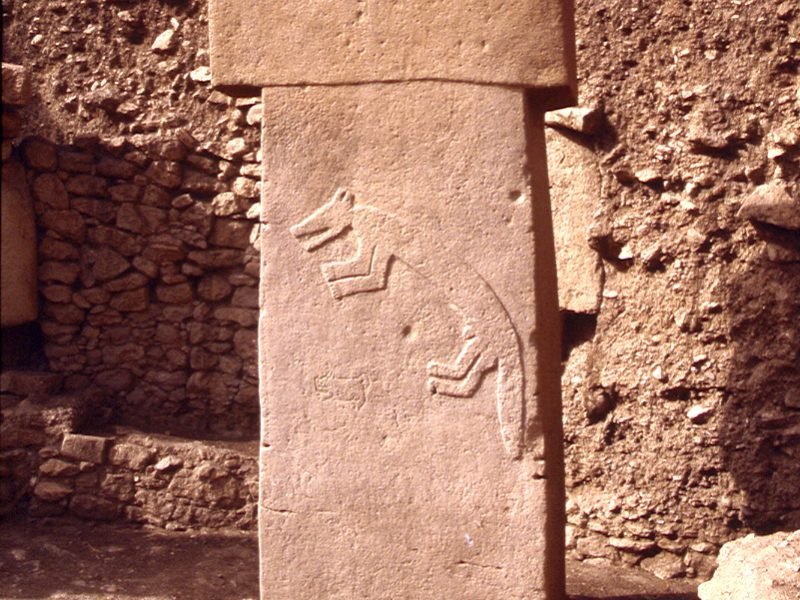
German Archaeological Institute, Göbekli Tepe Project, Pillar 10, Enclosure B, Göbekli Tepe, Copyright: DAI — used with permission, via .
Why it matters
The number reframes the 'temple of the dead' idea. It was not a graveyard. A very few individuals received distinctive post-mortem treatment at a monumental site otherwise kept clear of ordinary burial — which points to selection: particular people, particular remains, particular rites.
It also shows how a working excavation updates itself. 'No burials' was a fair summary a decade ago; the count is now three burials and a few individuals, and it will keep changing as the dig continues.
How 'no burials' became 'a few'
For years the accepted summary was blunt: Göbekli Tepe produced no burials, only scattered, fragmentary human bone — most of it from skulls worked into what excavators in 2017 called a Neolithic 'skull cult'. The absence of graves became part of the site's mystique, a place for the dead without the dead.
That picture is being made more precise rather than overturned. In recent interview material Dr Lee Clare gives a concrete tally — three burials representing four or five individuals, including one found in 2025 — alongside a burial cut beneath the floor of a later PPNB building and the long-known cut-marked skull fragments. It is a good example of how a working excavation updates itself: 'no burials' was a fair summary a decade ago; the count is now small but not zero, and it will keep changing as the dig continues.
Why so few is the real story
The number matters because of the scale it sits against. Göbekli Tepe was built, rebuilt and used over many centuries. Had it been an ordinary settlement, or a cemetery, it would hold hundreds of dead. Instead the excavated total is a handful of people — which says plainly that routine burial of the community was not what this place was for.
The few who are present seem to have been chosen. Skulls were detached and modified, remains placed and handled rather than simply interred, while the rest of the population was buried elsewhere or in ways that have not survived. The directors' 2025 synthesis puts the same scarcity in print, recording two burial pits with four or five individuals and noting the PPNA-PPNB habit of placing the dead under house floors rather than in separate cemeteries. Particular people, particular remains, particular rites.
What is uncertain
The figure of three burials / four or five individuals, one found in 2025 comes from spoken interview material and awaits full publication; the exact contexts and the 2025 find in particular still need confirmation in the excavation's own reporting. Some project statements still describe formal human burials as effectively absent, which reflects a real question of definition — what counts as a 'burial' versus deposited or curated remains.
Numbers at an active site are provisional by nature. Read this as the director's current tally, not a closed count.
Common questions
How many people are buried at Göbekli Tepe? The excavation's director gives a current count of three burials representing four or five individuals, including one found in 2025 — a strikingly small number for a site used over many centuries.
What is the Göbekli Tepe 'skull cult'? Excavators documented fragmentary human skull bone bearing cut marks, drill holes and other signs of post-mortem handling, described in 2017 as evidence of a Neolithic skull cult.
Was Göbekli Tepe a cemetery? No. If it had been an ordinary settlement or a graveyard it would hold hundreds of dead; instead only a handful of individuals are known, several given distinctive treatment — so routine burial was not what the site was for.
Key takeaways
- Popular writing often says Göbekli Tepe has no burials; the excavation's director now gives a concrete count of three burials, four or five individuals, one of them found in 2025.
- Against a monument built and used over many centuries, a handful of dead is astonishingly few — an ordinary settlement or cemetery would hold hundreds.
- The dead who are present got special post-mortem treatment — detached, modified skulls rather than routine graves — which points to selection.
- The directors' 2025 synthesis records two burial pits with four or five individuals, following the PPNA-PPNB habit of placing the dead under house floors.
Sources
- Science Advances (Gresky, Haelm & Clare 2017) — Modified human crania from Göbekli Tepe: a new form of Neolithic skull cult
- Anadolu Agency — 2025 dig season concludes at Göbekli Tepe
- Karul, N., Baird, D., Clare, L. et al. (2025). Şanlıurfa Neolithic Research Project – Taş Tepeler: Recent Studies, New Results.
This article is written from the primary literature and excavators' reports cited above. Interpretations are attributed; uncertainties are stated in the text.