Where it is
Kurt Tepesi — locally Kuça Gura — is a modest Neolithic mound roughly 47 km east of Şanlıurfa, about 3 km south of Sumaklı village, sitting at around 730 m on a limestone ridge above the Çoban Creek Pass, a natural corridor linking the Harran Plain with the Viranşehir region.
It was first identified in 2013 during regional surveys. It has never had the sustained, high-profile excavation of Göbekli Tepe or Karahan Tepe, and outside a handful of specialist reports it is almost absent from both the press and the popular literature.
What is actually there
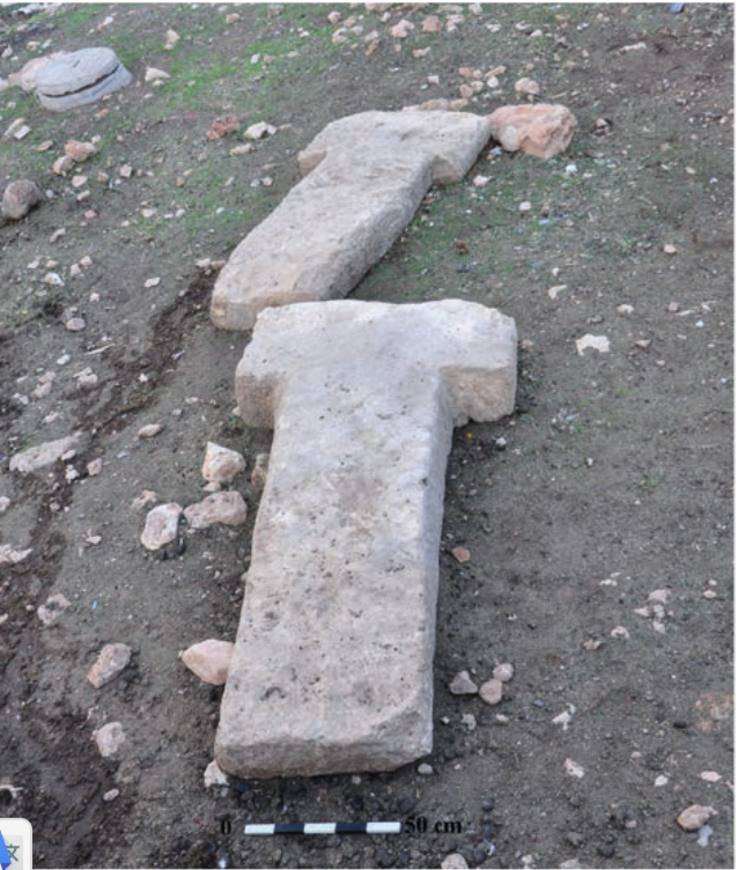
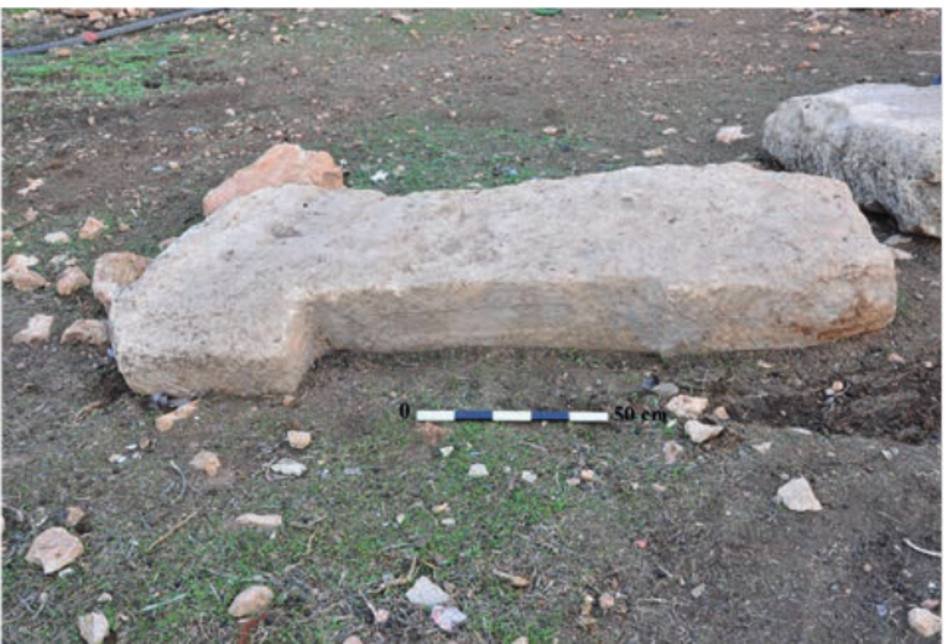
The defining finds are T-shaped pillars — the same architectural signature as the famous sites, but fewer and smaller. One pillar, assigned to the Pre-Pottery Neolithic (broadly ~9500–8000 BCE), was recovered from an illicit digging pit; two more, thought to come from Kurt Tepesi, turned up in the nearby village of Kösecik, about 6 km to the southeast.
These pillars run about 2.5 m long, 50–70 cm wide and ~25 cm thick. One carries a broad necktie-shaped groove and a single-strip chevron motif on a dressed side panel; the other is plain. Around the mound are rock-cut cavities, a pool cut into the bedrock, and quarries that likely supplied the stone.
Much of this comes from the fieldwork of Prof. Dr. Bahattin Çelik, who has published Kurt Tepesi alongside the other Şanlıurfa T-pillar settlements.
Why it is worth knowing
Kurt Tepesi matters precisely because it is ordinary. The story of this region is not one genius site but a whole constellation of them, large and small, sharing an architectural and symbolic language while each doing its own local version of it. A minor mound with a chevron-carved pillar is evidence that the tradition was widespread, not exceptional.
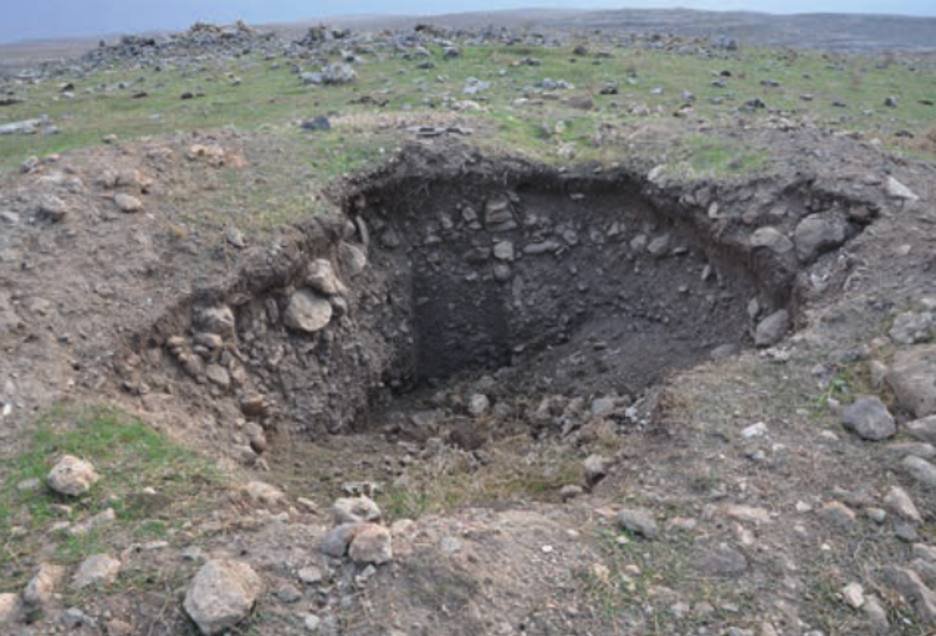
It is also a cautionary tale. The western side of the mound has been damaged by illegal excavation, and a high-voltage pylon now stands at its northern edge — a reminder of how exposed even a significant Neolithic site can be before it is ever properly dug.
Why the small sites matter
Kurt Tepesi matters precisely because it is ordinary. The story of this region is not one genius site but a whole constellation of them, large and small, sharing an architectural and symbolic language while each does its own local version of it. A minor mound with a chevron-carved pillar is evidence that the T-pillar tradition was widespread, not exceptional.
The finds themselves are modest and telling: T-shaped pillars about 2.5 metres long, 50 to 70 centimetres wide and roughly 25 centimetres thick, one carrying a broad necktie-shaped groove and a single-strip chevron on a dressed panel, the other plain. Around the mound are rock-cut cavities, a pool cut into the bedrock, and quarries that likely supplied the stone.
A site at risk
Kurt Tepesi is also a cautionary tale. Much of what is known comes not from a controlled dig but from surface survey and from pillars pulled out by looters — one pillar was recovered from an illicit digging pit, and two more, presumed to come from the mound, turned up in a nearby village. The western side has been damaged by illegal excavation, and a high-voltage pylon now stands at its northern edge.
That leaves the dating and phasing provisional, and the findspots of the loose pillars insecure. It is a reminder of how exposed even a significant Neolithic site can be before it is ever properly dug — and of how much of the region's record still sits in the ground, known only from survey and salvage.
What is uncertain
This is a survey-and-salvage site, not a fully excavated one. Most of what is known comes from surface survey and from pillars removed by looters rather than from a controlled stratigraphic dig, so the dating and phasing are provisional and the findspots of the loose pillars are not secure.
The two pillars from Kösecik are only presumed to originate at Kurt Tepesi. Reports are also inconsistent on ceramics — one pillar context is described as having none (an early-Neolithic marker), while the site is elsewhere said to show pottery — so the length and phases of occupation are unresolved.
We will expand this page if and when systematic excavation and formal publication give Kurt Tepesi the record it currently lacks.
Common questions
Where is Kurt Tepesi? On a limestone ridge about 47 km east of Şanlıurfa, above the Çoban Creek Pass, first identified during regional surveys in 2013.
What has been found there? T-shaped pillars — fewer and smaller than the famous sites — including one pulled from an illegal digging pit and two more thought to come from the mound.
Why does a minor site matter? It shows the T-pillar tradition was widespread across the region, not confined to one or two exceptional sites.
Key takeaways
- Kurt Tepesi has its own T-shaped pillars — the same tradition as Göbekli Tepe, on a smaller scale.
- It is known mostly from survey and looted stones, and is barely covered anywhere.
- Its ordinariness is the point: the T-pillar tradition was widespread, not exceptional.
- The site is exposed — damaged by illegal digging, with a pylon at its edge — before ever being properly excavated.
Sources
- Arkeonews — Kurt Tepesi: the silent sentinel in the shadows of Göbeklitepe and Karahan Tepe (31 May 2025)
- Çelik, B. (2014) — Differences and similarities between the Şanlıurfa settlements with 'T'-shaped pillars, TÜBA-AR 17
This article is written from the primary literature and excavators' reports cited above. Interpretations are attributed; uncertainties are stated in the text.