Göbekli Tepe · Structures
Structure Guide
The main profile stays simple. This guide is the deeper reference layer for Göbekli Tepe's architecture, structure sequence, important pillars, imagery, floor evidence, fill, and source cautions.
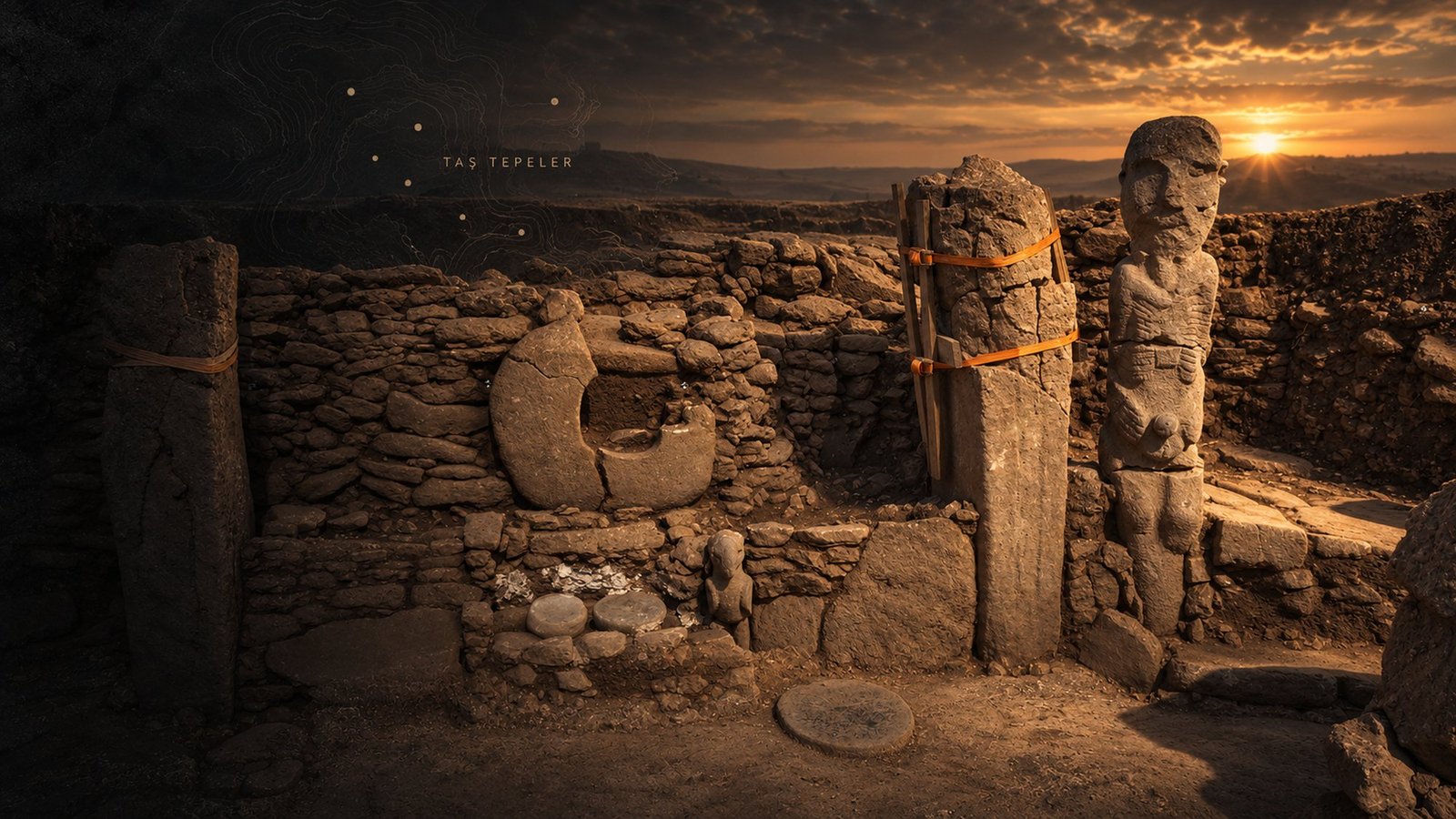
Göbekli Tepe · Structures
The main profile stays simple. This guide is the deeper reference layer for Göbekli Tepe's architecture, structure sequence, important pillars, imagery, floor evidence, fill, and source cautions.
01
Start with Structure D for the clearest monumental reference point, then Structure C for the major ring-wall and boar evidence, Structure B for its terrazzo floor and fox pillars, Structure H for Pillar 56 and late-excavated depth, and Structure A for the more partial, snake-heavy architectural record. Building F, the Rock Temple and the Lion Pillars Building widen the page beyond the famous circular enclosures.
Each structure page keeps layout, pillars and carved imagery separate from interpretation, and flags what is secure, partial or still developing — so animal, human and symbolic readings never collapse into one overconfident story.
02
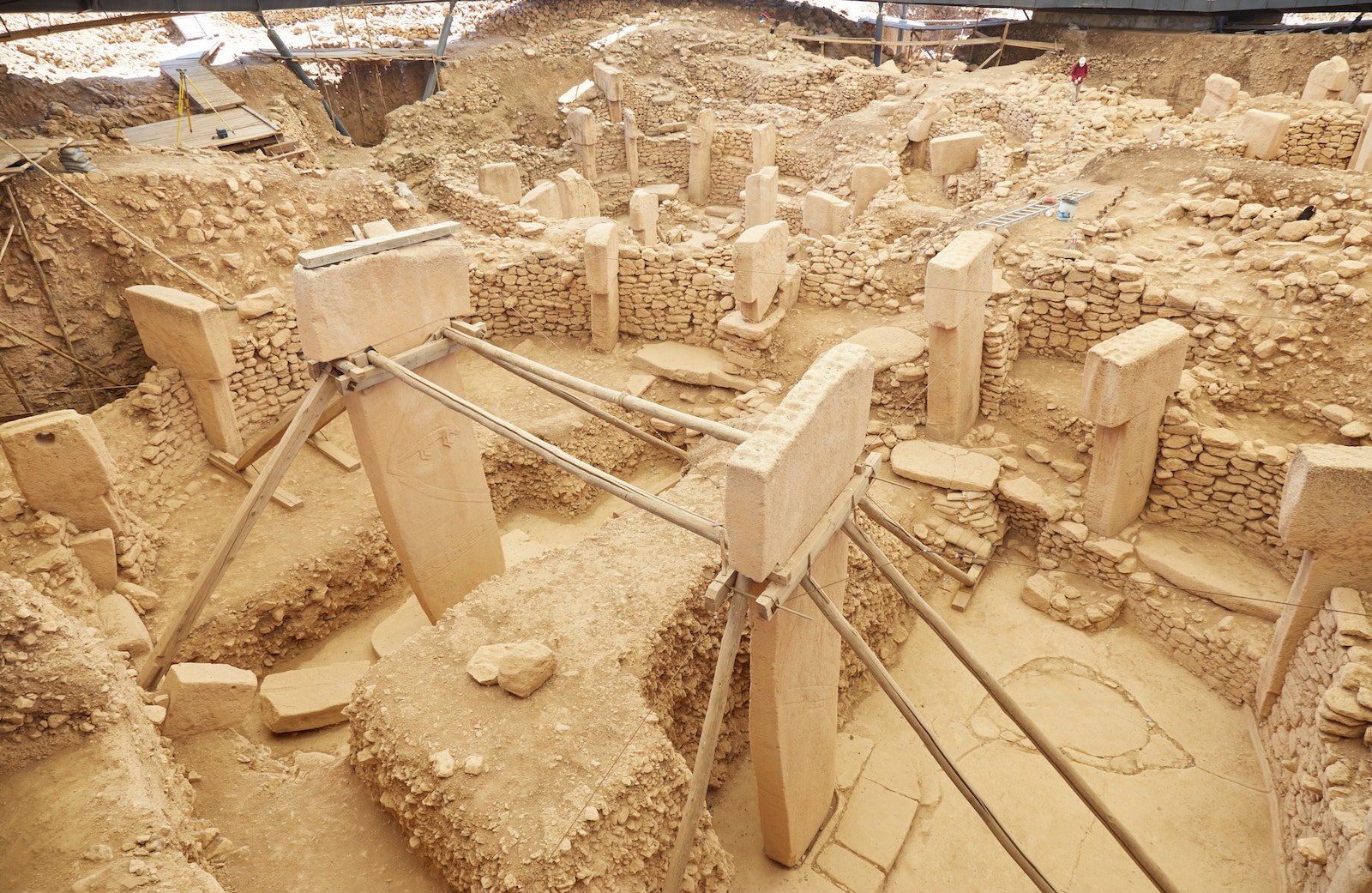
German Archaeological Institute, Göbekli Tepe Project, Enclosure D, Göbekli Tepe, Copyright: DAI — used with permission, via .
Enclosure D
The best-preserved of the great ring enclosures, and the one people picture first: two ~5.5 m central T-pillars carved with arms, hands and belts, ringed by a wall of smaller pillars.
Full page →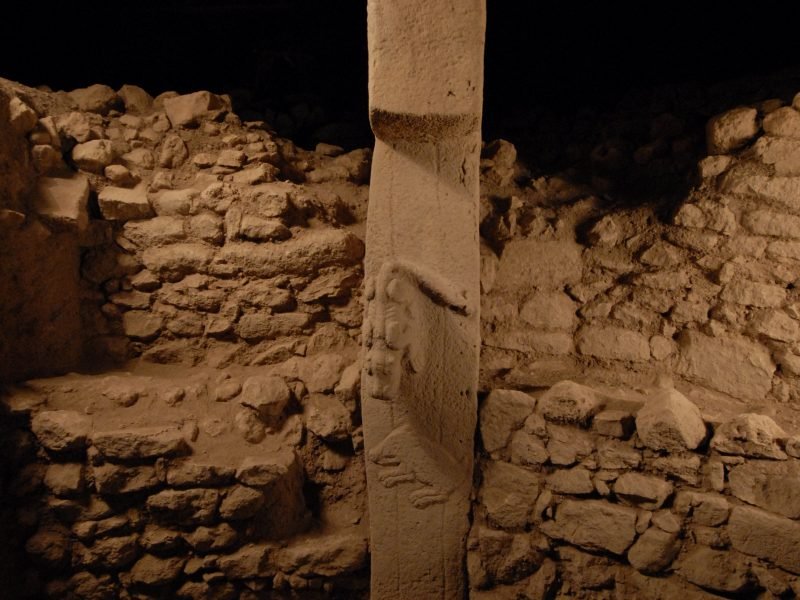
German Archaeological Institute, Göbekli Tepe Project, Pillar 27, Göbekli Tepe, Copyright: DAI — used with permission, via .
Enclosure C
The largest enclosure, built with concentric ring walls and a southern entrance, and dominated by boar imagery — including Pillar 27's predator in high relief.
Full page →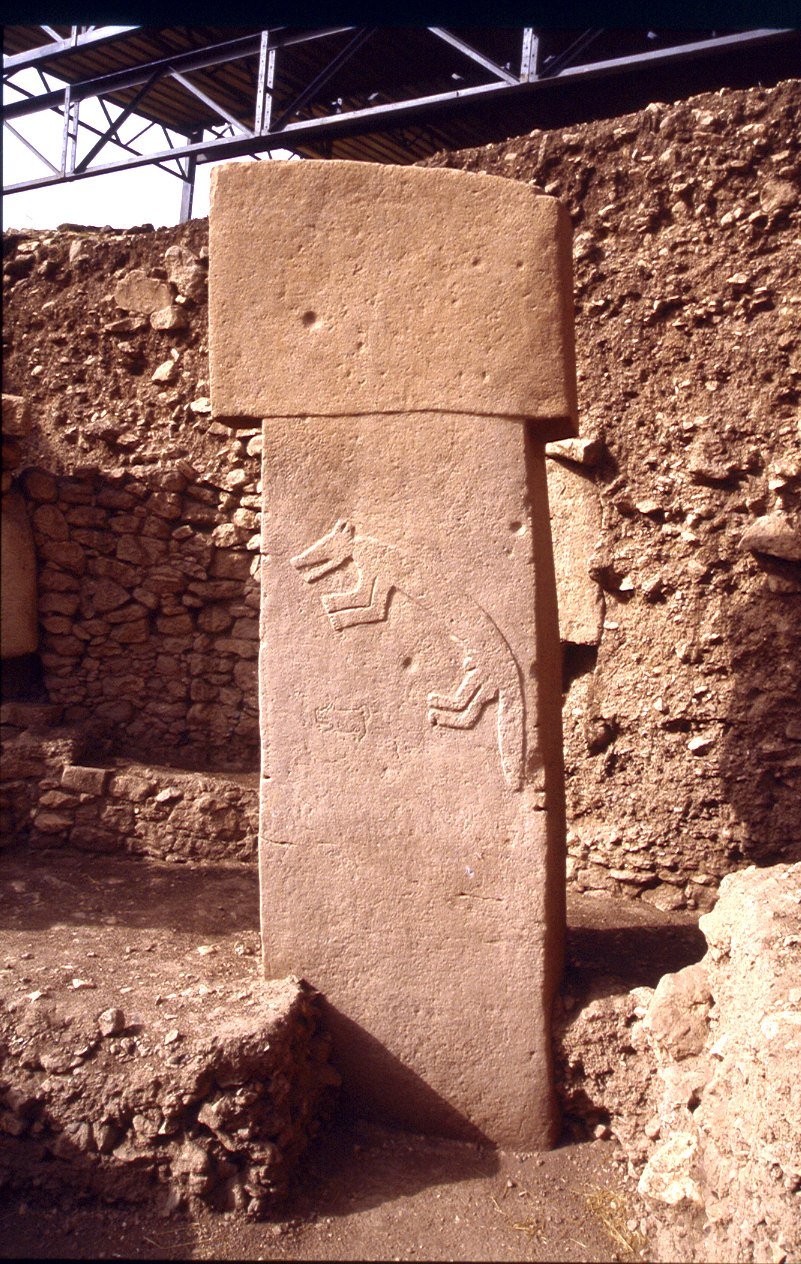
Enclosure B
A round enclosure whose two central pillars (9 and 10) both carry the fox, with a made terrazzo floor and a stone bowl set into it.
Full page →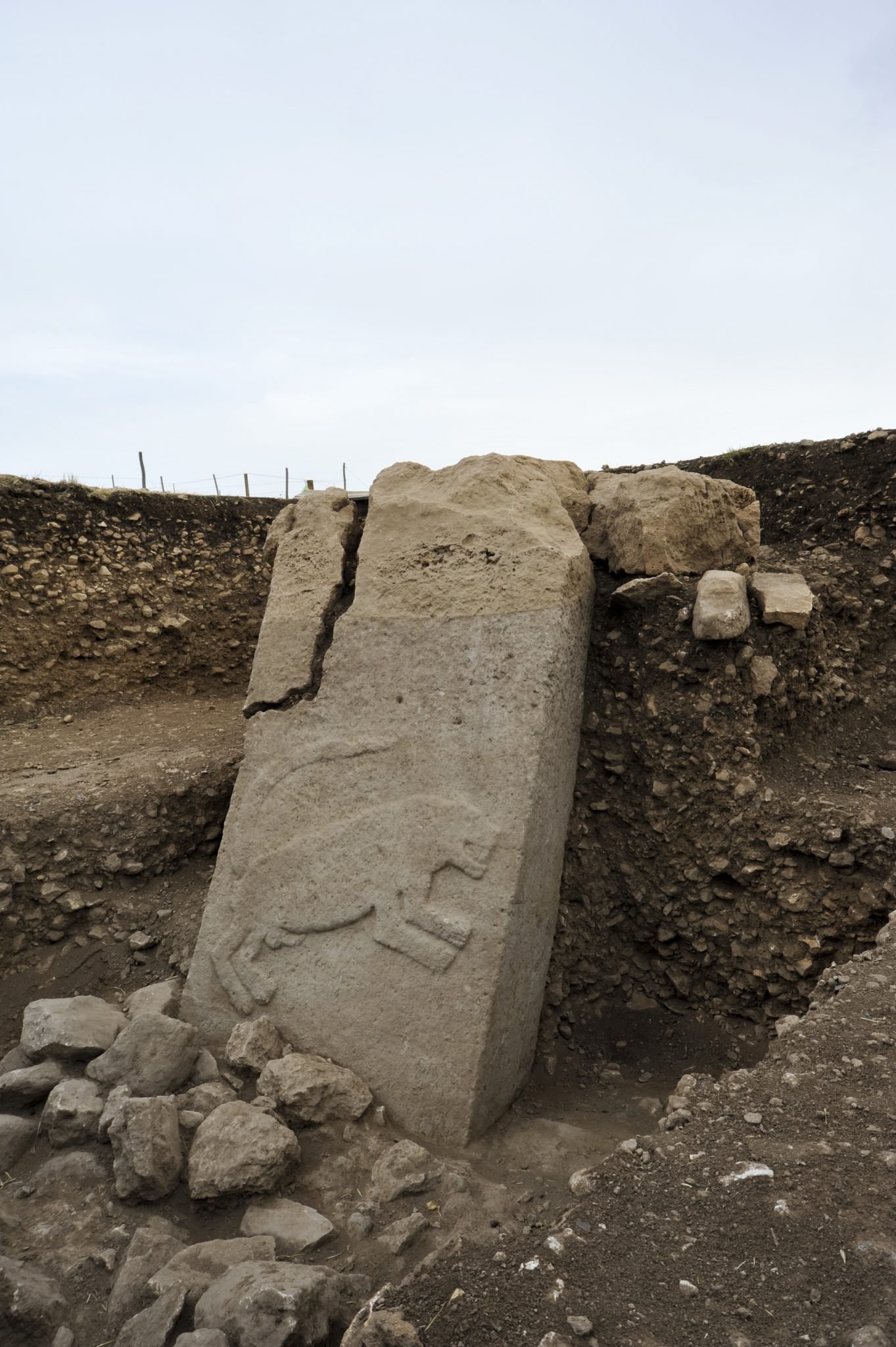
German Archaeological Institute, Göbekli Tepe Project, Pillar 51, Enclosure H, Göbekli Tepe, Copyright: DAI — used with permission, via .
Enclosure H
A large, only partly excavated enclosure in the northwestern depression, best known for the densely carved Pillar 56.
Full page →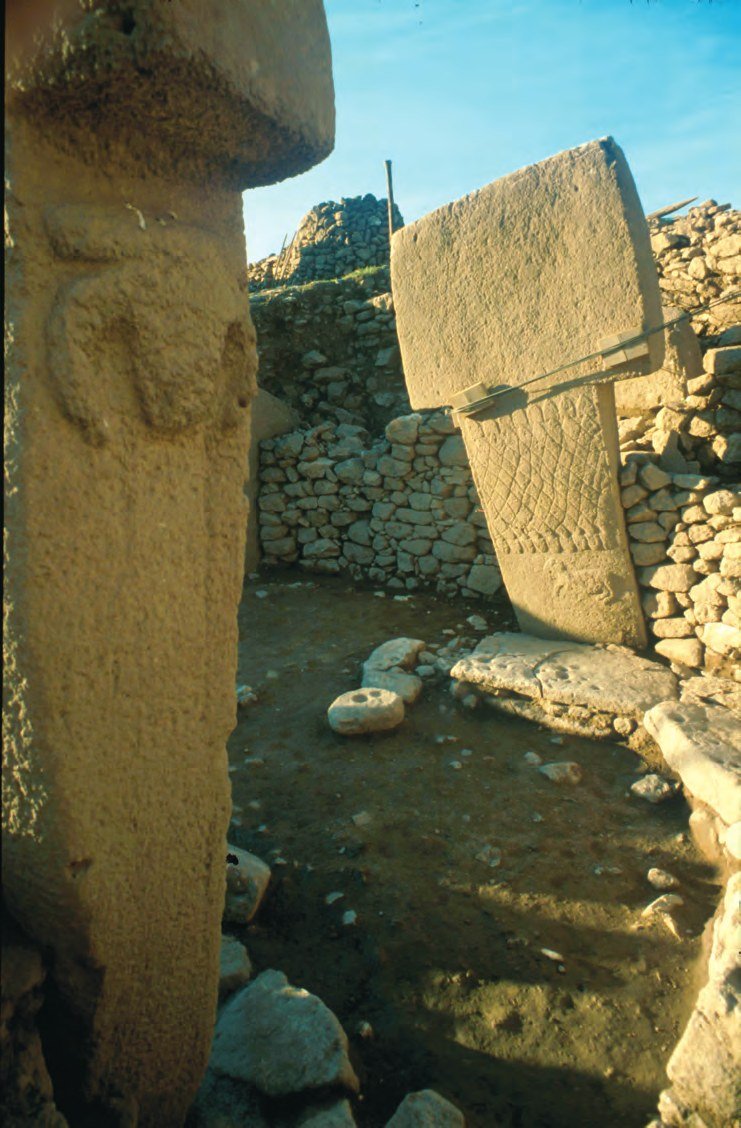
Enclosure A
The first great enclosure uncovered, with an unusually elongated plan and an image field in which snakes dominate.
Full page →Building F
A small oval building on the western slope whose pillars preserve arms, hands and necklaces — and show clear signs of having been reused and recut.
Full page →
Enclosure E (the Rock Temple)
A structure cut into the bedrock itself: its pillars are gone, but the rock-cut pedestals that once held its central pair survive.
Full page →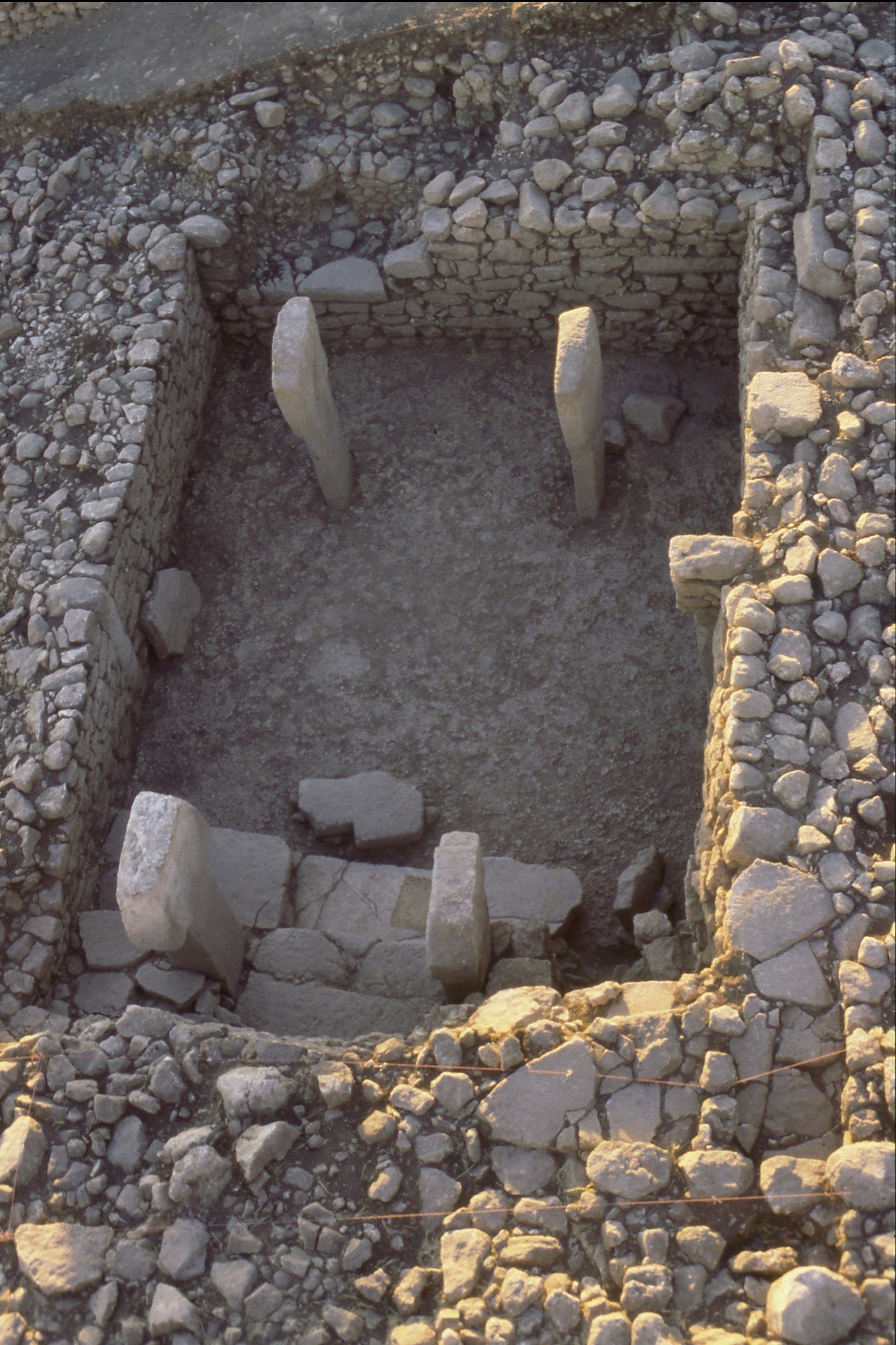
The Lion Pillars Building
A rectangular building of the younger Layer II, named for its lion reliefs — the smaller architecture that followed the great enclosures.
Full page →Last reviewed 7 October 2026. Something wrong?