Göbekli Tepe Structure Profile
Lion Pillars Building
The Lion Pillars Building helps show that Göbekli Tepe was not only made of huge round enclosures. It belongs to the younger Layer II world of smaller rectangular buildings with T-pillars. The current dataset can safely present it as an important named building, while keeping its individual lion-pillar records and the famous female slab in a cautious research layer.
At a glance
- Site
- Göbekli Tepe
- Structure
- Lion Pillars Building
- Known For
- It expands the Göbekli Tepe structure map beyond the famous round Layer III enclosures and Building F by representing the younger rectangular-building horizon.
What you're looking at
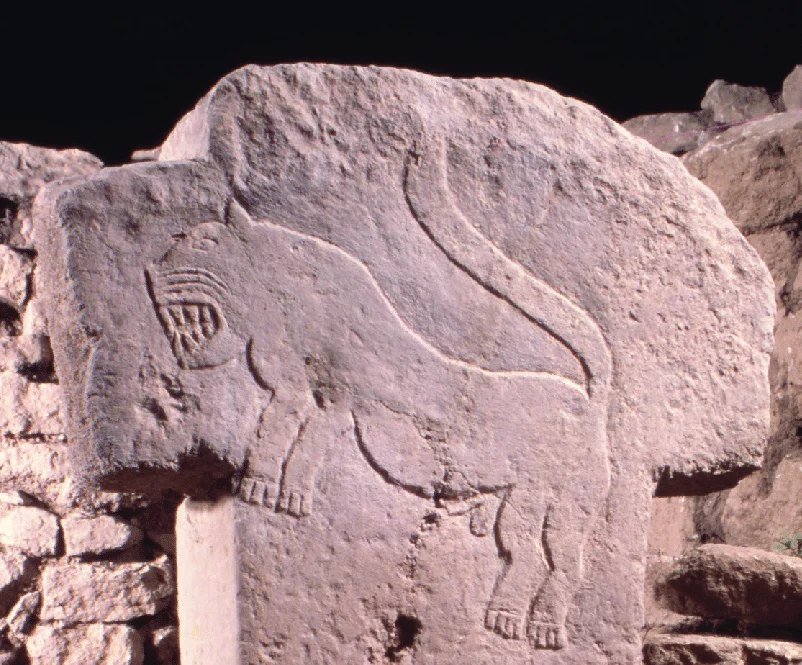
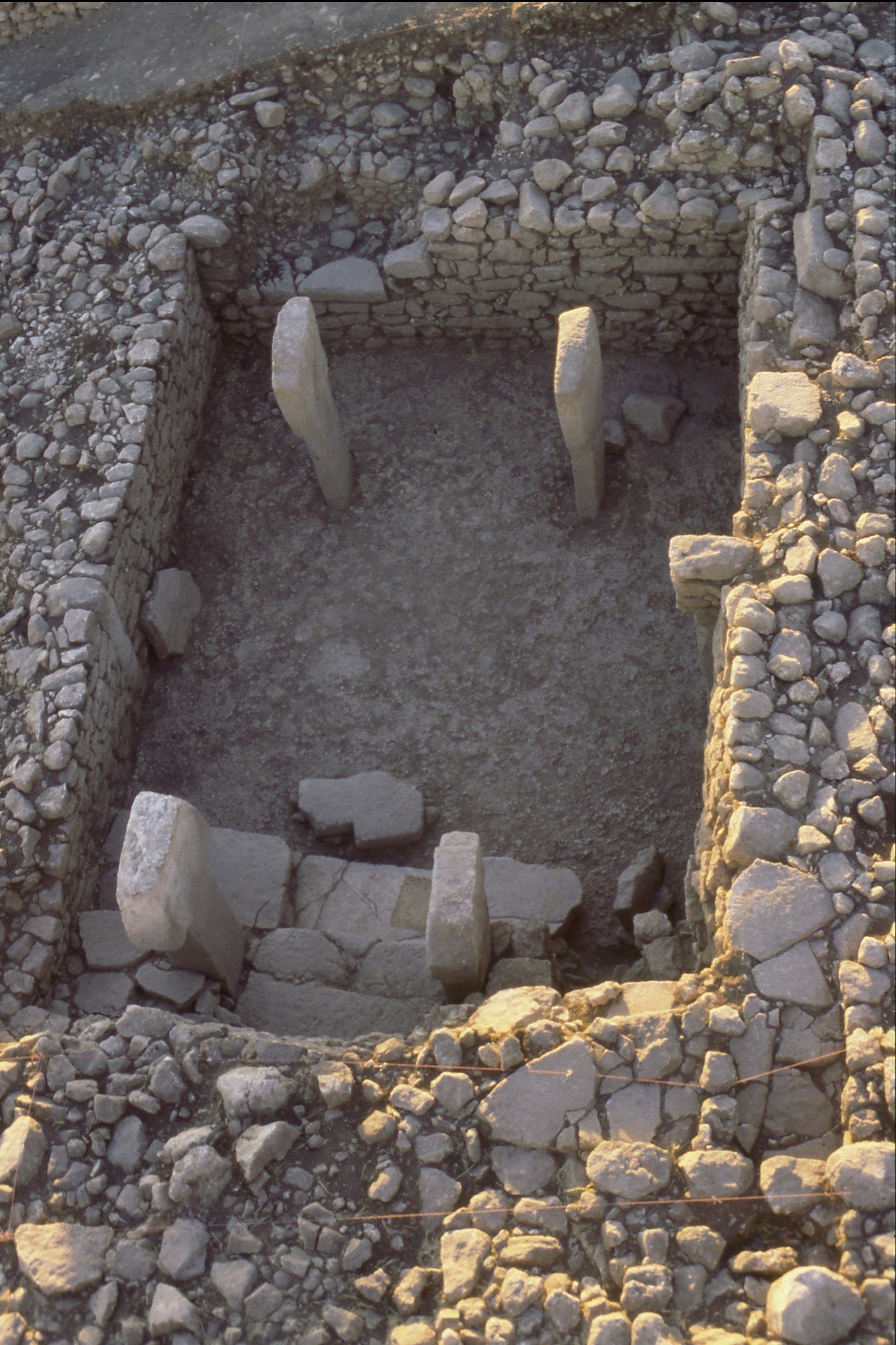
The Lion Pillars Building is a younger Layer II rectangular building at Göbekli Tepe, known mainly through its lion-pillar label and associated lion-relief and stone-slab evidence.
Why it matters
- The Lion Pillars Building is named in institutional Göbekli Tepe source material.
- It is associated with the younger Layer II.
- Layer II is characterized by smaller rectangular buildings, contrasting with the older monumental round/oval enclosures.
- The Enclosure H source refers to the Lion Pillars Building as a younger Layer II rectangular building in the main excavation area.
- A formal publication reports a naked female engraving on a stone slab between the so-called lions' pillars, while cautioning that it was likely not original decoration.
- The Lion Pillars Building is a younger Layer II rectangular building at Göbekli Tepe, known mainly through its lion-pillar label and associated lion-relief and stone-slab evidence.
What to notice first
- younger Layer II context
- rectangular-building association
- smaller T-pillar horizon
- lion-pillar name
- female stone-slab/graffito context that should be handled separately
- Rectangular Building
- Lion Imagery
- Related Slab
How to read it
- Younger Layer II: The Lion Pillars Building belongs to Göbekli Tepe's younger Layer II, the horizon of smaller rectangular buildings.
- Rectangular Building: It helps balance the Göbekli story by showing that the site includes later rectangular buildings, not only the famous round enclosures.
- Lion Imagery: The building's name points to lion imagery, but individual pillar records should stay cautious until primary figure support is recovered.
- Related Slab: A female engraving reported between the lions' pillars should be treated as a related research object, likely later rather than original decoration.
Spatial details
- younger Layer II context
- rectangular-building association
- smaller T-pillar horizon
- lion-pillar name
- female stone-slab/graffito context that should be handled separately
Important objects
The Lion Pillars Building belongs to Göbekli Tepe's younger Layer II, the horizon of smaller rectangular buildings.
It helps balance the Göbekli story by showing that the site includes later rectangular buildings, not only the famous round enclosures.
The building's name points to lion imagery, but individual pillar records should stay cautious until primary figure support is recovered.
A female engraving reported between the lions' pillars should be treated as a related research object, likely later rather than original decoration.
Research layer limits
- Use reported wording where exact pillar counts, animal identifications, or construction phases remain open.
- Do not turn layout, imagery, or fill evidence into one settled ritual interpretation.
- The dataset does not yet have a full source-normalized plan, dimensions, entrance, floor, or excavation-state profile for the building.
- Pillar 1 and Pillar 2 should not yet be treated as fully canonical public pillar pages.
- The female slab should not be framed as a confirmed original decoration, goddess image, or fertility cult claim.
- The lion-pillar label should not be expanded into a complete symbolic interpretation without stronger source support.
- Big-cat comparisons should not be treated as proof that every similar animal is a lion.