Small finds, big site
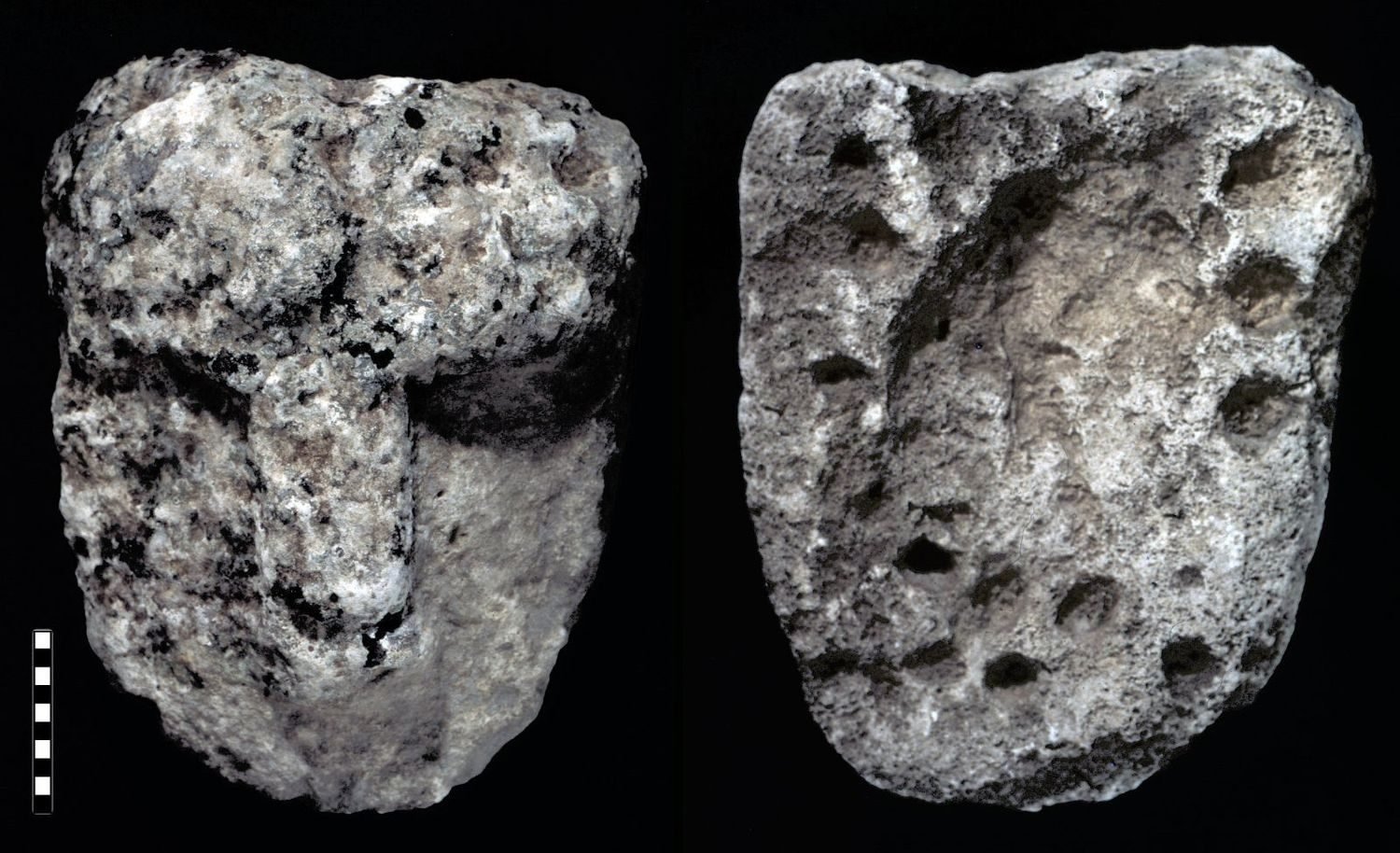
Göbekli Tepe is defined by its monumentality and its rich imagery — but it also produces small portable objects. In a note first published in Neo-Lithics and shared on the DAI's Tepe Telegrams, Oliver Dietrich and Klaus Schmidt described a figurine that didn't fit the known types: a new form to add to the site's catalogue of human and animal representations.
Why the small things matter
Figurines are handled, carried, and sometimes deliberately deposited — a different register from the fixed pillars. Each new type widens the range of how these people represented themselves and their world, and reminds us that Göbekli Tepe was a place of intimate objects as well as giant stones.
What the figure shows
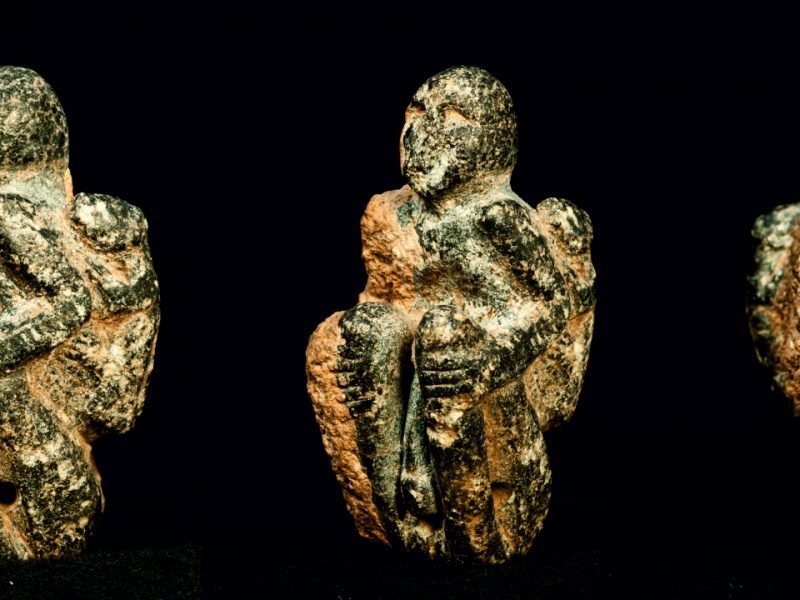
The piece that prompted Dietrich and Schmidt's note is a seated, ithyphallic person grasping their own legs, with a small quadruped clinging to one shoulder — a human-and-animal pairing that echoes, at pocket scale, the way animals cling to and move across the great pillars. It is that combination, in a portable object, that marked it out as a form not already in the catalogue.
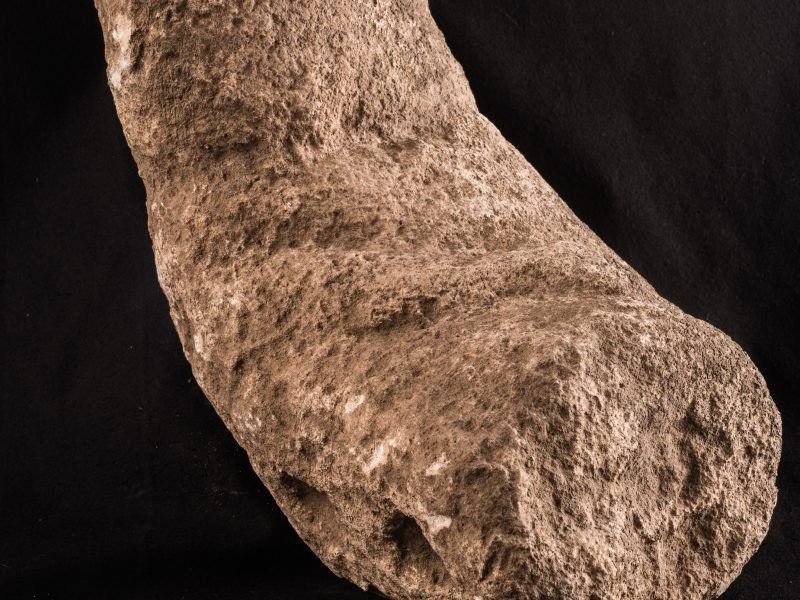
Placed beside the site's other seated figures and carved heads, it belongs to a growing inventory of human imagery at Göbekli Tepe that is separate from the T-pillars — objects meant to be held rather than raised.
A different register from the pillars
Göbekli Tepe is defined by its monumentality and its rich imagery, but the site also produces small portable objects — the kind of thing that is handled, carried and sometimes deliberately deposited, a very different register from the fixed T-pillars. In a note first published in Neo-Lithics and shared on the DAI's Tepe Telegrams, Oliver Dietrich and the late Klaus Schmidt flagged a figurine that did not fit the types already on record.
Small finds like this widen the picture. Each new form adds to a growing inventory of human imagery at Göbekli Tepe that stands apart from the great pillars — objects meant to be held rather than raised, and to be understood alongside the site's seated figures and carved heads.
The figure, and what it echoes
The piece that prompted the note is a seated, ithyphallic person grasping their own legs, with a small quadruped clinging to one shoulder. It is that combination — a human and an animal paired in a single portable object — that marked it out as something not already in the catalogue. The motif echoes, at pocket scale, the way animals cling to and move across the monumental pillars.
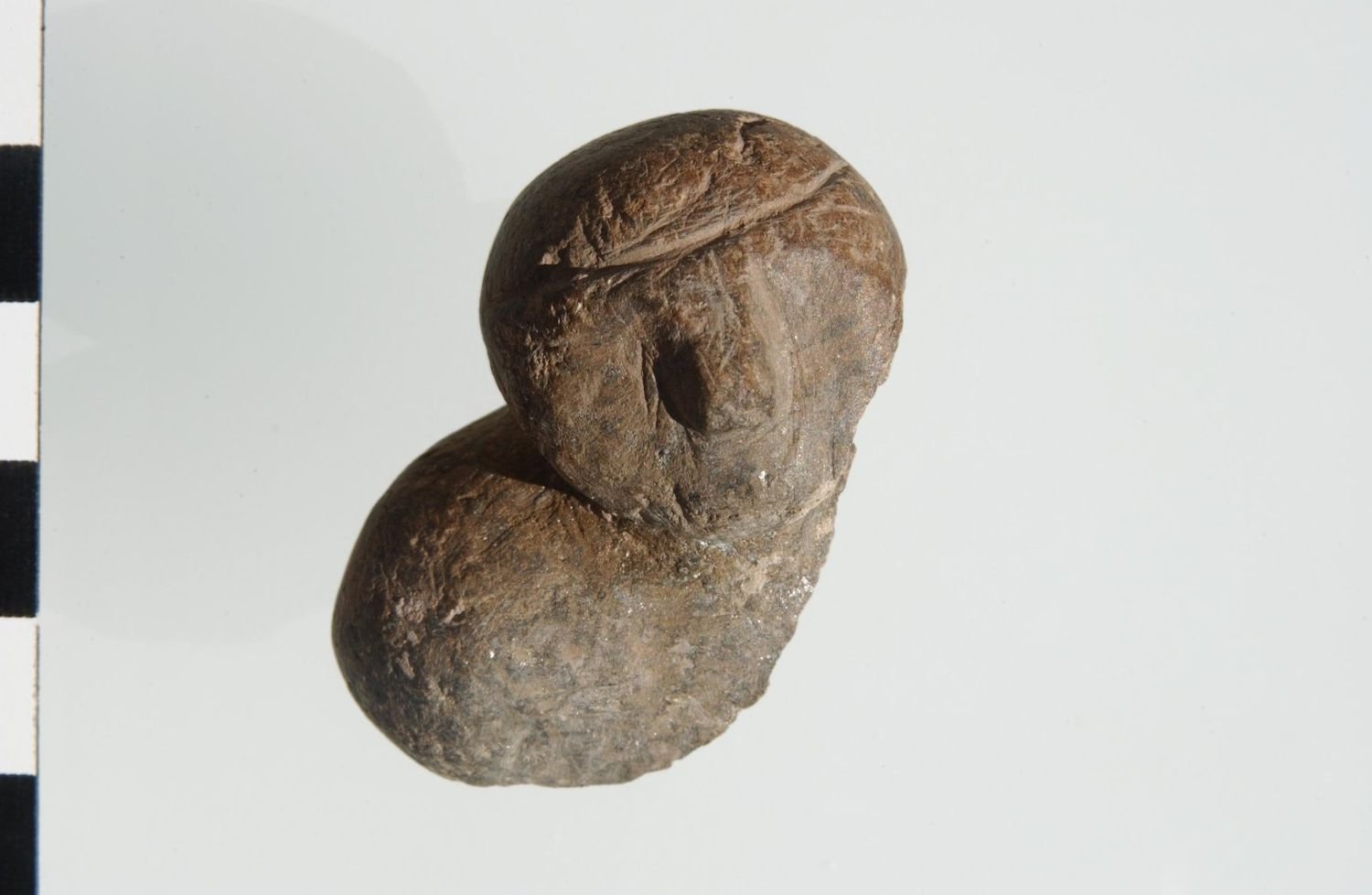
How far the type extends is an open question. This was a short note flagging a new form, not a full typological study, so whether scattered pieces — such as a head-and-shoulder fragment found on the surface of the tell in 2002 — truly belong to it stays unsettled. Defining a 'type' from a small number of objects is provisional by nature, and the figure's own function and meaning are not recoverable from it.
Each new type of figurine widens the small but growing catalogue of portable art from Göbekli Tepe, and hints at how much more may still lie in the ground.
What is uncertain
This is a short note flagging a new type, not a full typological study — so how widespread the form is, and whether scattered fragments (such as the surface find of 2002) truly belong to it, are open questions rather than settled classifications. Defining a 'type' from a small number of pieces is provisional by nature.
The figurine's function and meaning are unknown. Read as portable, it may have been carried, deposited or displayed; the human-with-animal motif invites comparison to the pillars, but that link is interpretive, and the object's own purpose is not recoverable from it.
Common questions
What is the new Göbekli Tepe figurine? A small object described by Oliver Dietrich and Klaus Schmidt as a new type: a seated, ithyphallic person grasping their own legs, with a small quadruped clinging to one shoulder.
Why does a small figurine matter at a site of giant stones? Figurines are handled, carried and sometimes deliberately deposited — a different register from the fixed pillars. Each new type widens the range of how these people represented themselves and their world.
Do we know what the figurine was for? No. Its function and meaning are unknown; read as portable it may have been carried, deposited or displayed, and the human-with-animal motif invites comparison to the pillars, but that link is interpretive.
Key takeaways
- Beyond its monuments, Göbekli Tepe keeps producing small portable objects — including a figurine type that did not fit the known forms.
- Oliver Dietrich and Klaus Schmidt described a seated, ithyphallic figure grasping its own legs, with a small quadruped clinging to one shoulder.
- That human-and-animal pairing echoes, at pocket scale, the way animals cling to and move across the great pillars.
- The piece belongs to a growing inventory of human imagery meant to be held rather than raised, separate from the fixed T-pillars.
Sources
- DAI Tepe Telegrams — 'A Short Note on a New Figurine Type from Göbekli Tepe'
- DAI Tepe Telegrams — Frequently Asked Questions (background)
This article is written from the primary literature and excavators' reports cited above. Interpretations are attributed; uncertainties are stated in the text.