Sayburç Object Profile

Three Human-Remain Clusters

Three clusters of human remains are reported in Sayburç's southern domestic area.

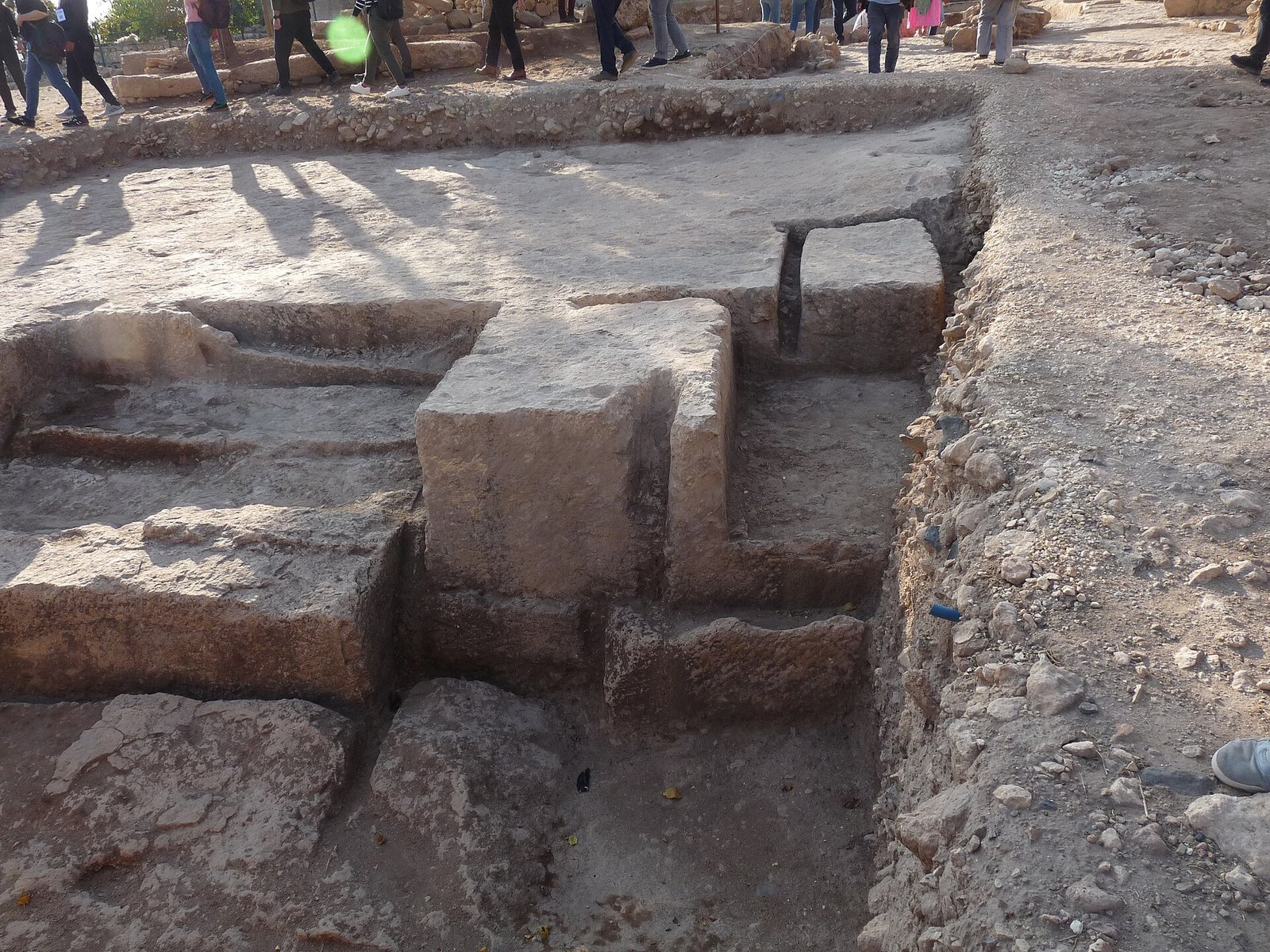
Three Human-Remain Clusters visual reference
Visual reference for orientation. Use source images only when rights are clear.

Quick Facts

Site
Sayburç
Structure
Secondary burial and body-processing contexts
Type
burial evidence group

What We Know

The published record describes three human-remain clusters within domestic structures in the southern region. The exact cluster-by-cluster positions still need more detail.

Main Details

  • Three human-remain clusters
  • Southern region
  • Within domestic structures
  • Recovered bones are described as secondary burials
  • Burning is reported
  • Cluster-by-cluster positions are not yet separated
  • Exact structures and findspots remain unresolved

Parent Context

  • Sayburç
  • Secondary burial and body-processing contexts
  • Three Human-Remain Clusters
  • Three Human-Remain Clusters belongs to Secondary burial and body-processing contexts at Sayburç.

Public Reading Path

  • Three clusters of human remains are reported in Sayburç's southern domestic area.
  • The published record describes three human-remain clusters within domestic structures in the southern region. The exact cluster-by-cluster positions still need more detail.
  • Three Human-Remain Clusters should be read as reported Sayburç evidence first, with scene, domestic, structure, or burial interpretation kept separate from description.
  • Three Human-Remain Clusters should be read as reported evidence first, then compared with the parent structure page.

Physical Evidence

  • Three human-remain clusters
  • Southern region
  • Within domestic structures
  • Recovered bones are described as secondary burials
  • Burning is reported
  • Cluster-by-cluster positions are not yet separated
  • Exact structures and findspots remain unresolved

Motifs And Feature Groups

  • burial evidence group
  • Sayburç evidence group

What To Be Careful About

  • Use reported wording where exact locus, phase, function, or 2025 metadata remain open.
  • Do not assign ritual, identity, contents, liquid type, exchange, or status meanings without source support.
  • Do not reduce the relief, domestic features, structures, or burial evidence to one settled myth or ritual meaning.
  • Keep depiction, placement, body treatment, and interpretation separate.

Source Trail

  • Özdoğan 2024, p. 10

Open Questions

  • Which exact feature, figure, or locus should control future interpretation?

Evidence Review

  • Sayburç research-grade core, structure matrix, relief dossier, or burial matrix controls the deeper review layer.
  • Detailed evidence notes remain available for deeper review.

Object Evidence

What Is Secure

  • The published record describes three human-remain clusters within domestic structures in the southern region. The exact cluster-by-cluster positions still need more detail.
  • Three clusters of human remains are reported in Sayburç's southern domestic area.
  • Three human-remain clusters
  • Southern region

Source Trail

  • Özdoğan 2024, p. 10
  • Site evidence notes

Boundaries

  • Use reported wording where exact locus, phase, function, or 2025 metadata remain open.
  • Do not assign ritual, identity, contents, liquid type, exchange, or status meanings without source support.
  • Do not reduce the relief, domestic features, structures, or burial evidence to one settled myth or ritual meaning.
  • Keep depiction, placement, body treatment, and interpretation separate.

Next Evidence Needed

  • Which exact feature, figure, or locus should control future interpretation?
  • Sayburç research-grade core, structure matrix, relief dossier, or burial matrix controls the deeper review layer.
  • Detailed evidence notes remain available for deeper review.
  • Future updates should add catalogue numbers, exact loci, image rights, and direct evidence locators when publicly supportable.

Open the parent structure

Sources

  • Özdoğan 2024, p. 10

Back to Secondary burial and body-processing contexts