Göbekli Tepe Object Profile

The Fox and Arm-Bend Pillar: Building F Pillar 70

Pillar 70 is a useful Building F object because it connects fox imagery with the human-form language of T-shaped pillars.

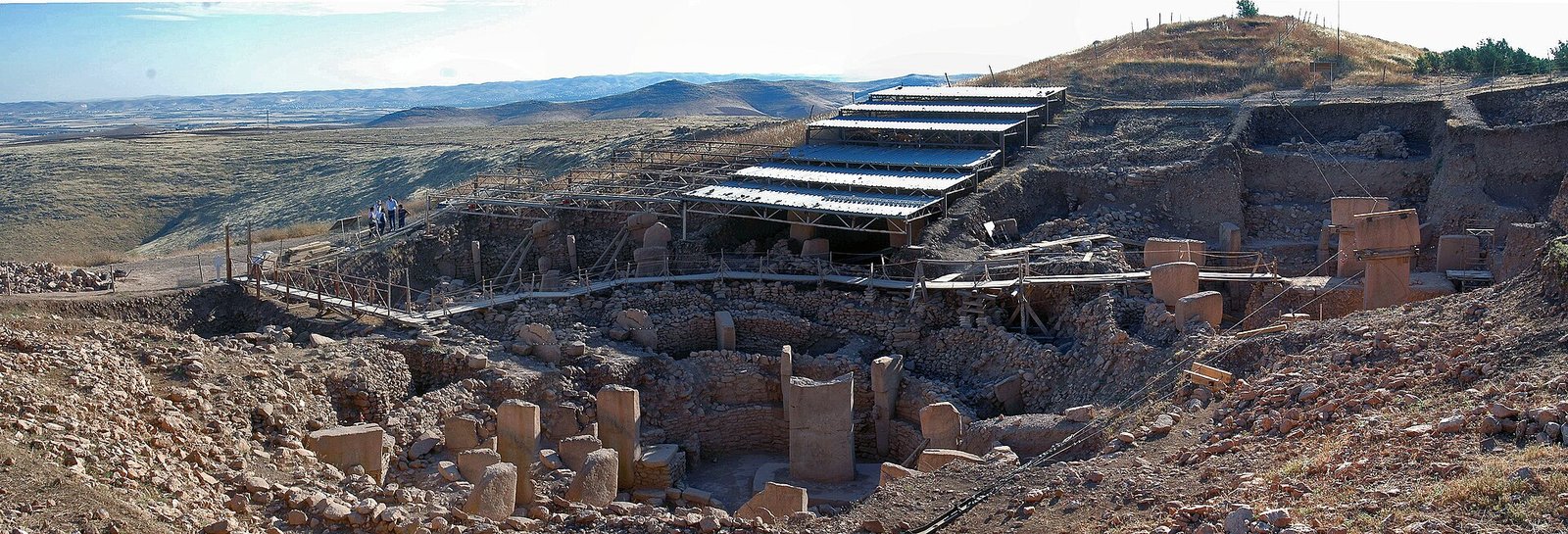
The Fox and Arm-Bend Pillar: Building F Pillar 70 visual reference
Visual reference for orientation. Use source images only when rights are clear.

Quick Facts

Site
Göbekli Tepe
Structure
Building F
Type
pillar / relief cluster

What We Know

Pillar 70 is the northern central pillar of Building F. It is damaged, with its T-head lost, but parts of the shaft were reconstructed from fragments. The pillar stands in the lime plaster floor and preserves relief bands, arms, hands, and a fox in the bend of the left arm. A flat stone slab on a pedestal stood in front of it.

Main Details

  • Pillar 70 is the northern central pillar of Building F. It is damaged, with its T-head lost, but parts of the shaft were reconstructed from fragments. The pillar stands in the lime plaster floor and preserves relief bands, arms, hands, and a fox in the bend of the left arm. A flat stone slab on a pedestal stood in front of it.
  • Pillar 70 is northern central pillar
  • relief bands, arms, hands, and fox are present
  • fox head is not preserved
  • flat stone slab and pedestal stand in front
  • northern central T-pillar of Building F
  • severely damaged
  • shaft partly reconstructed from fragments
  • stands in lime plaster floor
  • relief bands on shaft
  • arms rendered along the broadsides
  • hands converge at the front

Parent Context

  • A flat stone slab on a 45 cm high earth mortar pedestal stood on the floor in front of the pillar.
  • Pillar 70 is Building F's northern central pillar.
  • The pillar is damaged and the fox head is no longer preserved.

Public Reading Path

  • Pillar 70 is the northern central pillar of Building F. It is damaged, with its T-head lost, but parts of the shaft were reconstructed from fragments. The pillar stands in the lime plaster floor and preserves relief bands, arms, hands, and a fox in the bend of the left arm. A flat stone slab on a pedestal stood in front of it.
  • Pillar 70 is the clearest public anchor for Building F. It is the northern central pillar, standing in the building's lime plaster floor, and although it is heavily damaged and its T-head is missing, its preserved reliefs are highly informative. The pillar carries arms along the broad sides, hands converging at the front, relief bands, and a fox whose head is no longer preserved in the bend of the left arm. In front of the pillar, excavators recorded a flat stone slab placed on a 45 cm high earth mortar pedestal. Public wording should make Pillar 70 the point where Building F becomes legible: a central pillar with body features, animal imagery, and a floor installation, while broader symbolic comparisons remain in review.
  • Pillar 70 is Building F's northern central pillar.
  • It preserves arms, hands, relief bands, and a fox in the arm bend.
  • A flat stone slab on a pedestal stood in front of it.
  • The pillar is damaged and the fox head is no longer preserved.

Physical Evidence

  • Pillar 70 is northern central pillar
  • relief bands, arms, hands, and fox are present
  • fox head is not preserved
  • flat stone slab and pedestal stand in front
  • northern central T-pillar of Building F
  • severely damaged
  • T-head lost
  • shaft partly reconstructed from fragments
  • stands in lime plaster floor
  • relief bands on shaft

Motifs And Feature Groups

  • central pillar imagery
  • anthropomorphic pillars
  • animal imagery
  • image reworking
  • public versus research interpretation
  • relief bands, arms, hands, and fox are present
  • fox head is not preserved
  • T-head lost
  • relief bands on shaft
  • arms rendered along the broadsides

What To Be Careful About

  • Use reported wording where exact locus, phase, function, species, image rights, or restoration details remain open.
  • Keep object description, placement, motif identification, and interpretation separate unless the source explicitly joins them.
  • The missing fox tail may relate to masking by the elbow or to image sequence, but the source favors similar relief depth over a later-execution explanation.
  • The slab/pedestal may have supported lighting or important items, but function is not settled.
  • Do not claim: Pillar 70 proves a fox deity.
  • The fox-in-arm-bend motif has a decoded meaning.
  • The slab/pedestal function is known.
  • Do not claim: The missing fox head or tail proves deliberate erasure.
  • Pillar 70 can be interpreted without Building F's reworking and disturbance cautions.

Source Trail

  • GT-BLDG-F-SRC-001

Open Questions

  • Figure rights required before public visual use
  • Slab/pedestal function must remain unresolved
  • Pillar 18 comparison should stay attributed
  • Which exact source image or excavation figure should be used when public image rights are cleared?

Evidence Review

  • full source-card IDs
  • figure locator
  • relief-depth discussion
  • central-pillar motif comparison
  • image-rights review
  • Figure rights required before public visual use
  • Slab/pedestal function must remain unresolved
  • Pillar 18 comparison should stay attributed

Object Evidence

What Is Secure

  • Pillar 70 is the northern central pillar of Building F. It is damaged, with its T-head lost, but parts of the shaft were reconstructed from fragments. The pillar stands in the lime plaster floor and preserves relief bands, arms, hands, and a fox in the bend of the left arm. A flat stone slab on a pedestal stood in front of it.
  • Pillar 70 is a useful Building F object because it connects fox imagery with the human-form language of T-shaped pillars.
  • Pillar 70 is northern central pillar
  • relief bands, arms, hands, and fox are present

Source Trail

  • GT-BLDG-F-SRC-001
  • Site evidence notes

Boundaries

  • Use reported wording where exact locus, phase, function, species, image rights, or restoration details remain open.
  • Keep object description, placement, motif identification, and interpretation separate unless the source explicitly joins them.
  • The missing fox tail may relate to masking by the elbow or to image sequence, but the source favors similar relief depth over a later-execution explanation.
  • The slab/pedestal may have supported lighting or important items, but function is not settled.

Next Evidence Needed

  • Figure rights required before public visual use
  • Slab/pedestal function must remain unresolved
  • Pillar 18 comparison should stay attributed
  • Which exact source image or excavation figure should be used when public image rights are cleared?

Open the parent structure

Sources

  • GT-BLDG-F-SRC-001

Back to Building F