Short answer
The people who built these monuments were hunter-gatherers, not farmers — they lived on wild gazelle, aurochs, wild boar and birds, and on wild cereals, pistachio and almond, with no domesticated plants or animals when the great enclosures were raised.
That single fact is why the sites matter: monumental building came before farming. Feeding the crowds who gathered to build may itself have pushed communities to manage wild cereals more intensively — a nudge, over generations, toward the first farms nearby on Karacadağ.
Hunters and gatherers, not farmers
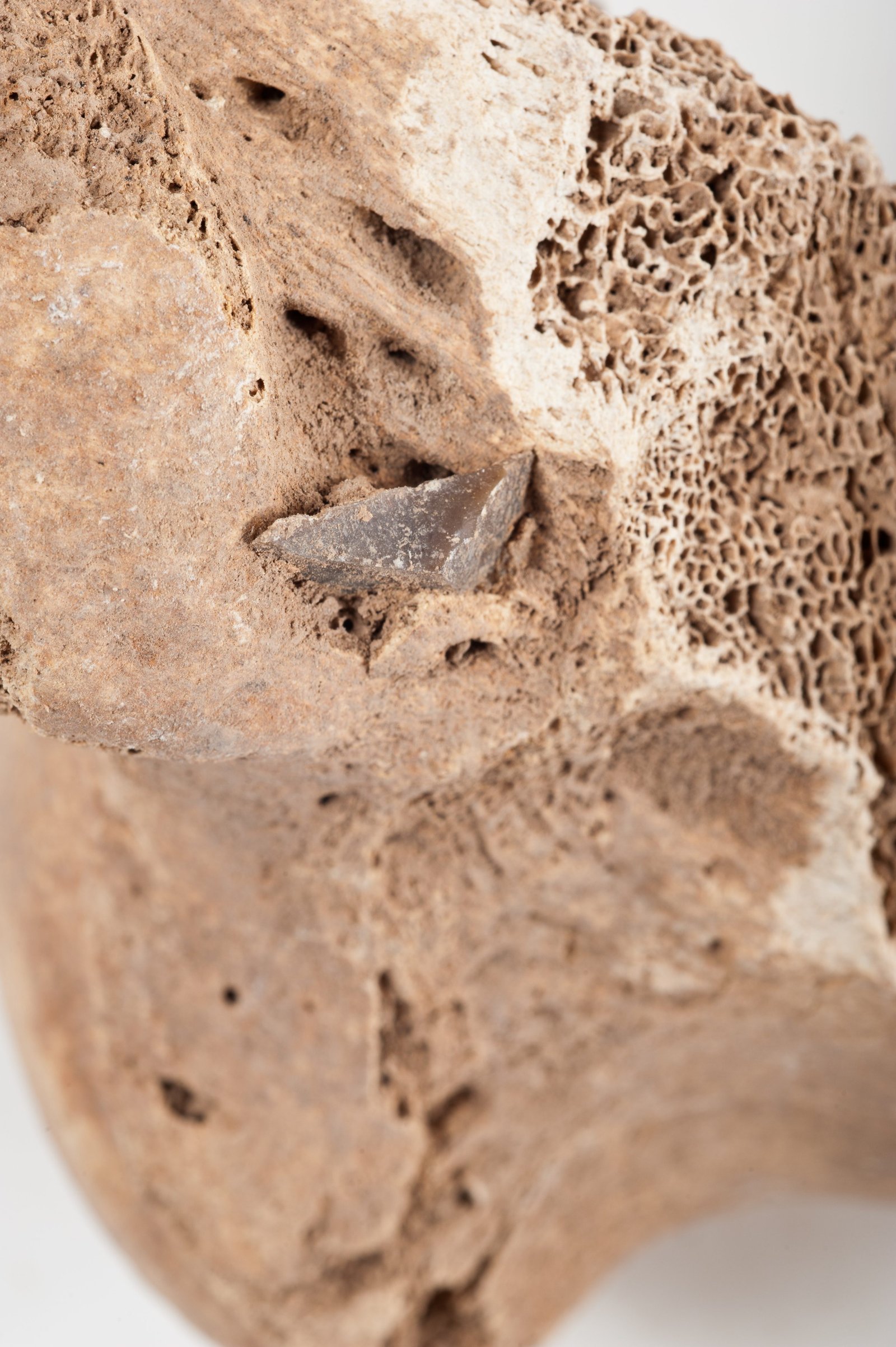
At the time the great enclosures were raised, there were no domesticated plants or animals here. The animal bones from Göbekli Tepe are wild: gazelle above all, along with wild cattle (aurochs), wild ass, wild boar, wild sheep and goat, and many birds. The plant remains are wild too — including wild cereals, pistachio, and almond. These were skilled foragers living off a rich landscape.
That single fact is what makes the site so important: monumental building came before farming, not after.
The menu and the bestiary don't match
One of the most telling patterns in the whole region is a mismatch: the animals people ate are not the animals they carved. The bones are dominated by gazelle and other ordinary prey. The pillars are dominated by foxes, snakes, boar, scorpions and vultures — wild and dangerous creatures, many of them rarely eaten.
So the carvings are not a record of diet. Subsistence and symbolism ran on separate tracks: one kept people alive, the other meant something. Reading the reliefs as a menu — or as evidence of what was hunted — gets the site backwards.
Feeding the builders
Raising multi-ton pillars takes many hands, and many hands need feeding. Göbekli Tepe has produced enormous quantities of animal bone and large numbers of grinding stones and stone vessels — the equipment of processing food at scale. Dietrich and colleagues (2012) argued that big communal feasts were central to what happened here: gathering people to build and to eat may have been the whole point. They even raised the possibility of large-scale cereal processing and fermentation — an early step toward brewing — though that remains debated.
The logic is powerful: to feed recurring gatherings on this scale, communities may have been pushed to manage wild cereals ever more intensively — nudging them, over generations, toward cultivation.
Killing at scale: the gazelle hunts
New work is showing that the hunting itself may have been organised on a startling scale. Şahin and Massa (2025), studying animal bone from the Şanlıurfa sites, argue for mass hunting at the dawn of sedentism — large numbers of gazelle taken in single coordinated events, most likely by driving whole herds into traps or kill-zones.
That reframes the diet. A mass kill is not a quiet afternoon's foraging; it is a logistical operation that produces a glut of meat all at once — far more than a small band could eat before it spoiled. Meat on that scale almost demands a crowd to consume it, which loops straight back into the feasting argument: the hunt and the gathering may have been two halves of the same event.
Grinding, storing, and the machinery of a glut
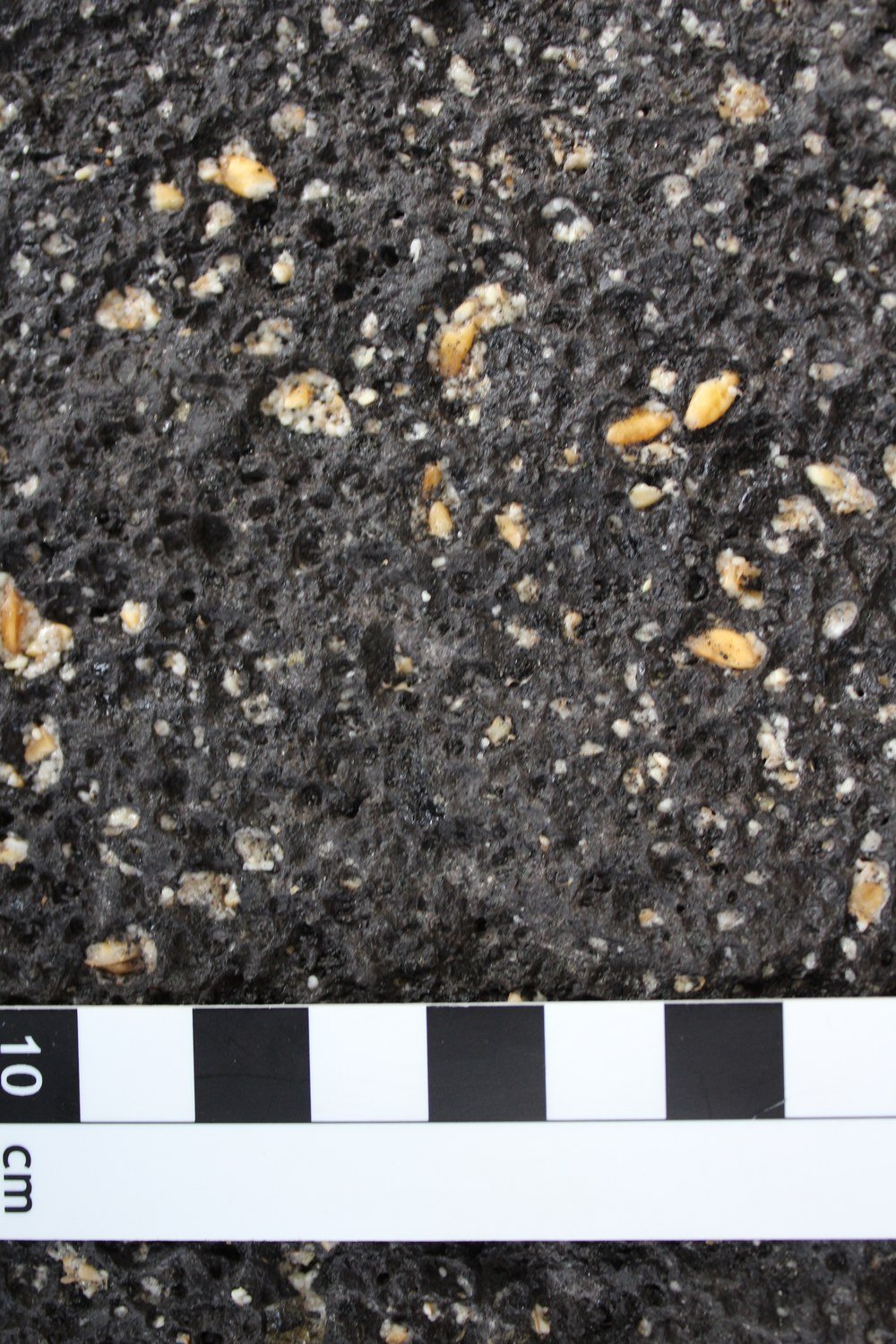
Bones are only half the evidence. The Taş Tepeler sites are heavy with the equipment of processing: grinding slabs, handstones, mortars and pestles, and stone vessels, some very large. This is the toolkit for turning wild cereals and nuts into flour, porridge and stored food at volume.
That equipment matters because processing and storage are the quiet technologies that make everything else possible. Being able to grind, cook and hold a surplus is what lets a community feed a gathering that lasts weeks, or carry food across a lean season. It is also, over generations, the habit of mind out of which cultivation grows — you tend more carefully the plants you have already learned to harvest, process and keep.
The road to farming
This region is central to the origins of agriculture. The wild ancestor of einkorn wheat grows on the slopes of nearby Karacadağ, and genetic studies have linked domesticated einkorn to this very area. Taş Tepeler sits at the hinge: hunter-gatherers gathering, processing, and feasting on wild cereals in the same centuries and the same landscape where those cereals were first domesticated.
So the monuments and the first farms are not two separate stories. They are one — and the appetite of the gathering places may have helped set the table for the Neolithic revolution.
Common questions
What did the people of Göbekli Tepe eat?
Wild foods: gazelle, aurochs, wild ass, boar, wild sheep and goat, birds, plus wild cereals, pistachio and almond. They were hunter-gatherers, not farmers.
Did they farm at Göbekli Tepe?
Not when the monuments were built — there were no domesticated plants or animals then. But the region is where einkorn wheat was first domesticated, and intensive use of wild cereals may have helped lead there.
Was there feasting at Göbekli Tepe?
Very likely. Huge quantities of animal bone and food-processing equipment point to large communal feasts, argued to be central to why people gathered (Dietrich et al. 2012).
Sources & further reading4 references
- Dietrich, O., Heun, M., Notroff, J., Schmidt, K. & Zarnkow, M. (2012). The role of cult and feasting in the emergence of Neolithic communities. New evidence from Göbekli Tepe, south-eastern Turkey. Antiquity 86(333): 674–695.
- Peters, J. & Schmidt, K. (2004). Animals in the symbolic world of Pre-Pottery Neolithic Göbekli Tepe, south-eastern Turkey: a preliminary assessment. Anthropozoologica 39(1): 179–218.
- Şahin, F. & Massa, M. (2025). Mass-hunting in South-west Asia at the dawn of sedentism: new evidence from Şanlıurfa, south-east Türkiye. Antiquity.
- Schmidt, K. (2012). Göbekli Tepe: A Stone Age Sanctuary in South-Eastern Anatolia. Berlin: ex oriente. The foundational monograph by the site's first excavator.
Full bibliography: the Taş Tepeler reference library →