The find
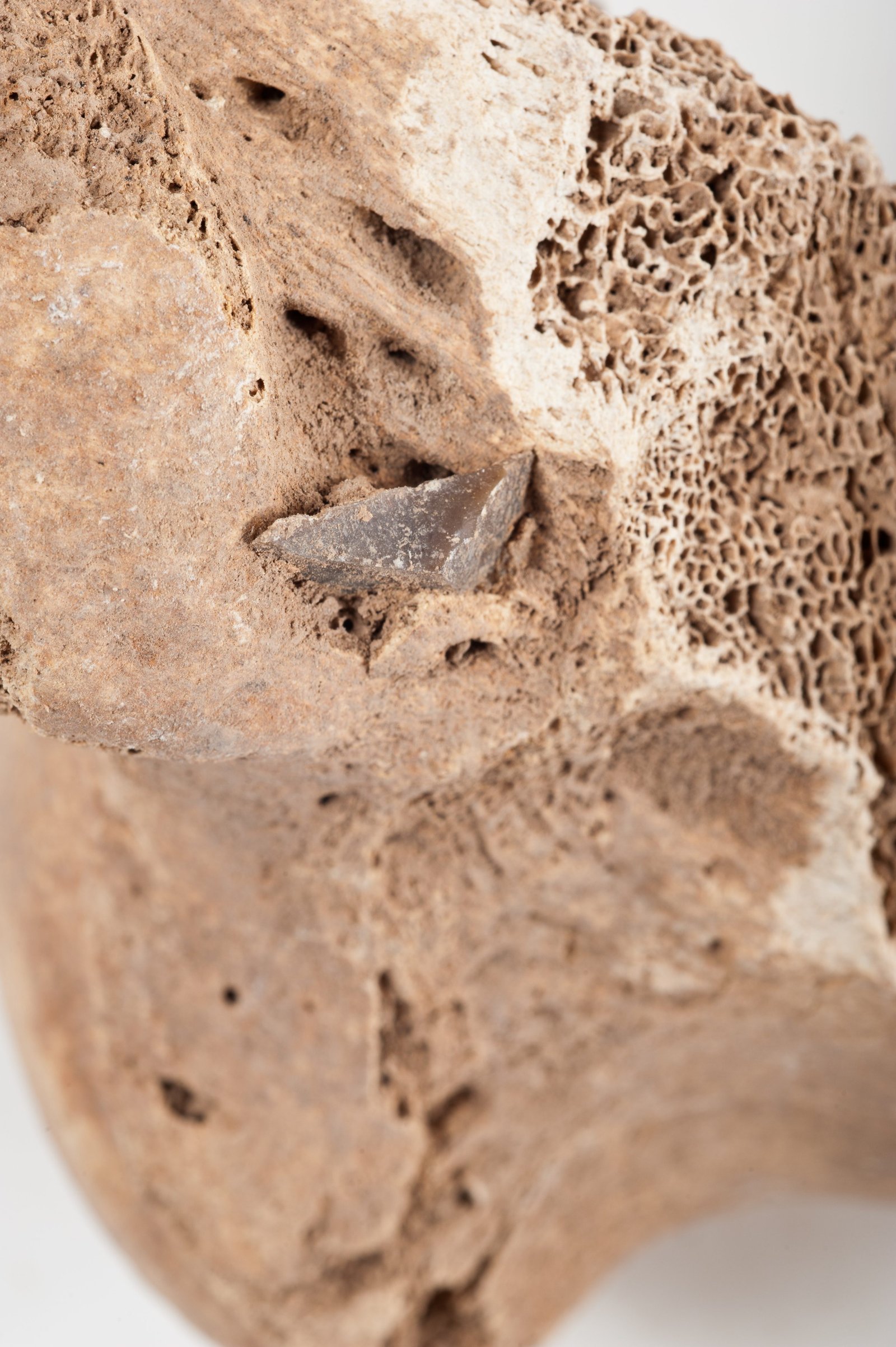
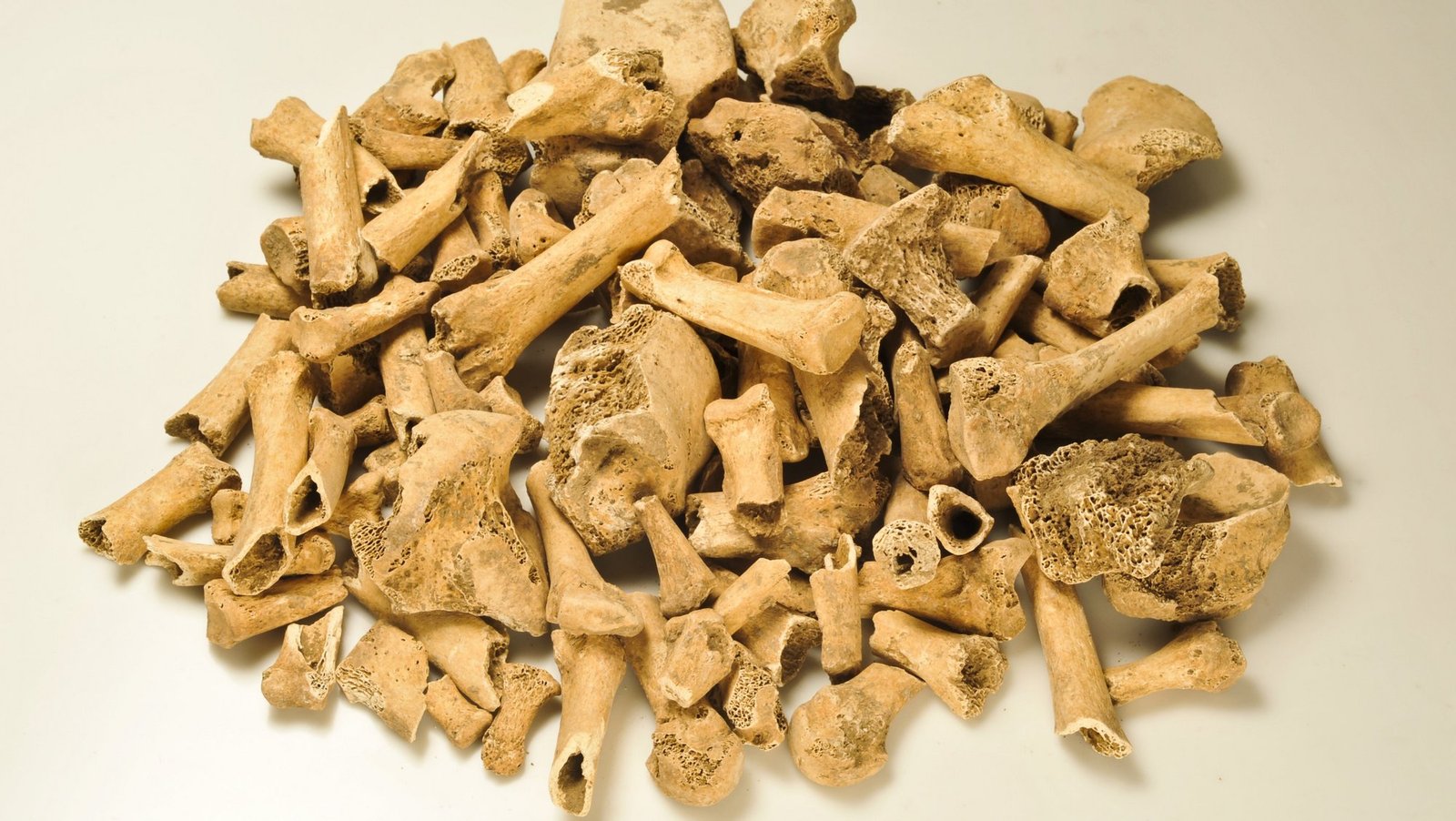
Most bones from a dig tell a slow story of diet and butchery. This one tells a fast one. An aurochs — wild cattle — bone excavated at Göbekli Tepe still carries a fragment of a flint projectile point lodged in it: the tip of a weapon that struck the animal around 12,000 years ago and snapped off in the bone.
Why it's special
The bone closed around the embedded point, sealing the moment. It is direct, physical evidence of how these people hunted the huge, dangerous aurochs — the very animal they carved onto their pillars. The hunters who raised the stones ate, and risked, the beasts they depicted.
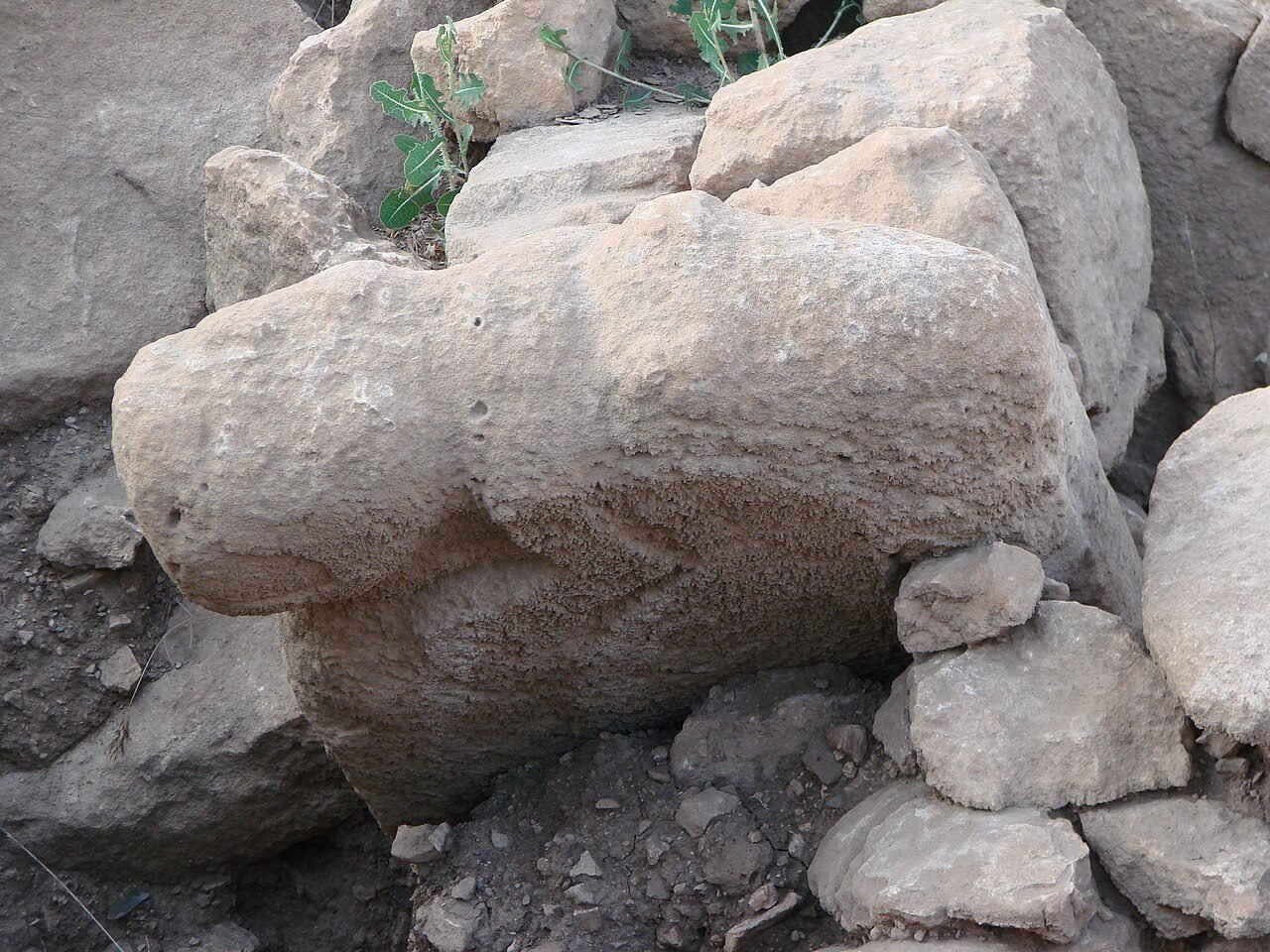
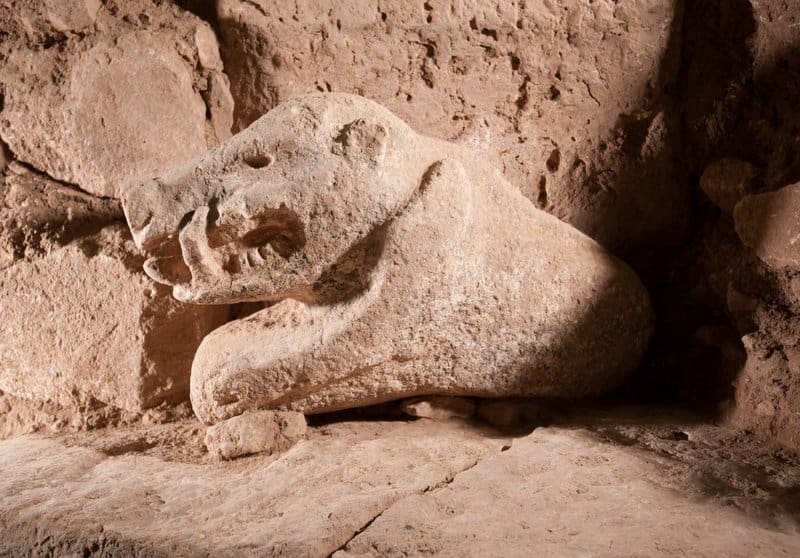
Guérin Nicolas, Göbekli Tepe Animal Entrance, CC BY-SA 3.0, via Wikimedia Commons.
The bigger picture
Göbekli Tepe's builders were hunter-gatherers, not farmers. Finds like this ground the soaring symbolism of the site in the hard reality of the hunt — the aurochs on the wall and the aurochs on the plate were the same creature.
The moment sealed in bone
Most bones from an excavation tell a slow, cumulative story. They are read in bulk — counts of species, patterns of butchery, evidence of diet across years — and any single fragment matters mainly as one more data point. This aurochs bone is different because it holds a single event: a weapon struck the animal, its flint tip broke off in the bone, and the bone grew back around it.
What makes the find so vivid is the opposite of survival: the bone shows no sign of healing. The flint tip lodged and stayed where it struck, and the animal did not live long enough for the bone to begin closing over it — in the excavators' words, the aurochs was 'hunted down' soon after this hit. What we recover is not the whole hunt but its final instant, preserved by the very body it killed.
It is worth being precise about what that instant proves. An un-healed wound tells us the animal was struck and did not recover; it does not, by itself, tell us the aurochs was butchered exactly at Göbekli Tepe — only that its bone reached the site. And the embedded fragment is read as a flint projectile tip: an identification, and the reconstruction of the weapon behind it, drawn from a small piece of stone in bone.
Hunters who carved what they hunted
Göbekli Tepe belongs to the Pre-Pottery Neolithic of southeastern Türkiye, roughly twelve thousand years ago, and its builders were hunter-gatherers rather than farmers. That is easy to forget in front of the great T-pillars, which can make the site feel like the work of a settled temple society. The faunal remains keep the picture honest: these were people who took wild animals, including the huge and dangerous aurochs.
The aurochs is also one of the animals carved onto the pillars themselves, which is what gives this bone its resonance. The creature on the wall and the creature on the plate were the same animal — depicted in stone and, this find shows, struck with a projectile in a real hunt. The soaring symbolism of the enclosures sat directly on top of the hard, risky business of feeding a community.
One bone cannot carry that whole story on its own. It shows that aurochs were hunted with projectiles; it cannot by itself measure how often, with what range of weapons, or how central the aurochs was to the diet. Those larger questions belong to the wider faunal assemblage rather than to this single, striking specimen — but as a window onto one Neolithic hunt, it is hard to beat.
What is uncertain
An un-healed lesion around an embedded point tells you the animal was struck and did not survive long — but it does not, by itself, tell you the kill happened at Göbekli Tepe, only that the bone ended up there. The embedded fragment is read as a flint projectile tip; that identification, and the reconstruction of the weapon behind it, are inference from a small piece of stone in bone.
This is a single, vivid specimen, not a statistic. It shows that aurochs were hunted with projectiles; it cannot by itself measure how often, with what weapons, or how central the aurochs was to the diet — those come from the wider faunal assemblage, not this one bone.
Common questions
What is an aurochs? An aurochs is a wild ox — the large, dangerous wild cattle that Göbekli Tepe's hunter-gatherers both hunted and carved onto their stone pillars.
How do we know the animal was hunted? A fragment of a flint projectile point is lodged in the bone, with no sign of healing around it. That is direct evidence a weapon struck the animal around 12,000 years ago and snapped off inside it.
Does the bone prove the aurochs was killed at Göbekli Tepe? Not on its own. The un-healed wound shows the animal was struck and soon died; the bone was then brought to the site, but the kill itself could have happened nearby.
Key takeaways
- The bone is direct, physical evidence of how these people hunted the huge, dangerous aurochs.
- The aurochs on the wall and the aurochs on the plate were the same creature.
- The un-healed lesion means the animal was struck and did not recover — a hunt that succeeded, though the kill need not have happened at the site itself.
- One vivid specimen shows that aurochs were hunted with projectiles, but it can't measure how often.
Sources
- DAI Tepe Telegrams — 'On the hunt, some 12,000 years ago: an aurochs bone with hunting lesion from Göbekli Tepe'
- Göbekli Tepe — background and further reading
This article is written from the primary literature and excavators' reports cited above. Interpretations are attributed; uncertainties are stated in the text.